
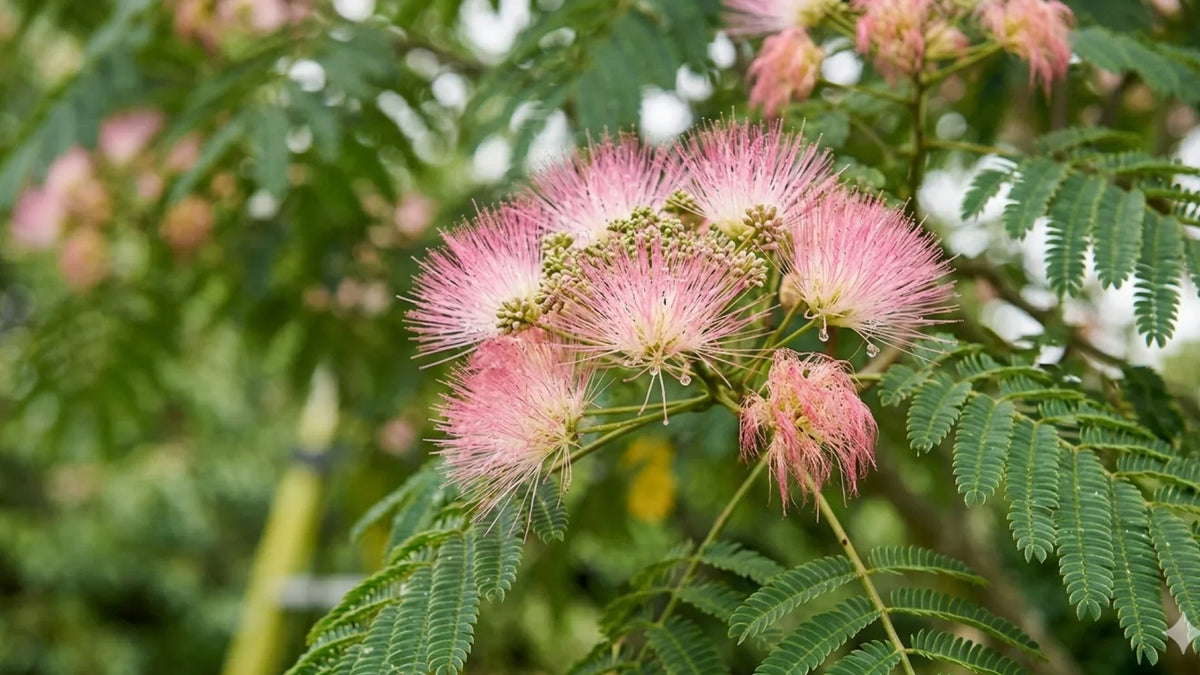
The Persian Silk Tree is a very beautiful tree that is loved for its soft and eye-catching flowers. When it blooms, it is covered with light pink, soft flowers that look almost magical. Its thin, feathery leaves and wide spreading branches give cool shade and make it perfect for gardens and streets. Many people stop to admire its unique and peaceful beauty. It not only looks attractive but also grows well in many climates. In this guide, you will learn what the Persian Silk Tree is, how it grows, and why it is becoming so popular in gardens worldwide.
What Is the Persian Silk Tree?
The Persian Silk Tree, known by its botanical name Albizia julibrissin, is a fast-growing deciduous tree. It sheds its leaves in winter and comes back strong every spring. Most people in the American South know it as the mimosa tree.
Why Plant a Persian Silk Tree in Your Garden?
This tree earns its place in any garden with good looks, fast growth, and real wildlife value.

Ornamental beauty and visual appeal
Few trees put on a show quite like this one. The lacy leaves give it an almost tropical look, and when the pink flowers appear, the whole tree becomes a talking point for anyone who walks by. It grows fast and fills in quickly, so you do not wait years before it starts making an impression. By midsummer it casts good shade, which is a real benefit if you are planting near a patio or seating area. Even in winter, when the leaves are gone, the wide-spreading branches have a nice shape against the sky.
If you love the look of flowering trees, explore our guide on the best flowering trees for any garden.
Wildlife and pollinator benefits
If you want more life in your garden, this tree delivers. The flowers are rich in nectar and bloom over a long season, drawing in hummingbirds, bees, and butterflies from early summer onward. Once the flowers drop, flat seed pods take their place and provide food for birds and small animals through the fall. As a legume, the tree also pulls nitrogen from the air and stores it in its roots, slowly improving the soil quality in your garden without any effort on your part.
How to Grow and Care for Your Persian Silk Tree
With proper sunlight, well-drained soil, and minimal care, this tree grows fast and stays healthy for years.
Ideal climate and hardiness zones
The Persian Silk Tree grows best in regions that fall under USDA zones 6 to 9, which are areas with mild to warm climates. In its hardier forms it can survive temperatures as low as -10 degrees Fahrenheit, though a very cold winter may kill back the top growth. In that case, the roots usually pull through and push out fresh growth once the weather warms up again. If you are in a zone 6 area, look for hardier cultivars to be on the safe side.
Soil, sunlight, and watering needs
This tree is easy-going about soil. Clay, sand, or loam all work fine, and it does not mind whether the ground is slightly acidic or mildly alkaline. What it does not tolerate is poor drainage. If the roots sit in standing water for too long, the tree will struggle. Pick a spot where water drains away naturally after rain.
Sun is the one thing you cannot compromise on. The Persian Silk Tree needs a minimum of six hours of direct sunlight every day. Less than that and it grows thin and weak, and you will not get many flowers. Once the tree is established, usually after its first full growing season, it handles dry spells well and rarely needs extra watering unless there has been no rain for several weeks.
Pruning and Maintenance
The Persian Silk Tree is low-maintenance, it doesn’t need constant cutting, but light yearly pruning keeps it in good shape.

When and how to prune
A light prune once a year is all this tree really needs. Do it in late winter, just before the buds start to break. Take out any branches that are dead, damaged, or rubbing against each other. If you are working with a young tree, try to encourage one main trunk early on by cutting away any competing stems at the base. Any shoots that sprout from the roots should also be removed as soon as you see them, as they take energy away from the main tree.
Common pests and diseases to watch for
The disease you most need to know about is mimosa wilt, caused by a fungus in the soil. It turns the leaves yellow and causes branches to die off one by one. Once a tree has it, there is no saving it. The smartest move is to plant a resistant variety like Charlotte or Tyron, particularly if you live in the Southeast where the disease is most active.
Webworm caterpillars sometimes appear in summer and can strip the leaves off individual branches. It looks bad but usually does not kill a healthy tree. You can pull the webs off by hand or treat with something targeted if the problem keeps coming back.
Is the Persian Silk Tree Invasive?

This is worth knowing before you buy. The Persian Silk Tree seeds itself freely, and in warm, humid climates those seeds can sprout almost anywhere. In parts of the Southeast and in Hawaii it has moved well beyond gardens and into wild areas, taking over roadsides and stream banks where native plants used to grow.
States and regions where it is considered invasive
Georgia, Virginia, and North Carolina have all flagged it as invasive, along with several other southeastern states and Hawaii. Before you plant, check with your local extension office or state agriculture department to see where things stand in your area.
Responsible growing practices
The easiest thing you can do is pick off the seed pods before they dry out and split open. That alone stops most of the spreading. Also think twice about planting near woodland edges, natural areas, or any waterway where seeds could travel downstream and take hold somewhere you did not intend.
Persian Silk Tree Varieties Worth Knowing
These varieties offer different colors, shapes, and strengths. Browse our flowering tree collection to find the perfect match for your garden style or climate.
Summer Chocolate - the purple-leaf cultivar
Summer Chocolate is the one people reach for when they want something really different. The leaves are a deep burgundy-purple rather than green, and that dark color makes the pink flowers pop in a way you just do not see on other trees. If you only have room for one silk tree and you want it to stand out, this is the variety to go with.
Other popular cultivars
Rosea has richer pink flowers and handles cold better than the standard species. Alba goes in the opposite direction with white blooms, which gives a softer, cooler look in the garden. Ishii Weeping grows with drooping branches that suit a smaller yard or a spot near water. For anyone gardening in the Southeast where mimosa wilt is a real concern, Charlotte and Tyron are the two varieties most recommended for disease resistance.
Conclusion
The Persian Silk Tree is a truly eye-catching addition to any garden. With its soft pink flowers, fast growth, and graceful, feathery leaves, it brings both beauty and shade in a short time. It is easy to grow, low-maintenance, and attracts birds, bees, and butterflies, making your garden more lively. However, it’s important to plant it responsibly and manage its spreading nature.
Whether you choose it for its beauty or benefits, this tree can transform your outdoor space. Explore more trees and plants at evergreentrees to find everything you need for a thriving garden.
FAQs
1. How fast does a Persian Silk Tree grow?
The Persian Silk Tree grows very quickly, often reaching several feet per year, making it a great choice for fast shade.
2. Does the Persian Silk Tree need a lot of water?
No, once established, it becomes drought-tolerant and usually needs watering only during long dry periods without rain.
3. When does the Persian Silk Tree bloom?
It typically blooms in early to midsummer, producing soft pink, fluffy flowers that last for several weeks.
4. Is the Persian Silk Tree easy to maintain?
Yes, it is low-maintenance and only needs light pruning once a year to remove dead or weak branches.
5. Can the Persian Silk Tree grow in small gardens?
Yes, but it needs space for spreading branches, so choose compact varieties if you have a smaller garden area.
