
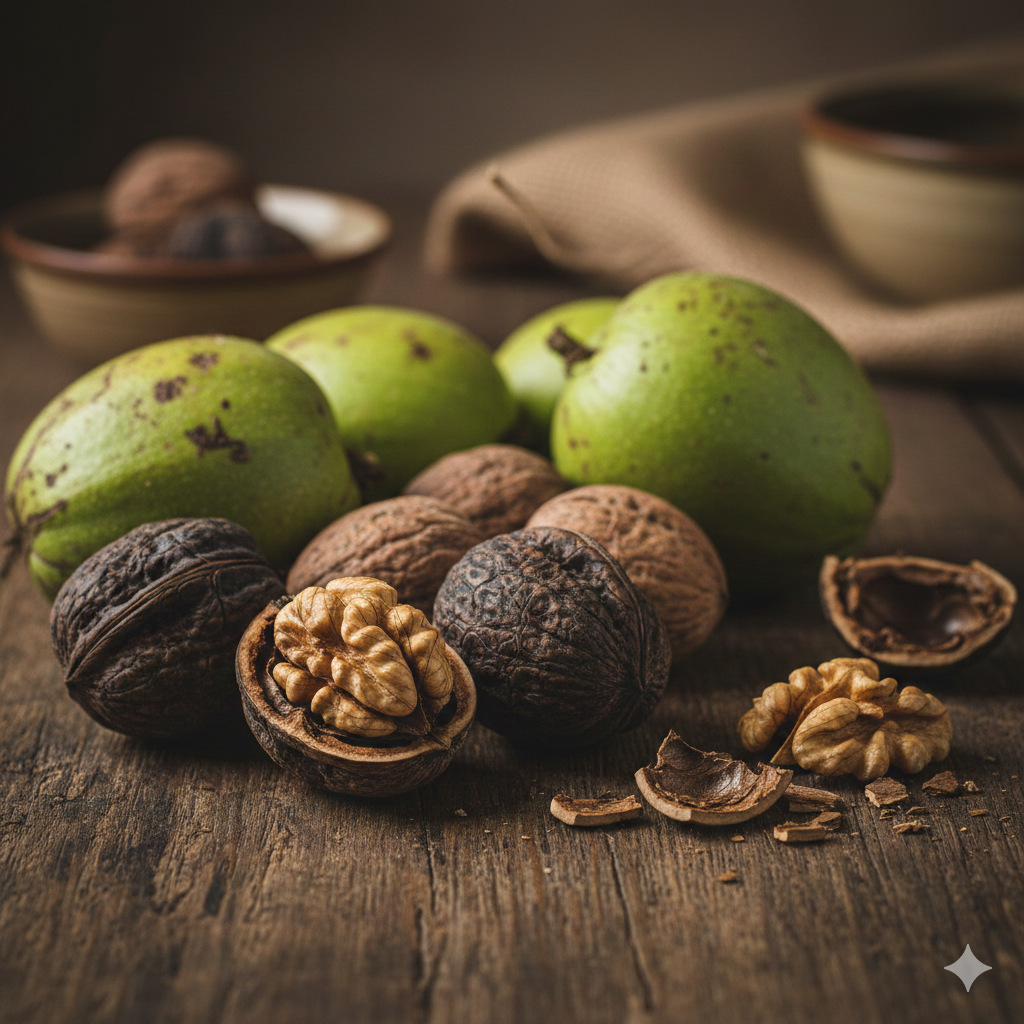
The Black Walnut Tree is a strong, fast-growing tree that is well known for its valuable wood and rich-flavored nuts. Native to North America, this tree is often planted for shade, landscaping, and nut production. It grows tall, develops a wide canopy, and becomes a long-lasting feature in large yards and open spaces.
If you are looking for a tree that offers both beauty and practical benefits, the Black walnut tree is an excellent choice. Growing from black walnut tree seeds is one of the most rewarding ways to cultivate this impressive native species.
How tall and strong does a Black walnut tree grow?
Black Walnut trees are known for their impressive size. They can grow between 50 to 75 feet tall, and sometimes even taller under the right conditions. The trunk becomes thick and sturdy as the tree matures, and its dark, deeply ridged bark gives it a bold appearance.
The tree forms a wide, rounded crown filled with long green leaves. During fall, the leaves turn yellow before dropping, adding seasonal color to your landscape.
Because of its large size, this tree is best suited for spacious areas rather than small yards.
Nuts That Are Rich and Flavorful
One of the biggest reasons people plant Black Walnut trees is for their nuts. The tree produces round green husks that contain hard-shelled walnuts inside. These nuts have a strong, rich flavor that many people prefer for baking, cooking, and snacking.
Walnuts usually mature in early to mid-fall. Once they drop from the tree, the outer husk can be removed to collect the nut inside. While cracking black walnuts requires effort due to their hard shell, the taste is often worth it.

What Are the Ideal Conditions for a Black Walnut Tree?
Black Walnut trees grow best when planted in the right environment. They prefer:
-
Full sun for strong development
-
Deep, well-drained soil
-
Plenty of open space
-
Moderate watering during early growth
These trees develop deep root systems, which help them become drought-tolerant once established. However, young trees need regular watering during their first few years.
Because they grow large, it is important to plant them away from buildings, sidewalks, and underground utilities.,
If you enjoy planting trees, you can also explore other fruit trees to add more delicious trees to your garden.
For gardeners interested in growing other nut trees, our guide on Planting a Pecan Tree for Nut Harvests and Natural Shade offers step-by-step tips for a rewarding nut harvest.
Understanding the Tree’s Natural Chemical Defense
One unique feature of the Black Walnut Tree is that it produces a natural chemical called juglone. This substance is released into the soil and can affect certain nearby plants. Some flowers, vegetables, and shrubs may not grow well near black walnut trees.
For this reason, it is best to research companion plants before planting around the tree. Many grasses and native plants grow fine near black walnut, but sensitive plants should be kept at a distance.
Simple Care and Maintenance
Black Walnut trees are generally low-maintenance once established. During the early years, they benefit from regular watering and occasional pruning to shape the structure. Removing weak or damaged branches helps keep the tree healthy.

Fertilizing is usually not necessary if the soil is naturally fertile. Adding mulch around the base can help retain moisture and reduce weed growth, but avoid piling mulch directly against the trunk.
Because of their strong root system and hardy nature, mature Black Walnut trees can handle wind, heat, and seasonal changes well.
Long-Term Benefits and Value
Planting a Black Walnut Tree is an investment for the future. These trees can live for over 100 years and continue providing shade, nuts, and natural beauty for generations.
Understanding the black walnut tree value highlights why these trees are so prized. Their wood is highly sought after for furniture and woodworking due to its rich dark color and durability. Even if you plant it mainly for shade, it holds long-term worth.
In addition to practical benefits, the tree also supports wildlife. Squirrels, birds, and other animals rely on walnuts as a food source.

Conclusion
The Black Walnut Tree (Juglans nigra) is a magnificent, long-living tree that provides shade, nutritious nuts, valuable wood, and visual appeal. Starting from black walnut tree seeds ensures you can grow your own tree and enjoy these benefits.
By planting in the right environment, caring for young trees, and recognizing its value, you’ll cultivate a tree that offers beauty, utility, and long-term rewards. For those with enough space, the Black Walnut Tree is a smart and enduring choice.
For more gardening inspiration and a wide selection of trees, explore the Evergreen Trees to find your perfect addition for home or garden.
FAQs
How fast do Black Walnut trees grow?
Black Walnut trees grow at a moderate to fast rate, especially during their early years. With proper sunlight and soil, they can reach 50-75 feet in height.
How to identify a black walnut tree?
Look for a tall tree with dark, ridged bark, long compound leaves, round green nuts in thick husks, and a wide, spreading leafy crown.
Are Black Walnut trees difficult to maintain?
No, once established, these trees are hardy and require only basic care such as occasional pruning and watering when young.
Can I plant other plants near Black Walnut trees?
Some plants are sensitive to juglone, the natural chemical the tree releases. Grass and many native plants grow fine, but avoid certain vegetables and flowers near the tree.
