
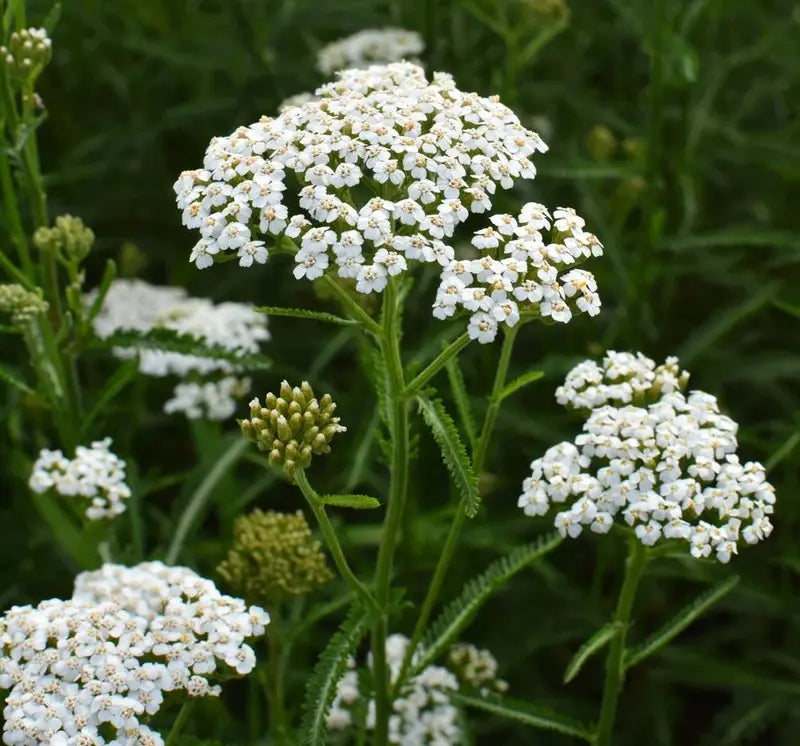
You grow the Yarrow Plant in your garden when you want a hardy and low-maintenance plant that adds soft beauty and structure. It produces clusters of small flowers in white, yellow, or pink that attract butterflies and helpful pollinators. You will like it because it handles dry soil well and grows strongly in sunny areas without much care. It also spreads easily and helps you fill empty garden spots with natural charm. When you explore stronger and easier garden plants, you can also check Evergreen Trees for more useful garden inspiration.
What Is a Yarrow Plant
You see the Yarrow Plant as a strong and easy-growing perennial plant that adds soft beauty to your garden. It grows feathery green leaves and produces flat clusters of tiny flowers in white, yellow, or pink. You often choose it when you want a plant that survives in dry soil and needs very little care. It also attracts butterflies and helps bring life to sunny garden spaces.
Key Facts and Identification
- Botanical Name: Achillea millefolium
- Plant Type: Perennial flowering plant
- Height: 1 to 3 feet tall
- Leaves: Feathery, finely divided green leaves
- Flowers: Small clusters in white, yellow, pink, or red
- Bloom Time: Late spring to early fall
- Light Needs: Full sun
- Soil Type: Dry, well-drained soil
- Special Feature: Drought-tolerant and attracts pollinators
Why Yarrow Is Popular in Home Gardens
You grow Yarrow in your garden because it is very easy to care for and grows well even in dry, poor soil. It spreads nicely, fills empty spaces, and adds soft colour with its flowers. You also enjoy more butterflies and pollinators in your garden without extra effort.

What Are the Common Yarrow Varieties
You find Common Yarrow Varieties in different forms that suit various garden needs and styles. These varieties mainly differ in flower colour, plant height, and growth habit, so you can choose the one that fits your space best.
- White Yarrow: You get classic white flower clusters that give a clean, natural look to your garden.
- Yellow Yarrow: It produces bright yellow blooms that add strong colour in sunny areas.
- Red Yarrow: You see deep red or pink flowers that bring bold and eye-catching beauty.
- Pink Yarrow: It gives soft pink blooms that add a gentle and decorative touch.
- Dwarf Yarrow: It stays short and compact, perfect for borders and small garden spaces.
These types help you pick the right Yarrow that fits your garden needs and gives you the look you want.
Benefits of Growing Yarrow Plants
You enjoy many advantages when you grow Yarrow in your garden because it is strong, useful, and easy to care for.
- Low Maintenance: You grow it easily because it needs very little water or care once established.
- Drought Tolerant: It survives well in dry soil, so you do not need to water it often.
- Attracts Pollinators: You bring more butterflies, bees, and other helpful insects to your garden.
- Soil Improvement: It helps improve soil health and grows well even in poor conditions.
- Long Blooming Season: You enjoy flowers for a long time from late spring to early fall.
- Easy Spreading: It fills empty spaces quickly and gives your garden a natural, full look.
How Yarrow Attracts Pollinators
You attract more pollinators in your garden when you grow Yarrow because its small, clustered flowers are rich in nectar and easy for insects to access. Bees, butterflies, and other helpful insects are drawn to its flat flower heads, which give them a simple landing spot to feed. You will notice more activity in your garden during its long blooming season from late spring to early fall. This steady food source helps support local pollinators and keeps your garden lively and healthy.

Why Gardeners Choose Yarrow for Low Maintenance
You choose Yarrow in your garden because it is one of the easiest plants to grow with minimal effort and care. It survives well in dry soil and does not need frequent watering, which makes your gardening routine simple. You also do not need to worry much about fertiliser or constant care, as it grows strong on its own once established. It handles heat, poor soil, and sunny spots without trouble. This makes it a perfect choice if you want a beautiful garden that stays healthy without spending too much time on maintenance.
What Are the Medicinal and Herbal Uses of Yarrow
- Wound Healing: You use Yarrow to help stop minor bleeding and support faster healing of small cuts and wounds.
- Digestive Support: It is often used in herbal teas to improve digestion and ease stomach discomfort.
- Cold and Flu Relief: You can use it in herbal form to help reduce fever and relieve mild cold symptoms.
- Anti-inflammatory Properties: It helps reduce mild inflammation and supports overall body comfort.
- Skin Care Use: You also use it in natural remedies to calm skin irritation and minor rashes.
Soil Improvement and Companion Planting Benefits
You grow Yarrow in your garden because it helps improve soil quality over time by adding nutrients and supporting healthier ground conditions. Its deep roots also help break compact soil, making it better for other plants to grow nearby. You can also use it as a companion plant because it attracts beneficial insects like pollinators and pest-controlling bugs. This helps protect nearby plants and improves overall garden balance. It works well in mixed garden beds where you want natural support and healthier plant growth with less effort.
What Are the Best Conditions for Growing Yarrow
You grow Yarrow best when you give it full sunlight because it loves bright and open spaces. It performs well in dry, well-drained soil and does not like too much water, so you avoid overwatering it. You can also plant it in poor or sandy soil where other plants may struggle. It grows strong in warm and moderate climates and needs very little care once established. With the right sunny spot and light soil conditions, you get healthy growth and long-lasting flowers in your garden.
Where Does Yarrow Grow Best
You find Yarrow growing best in sunny, open areas where it gets plenty of direct light throughout the day. It prefers dry, well-drained soil and does not do well in wet or waterlogged conditions. You can grow it in garden beds, borders, rocky areas, or even poor soil where other plants may struggle. It also handles heat and drought very well, making it a strong choice for low-maintenance gardens. When you give it the right sunny and dry environment, it grows healthy and spreads naturally.
What Is the Best Soil Type for Healthy Growth
You grow Yarrow best in well-drained soil because it does not like water sitting around its roots. It performs well in dry, sandy, or even poor soil where other plants may struggle. You do not need very rich soil for it, as too many nutrients can actually reduce its natural growth strength. It also prefers slightly loose soil that allows good airflow and drainage. When you give it light, dry, and well-drained conditions, it grows strong, healthy, and produces more flowers in your garden.
When to Plant Yarrow
You plant Yarrow in early spring or early fall when the weather is mild. This helps it settle its roots easily in well-drained soil. It grows strong and healthy with very little care once established.
How Do You Plant Yarrow Successfully
- Plant Yarrow in a sunny spot
- Use well-drained, dry soil
- Sow seeds or plant young plants lightly
- Water gently after planting
- Keep space between plants for spreading
- Avoid overwatering and keep the soil dry
- Remove weeds for healthy growth
How to Plant Yarrow in Pots and Containers
You can easily grow Yarrow in pots and containers if you give it the right conditions. You choose a pot with good drainage holes so extra water does not stay inside. You fill it with light, well-drained soil because Yarrow grows best in dry conditions. You place the pot in a sunny spot where it gets full sunlight for most of the day. You water it lightly and only when the soil becomes dry. You also avoid overwatering and give enough space for the plant to spread naturally and grow healthy.
How Do You Mulch and Fertilise Yarrow
You use light mulching around Yarrow to help keep moisture in the soil and control weeds, but you avoid thick layers. It does not need heavy fertilising because it grows well in poor soil conditions. You can add a very small amount of compost in spring if needed, but too much feeding can reduce its natural growth strength.
How Do You Take Care of a Yarrow Plant
You take care of Yarrow by giving it full sunlight because it grows best in bright and open spaces. You water it only when the soil becomes dry since it does not like too much moisture. You also make sure the soil is well-drained so water does not stay around the roots. You remove dead flowers to encourage more blooming and keep the plant tidy. It does not need much fertiliser, so light feeding is enough if the soil is very poor.
What Are the Common Problems With Yarrow Plants
You may face a few common issues when growing Yarrow, but they are usually easy to manage. Overwatering is the biggest problem because it can lead to root rot in wet soil. You may also see weak growth if the plant does not get enough sunlight. In some cases, Yarrow can spread too much and take over nearby plants if not controlled. Pests are usually rare, but occasional aphids may appear. With proper sunlight, well-drained soil, and light care, you can easily avoid these problems.
How Do You Propagate Yarrow Plants
You can easily propagate Yarrow by dividing mature plants or growing from seeds. The most common method is division, where you dig up an established plant and separate it into smaller sections with roots, then replant them in sunny, well-drained soil. You can also grow it from seeds by sowing them in early spring or fall and lightly covering them with soil. Keep the soil slightly moist until they start to grow. Once established, Yarrow spreads quickly and grows with very little care.
Is Yarrow Safe for Pets and Humans
You can grow Yarrow in your garden with some care because it is generally considered safe for humans when used in small amounts, especially in traditional herbal use. However, you should avoid letting pets eat it in large quantities, as it may cause mild stomach upset in some animals. You also handle it normally in the garden without worry, as it is not highly toxic. With simple precautions, you can safely enjoy its beauty and benefits in your home garden.
Conclusion
You grow Yarrow when you want a strong, easy-care plant that adds colour, beauty, and life to your garden without much effort. It handles dry soil, full sun, and poor conditions very well, so you do not need to worry about constant care. You also get more butterflies and pollinators, which makes your garden feel more natural and active. It spreads nicely, fills empty spaces, and stays useful in different garden styles. If you want to explore more long-lasting garden plants, you can also check Perennial Plants for more helpful ideas.
FAQs
Why should you grow Yarrow in your garden?
You grow Yarrow because it is easy to maintain, survives in dry soil, and adds natural colour to your garden. It also attracts butterflies and pollinators, making your garden more lively.
Where does Yarrow grow best?
Yarrow grows best in full sun with dry, well-drained soil. It performs well in poor or sandy soil and does not require heavy watering or care.
When should you plant Yarrow?
You should plant Yarrow in early spring or early fall. Mild weather helps the plant establish strong roots quickly in the soil.
Is Yarrow easy to maintain?
Yes, Yarrow is very low-maintenance once established. It needs minimal watering, little fertiliser, and grows well even in poor soil conditions.
Is Yarrow safe for pets and humans?
Yarrow is generally safe for humans in small amounts, especially for herbal use. However, pets should not eat large quantities as it may cause mild stomach upset.
