
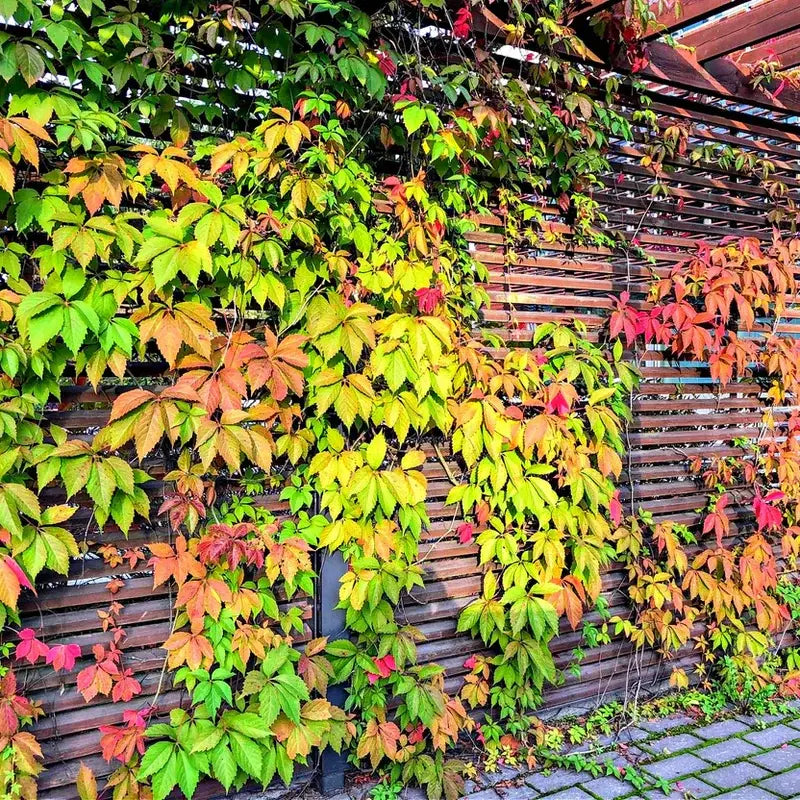
Virginia creeper is a fast-growing climbing plant that helps cover walls, fences, and empty spaces with rich green leaves. You see five-leaf clusters that turn bright red in fall, giving the garden a bold seasonal look. This plant grows quickly and attaches itself to surfaces, providing natural coverage without much effort. You can grow Virginia creeper when you want a low-maintenance vine that still looks impressive. It also attracts birds and adds life to outdoor spaces. You can explore more plants like this in your gardening with Evergreen Trees for fresh ideas.
What Is Virginia Creeper and Why Is It Popular
Virginia Creeper is a fast-growing climbing vine that you see covering walls, fences, and even large trees with dense green leaves. It is known for its five-leaf clusters and rapid growth, making it perfect for quickly filling empty spaces. In the fall, the leaves turn bright red, giving a bold and eye-catching look to any garden.

Why it’s popular:
- You get fast coverage for walls, fences, and pergolas
- It grows easily in different soil and weather conditions
- You don’t need much maintenance to keep it healthy
- It creates natural privacy and shade in outdoor spaces
- It attracts birds and adds life to your garden
Key Features That Make It a Unique Climbing Vine
Virginia Creeper is known for its fast growth and strong climbing ability, making it a standout choice for covering outdoor spaces.
Key features:
- Five-leaf clusters that give a dense and textured look
- Green leaves that turn bright red in fall
- Strong climbing with adhesive pads for easy attachment
- Fast growth that covers large areas quickly
- Grows well in sun, shade, and different soil types
- Low maintenance and easy to manage
These features make it a reliable and attractive vine for adding natural beauty and coverage to your garden.
Botanical Overview of Virginia Creeper
Virginia Creeper is a versatile and resilient climbing vine that adds life and color to any garden. It is especially admired for its seasonal beauty and low-maintenance growth.
Botanical Overview:
- Scientific Classification and Plant Family: Virginia creeper is part of the grape family, Vitaceae, and belongs to the genus Parthenocissus, sharing traits with other ornamental climbers.
- Growth Habit, Lifespan, and Climbing Nature: It is a vigorous perennial vine with a long lifespan, known for fast spreading and its ability to attach to walls, fences, and structures without support.
- Leaf Structure, Color Changes, and Seasonal Interest: Its leaves start as bright green in spring and summer, then change to vibrant red in fall, giving dynamic seasonal color and enhancing visual interest throughout the year.
This resilient vine is one of the must-have perennial plants, and you can also explore Evergreen Trees for a low-maintenance and eye-catching garden feature.
Why Grow Virginia Creeper in Your Garden
Growing Virginia Creeper is a great way to quickly cover walls, fences, or empty spaces. Its green leaves turn bright red in fall, adding seasonal color. The vine is low-maintenance, grows in sun or shade, and creates natural privacy. It also attracts birds, bringing life and charm to your garden with minimal effort.
Benefits of Adding Virginia Creeper to Landscapes
Adding Virginia Creeper to your landscape can transform ordinary spaces into vibrant, green areas with minimal effort.

Benefits of Adding Virginia Creeper to Landscapes:
- Provides fast coverage for walls, fences, and trellises
- Adds seasonal color with green summer leaves and red fall foliage
- Creates natural privacy and shade in outdoor spaces
- Low-maintenance and easy to grow in various conditions
- Attracts birds and enhances garden life
- Helps soften hard surfaces and adds texture to landscapes
- Durable and adapts well to sun, shade, and different soil types
With its combination of beauty, adaptability, and ease of care, Virginia creeper is a smart choice for any garden.
Where Virginia Creeper Grows Best
Virginia Creeper grows best in well-drained soil with full sun or partial shade. It quickly covers walls, fences, and trellises, adding lush greenery. Versatile and low-maintenance, it adapts to most garden settings and continues to enhance outdoor spaces year after year.
Ideal Growing Conditions for Virginia Creeper
The following are the Ideal Conditions of Virginia Creeper
- Sunlight Requirements: Grows best in full sun for vibrant leaf color, but can tolerate partial shade.
- Soil Type: Prefers well-drained soil and adapts to sandy, loamy, or clay soils.
- Drainage: Needs soil that drains well to prevent root rot and avoid waterlogged areas.
- Moisture Needs: Requires regular watering during establishment and becomes drought-tolerant once mature.
- Temperature Range: Handles hot summers and cold winters, thriving in moderate to extreme seasonal temperatures.
- Hardiness Zones: Suitable for USDA zones 3 - 9 and performs well across a wide range of climates.
Providing these ideal conditions ensures Virginia creeper grows vigorously, stays healthy, and brings long-lasting color and coverage to your outdoor spaces.
When to Plant Virginia Creeper for Best Results
The best time to plant Virginia Creeper is early spring or early fall. This allows the vine to establish strong roots in moderate temperatures and ensures healthy, vigorous growth for quick coverage. Avoid planting in extreme summer heat or freezing winter.
How to Plant Virginia Creeper Successfully
Planting Virginia Creeper correctly ensures strong growth and healthy coverage in your garden.
- Choose a well-drained spot with full sun or partial shade
- Dig a hole and place the vine in it
- Backfill with soil and water thoroughly
- Add mulch to retain moisture and control weeds
- Support young vines with a trellis or fence until they climb on their own
- Water regularly during the first season to help establish strong roots and vigorous growth
Spacing, Support Structures, and Placement Tips
When planting Virginia Creeper, space vines between 6 and 10 feet apart and provide support like trellises or fences. Place near walls, pergolas, or garden corners, but avoid cramped spots or areas too close to delicate structures. Proper spacing and support ensure healthy growth and dense coverage.
Virginia Creeper Care and Maintenance Guide
Virginia Creeper is a low-maintenance climbing vine, but giving it proper care helps it grow healthy and vibrant in your garden.
- Watering Schedule: Water the vine regularly during its first year to help roots establish. Once mature, it can handle short dry spells but benefits from occasional deep watering in hot weather.
- Feeding Requirements: Use a balanced, slow-release fertilizer in spring to promote healthy growth and strong foliage. Avoid over-fertilizing, which can cause too much leafy growth at the expense of flowers and color.
- Pruning: Prune once a year, ideally in late winter or early spring, to remove dead or damaged stems, control size, and maintain a neat shape.
- Training the Vine Properly: Guide young vines onto trellises, fences, or walls until they attach themselves. Use soft ties if needed and encourage both vertical and horizontal growth for full coverage.
With consistent care, Virginia creeper will thrive, cover spaces beautifully, and bring year-round color and life to your garden.
How to Control Virginia Creeper's Fast Growth
Virginia Creeper grows quickly, so regular pruning is key to controlling its spread. Train it only on trellises or fences, avoid letting it climb delicate structures, and trim roots if needed. This keeps the vine healthy and prevents it from taking over your garden.
Common Problems of Virginia Creeper and How to Fix Them
Virginia Creeper is generally hardy, but a few issues can arise. Here’s how to handle them:
- Pests (Aphids and Scale Insects): These small insects can damage leaves and stems. Spray with insecticidal soap or wash leaves with water to remove them.
- Powdery Mildew: A white powdery coating can appear in humid conditions. Improve air circulation and prune affected leaves to control it.
- Overgrowth: Rapid growth can make the vine messy and invasive. Regular pruning keeps it tidy and under control.
- Yellowing Leaves: Often caused by overwatering or poor drainage. Adjust watering habits and ensure soil drains well to fix the problem.
- Prevent Root Rot: Ensure soil drains properly and avoid waterlogged conditions. Mulch can help retain moisture without causing soggy roots.
- Fungal Issues: Keep foliage dry and maintain good air circulation. Remove and dispose of infected leaves to prevent spread.
By addressing these common issues, Virginia creeper stays healthy, vibrant, and attractive in your garden.
Is Virginia Creeper Safe or Toxic?
Virginia Creeper is mostly safe to grow in gardens, but some parts can be mildly toxic if ingested.
- Toxicity to Humans: The berries contain compounds that may cause nausea, vomiting, or diarrhea if eaten. Skin contact is generally safe, though some people may develop slight irritation from the sap.
- Toxicity to Pets: Cats, dogs, and other pets may experience mild stomach upset if they consume leaves or berries.
To ensure safety, avoid consuming the berries and keep pets and small children away from the plant.
How to Handle the Plant Safely
Handling Virginia Creeper safely is easy. Wear gloves when pruning, keep children and pets away from berries and leaves, and use proper tools to manage growth. Regular monitoring helps control overgrowth and keeps your garden and family safe.
Propagation Methods for Virginia Creeper
Virginia Creeper can be propagated using several simple methods:
- Stem Cuttings: Take healthy 6 - 8 inch sections of the vine, place them in water or moist soil, and allow them to develop roots before planting. This is the fastest and most reliable method.
- Layering: Bend a low-growing stem to touch the soil, pin it down, and let roots form at the contact points. Once rooted, separate it from the parent plant.
- Seeds: Plant seeds in well-drained soil, but this method is slower and less reliable compared to cuttings or layering.
Using these propagation methods, you can easily multiply Virginia creeper and expand coverage in your garden.
Conclusion:
Virginia Creeper is an excellent choice if you want a fast-growing, low-maintenance vine that adds color, coverage, and life to your garden. Its vibrant seasonal foliage, ability to attract birds, and versatility in different conditions make it ideal for walls, fences, and pergolas. With proper care, pruning, and monitoring, it can be controlled easily and kept healthy. If you’re looking for a resilient plant that transforms empty spaces into eye-catching garden features, Virginia creeper is definitely worth considering.
FAQs
What is Virginia Creeper, and why is it popular?
Virginia Creeper is a fast-growing climbing vine with five-leaf clusters. It covers walls, fences, and empty spaces quickly, adds seasonal color, creates privacy, and attracts birds with minimal maintenance.
Where does Virginia Creeper grow best?
It grows well in full sun to partial shade, in well-drained soil, and adapts to most garden conditions. Ideal for walls, fences, trellises, and pergolas.
How do you plant Virginia Creeper?
Plant in early spring or fall, spacing vines 6 - 10 feet apart. Provide support with trellises or fences, backfill soil, water well, and mulch to retain moisture.
How do you care for Virginia Creeper?
Water regularly during establishment, fertilize lightly in spring, prune annually to control size, and guide young vines on supports until they attach naturally.
How do you control Virginia Creeper’s fast growth?
Prune regularly, train vines on designated structures, trim roots if necessary, and avoid letting it climb delicate surfaces.
Is Virginia Creeper safe or toxic?
Berries are mildly toxic if ingested by humans or pets. Wear gloves when handling, avoid eating berries, and supervise children and pets around the plant.
Why should I grow Virginia Creeper in my garden?
It’s low-maintenance, fast-growing, provides vibrant seasonal foliage, attracts birds, creates natural coverage, and transforms empty spaces into visually appealing areas.
