
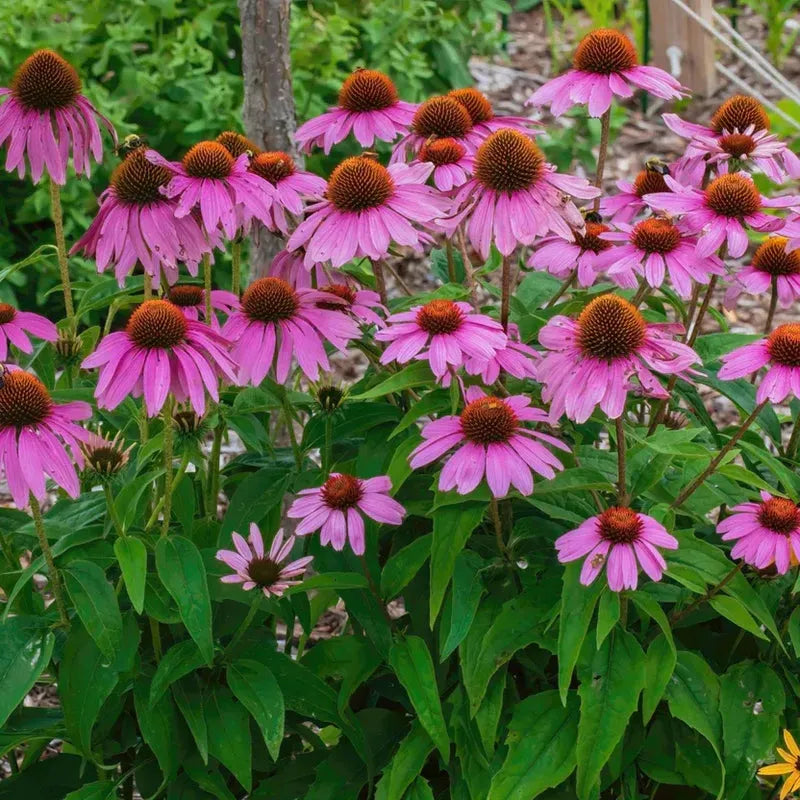
Purple Coneflower is a beautiful, easy-to-grow plant that adds color and life to your garden. You see bright purple petals around a big orange center that attracts butterflies, bees, and other pollinators. It grows well in many gardens and requires minimal care, making it ideal for beginners. You can plant it in borders, flower beds, or even pots to brighten any space. Its long-lasting blooms and hardy nature make it a reliable choice for every season. As a popular choice in our Perennial Collection, Purple Coneflower returns year after year with minimal care. You will enjoy how it fills your garden with color and keeps pollinators coming back.
What Makes Purple Coneflower Special?
Purple Coneflower is special because it is easy to grow and hardy. You see bright, cheerful flowers that attract butterflies and bees. It blooms for a long time, adding color to your garden all season. You will like it because it needs little care and still looks stunning. This plant brings life and charm wherever you plant it.

Purple Coneflower Appearance and Blooming Season
Purple Coneflower has tall, strong stems with bright purple petals around a big orange center. Its green leaves are slightly rough but add a nice texture to your garden. You see flowers blooming from early summer to late fall, giving your garden long-lasting color. The blooms are perfect for attracting butterflies, bees, and even birds. You will enjoy how these flowers make your garden look lively and full of charm throughout the season.
Purple Coneflower Scientific Name and Family
- Scientific Name: Echinacea purpurea
- Family: Asteraceae (the daisy family)
Purple Coneflower belongs to the same family as daisies and sunflowers. Its scientific name, Echinacea, comes from the Greek word for “hedgehog,” because of its spiky center. You will like it because it is easy to recognize and adds a classic garden look.

Why Grow Purple Coneflower in Your Garden
You should grow Purple Coneflower because it is easy and low-maintenance. It adds bright color and long-lasting blooms to your garden. Butterflies, bees, and birds love it, making your garden feel lively. It also grows well in many conditions, from full sun to light shade. You will enjoy how it fills empty spaces and makes your garden look beautiful all season.
Health & Herbal Benefits of Purple Coneflower
- Boosts Immunity: This plant helps support your immune system naturally.
- Fights Colds: It is commonly used to ease symptoms of colds and infections.
- Herbal Use: You can make teas or extracts from its leaves and flowers.
- Traditional Remedy: People have used it for generations for natural wellness.
- Garden Bonus: Besides health benefits, it adds color and charm to your garden.
Pollinators Love Purple Coneflower Bees, Butterflies & More
- Attracts Bees: Its bright flowers draw bees, helping your garden thrive.
- Invites Butterflies: Butterflies love landing on the colorful petals.
- Bird-Friendly: Some birds visit the flowers for seeds and insects.
- Supports Wildlife: By planting it, you help create a healthy garden ecosystem.
- Long-Lasting Blooms: Pollinators keep coming back throughout the blooming season.
You can combine it with other pollinator-friendly plants like Butterfly Milkweed, Shasta Daisy, or Gayfeather (Liatris) for a colorful and beneficial garden design.
Choosing the Right Purple Coneflower
- Consider Height: Some varieties grow tall while others stay compact for smaller spaces.
- Check Flower Color: Purple is classic, but some types have pink or lighter shades.
- Look for Hardiness: Choose a variety that grows well in your climate.
- Bloom Time Matters: Some types bloom longer than others, giving extended color.
- Purpose in Garden: Think if you want it for borders, beds, or pollinator gardens.
How to Select Healthy Purple Coneflower Plants or Seeds
- Check Leaves: Look for green, firm leaves without spots or yellowing.
- Inspect Stems: Stems should be strong and upright, not weak or floppy.
- Healthy Roots: If buying plants, roots should be white and firm, not brown or mushy.
- Seed Quality: Choose seeds from reputable sources for better germination and growth.
- Avoid Pests: Make sure plants or seeds are free from insects or signs of disease.
You will get the best results if you choose high-quality plants. For healthy Purple Coneflower plants, you can purchase them from Evergreen Trees.
Best Time to Plant Purple Coneflower for Maximum Bloom
- Spring Planting: Early spring is perfect for giving plants a full growing season.
- Fall Planting: Late summer to early fall works too, allowing roots to establish before winter.
- Avoid Extreme Heat: Try not to plant during the hottest part of summer to prevent stress.
- Consider Your Climate: Adjust planting time based on your local weather for best results.
- Planning Ahead: Planting at the right time ensures long-lasting, vibrant blooms that attract pollinators.
Soil, Sunlight & Water Requirements
- Soil: Plant in well-draining soil; it grows best in rich, loamy soil but can tolerate sandy or clay soil.
- Sunlight: Full sun is ideal, at least 6 hours a day, for vibrant flowers and healthy growth.
- Watering: Water regularly during the first few weeks, then it becomes drought-tolerant once established.
- Avoid Overwatering: Too much water can harm roots, so let the soil dry slightly between watering.
Step-by-Step Planting Guide
- Choose the Spot: Pick a sunny location with well-draining soil for the best growth.
- Prepare the Soil: Loosen the soil and mix in compost to give your plants a healthy start.
- Planting Depth: Dig a hole slightly larger than the root ball and place the plant at the same depth it was in its pot.
- Water Well: Water immediately after planting to help roots settle in.
- Mulch Around Plants: Add a layer of mulch to retain moisture and prevent weeds.
Seasonal Care & Maintenance
- Spring: Remove dead leaves and stems, and add fresh mulch to encourage new growth.
- Summer: Water during dry periods and deadhead spent flowers to boost blooming.
- Fall: Cut back tall stems after flowering and collect seeds if you want to propagate.
- Winter: Protect the roots with a layer of mulch to survive frost and cold weather.
- Ongoing Care: Regular checking for pests and ensuring proper sunlight helps your plants thrive all year.
Fertilizer and Mulch Recommendations
- Fertilizer Type: Use a balanced, slow-release fertilizer in spring to support healthy growth.
- Application: Apply lightly around the base of the plant, avoiding direct contact with stems.
- Mulch Benefits: Mulch helps retain soil moisture, keeps weeds away, and protects roots from temperature changes.
- Best Mulch Options: Organic mulch like bark, straw, or compost works best for long-lasting benefits.
- Seasonal Refresh: Refresh mulch each spring or fall to maintain healthy soil and vibrant blooms.
Common Issues and Easy Fixes
- Yellowing Leaves: Often caused by overwatering or poor drainage. Let soil dry and improve drainage.
- Weak Stems: Tall plants may bend or break. Stake them or grow shorter varieties.
- Pests: Aphids or beetles can appear. Spray with mild soapy water or remove by hand.
- Fungal Diseases: Powdery mildew can occur in humid conditions. Ensure good air circulation and avoid wetting leaves.
- Poor Blooming: Lack of sunlight or nutrients can reduce flowers. Plant in full sun and fertilize lightly.
Why Purple Coneflower Is Not Blooming
If your Purple Coneflower is not blooming, there are usually simple reasons you can fix. Often, the plant may not be getting enough sunlight, as it needs at least six hours a day to produce flowers. Poor soil or a lack of nutrients can also reduce blooming, so adding a balanced, slow-release fertilizer can help. Overcrowding can limit blooms, so make sure plants have enough space for air and light. Removing old flowers, called deadheading, encourages more blooms, and young plants may simply need a season or two to start flowering fully.
Pests, Diseases & How to Handle Them
- Aphids & Beetles: Remove them by hand or spray with mild soapy water.
- Fungal Issues: Powdery mildew can occur in humid conditions; ensure good air circulation and avoid wetting leaves.
- Proper Spacing: Give plants enough room to reduce disease risk.
- Clean Garden: Remove debris and dead leaves to prevent pests and infections.
- Regular Check: Inspect plants often to catch problems early and keep them healthy.
Where to Buy Purple Coneflower
If you want healthy Purple Coneflower plants for your garden, it’s best to buy from a trusted source. Evergreen Trees offers high-quality plants. You can order healthy Purple Coneflower plants directly from our store for strong growth and vibrant blooms. Choosing plants from Evergreen Trees ensures you start with the best, giving your garden vibrant blooms and long-lasting beauty.
Conclusion
Purple Coneflower is a beautiful, low-maintenance plant that brings color, life, and pollinators to any garden. Its long-lasting blooms, hardy nature, and herbal benefits make it a perfect choice for both beginners and experienced gardeners. With proper care, sunlight, and occasional fertilizing, it will thrive year after year, filling your garden with charm and activity. If you want to get started with healthy, high-quality plants, you can purchase Purple Coneflower from Evergreen Trees and enjoy a vibrant, lively garden all season long.
FAQs
Is Purple Coneflower Easy to Grow for Beginners?
Yes! Purple Coneflower is low-maintenance and grows well in most gardens. With sunlight and good soil, it blooms reliably year after year.
How Long Does Purple Coneflower Live?
Purple Coneflower is a perennial, so it can live for many years. With proper care, it often blooms reliably for 5 to 10 years or more in your garden.
Can Purple Coneflower Survive Winter?
Yes! Purple Coneflower is hardy and can survive cold winters. Mulching around the base helps protect the roots and keeps it healthy for the next season.
Is It Safe Around Pets and Children?
Yes! Purple Coneflower is non-toxic and safe around pets and children, making it a great choice for family-friendly gardens.
