
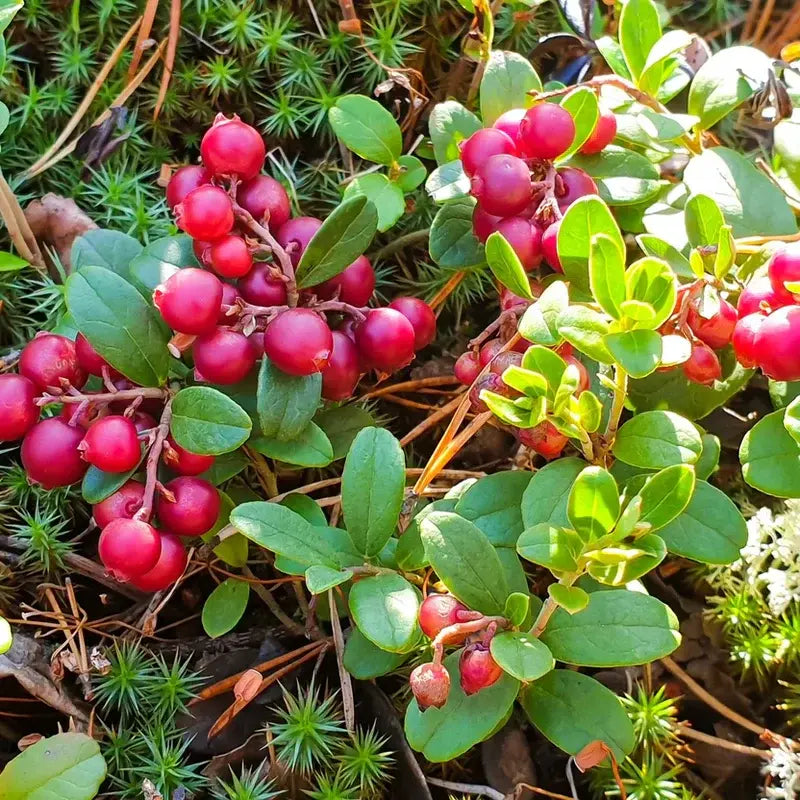
You grow Partridge Berry in your garden when you want a low-growing plant that spreads gently and gives you year-round ground cover. It forms small green leaves and bright red berries that add natural color to shady areas. You will like it because it works well under trees and helps fill empty spaces without much effort. It also supports local wildlife and brings a soft forest-like feel to your garden. It stays low, needs little care, and grows slowly in a natural way. If you want to explore more shade-friendly plants and ideas, you can check Evergreen Trees for more useful garden inspiration.
What Is Partridge Berry?
Partridge Berry is a small evergreen ground-cover plant that spreads slowly in shady garden areas. It produces tiny white flowers followed by bright red berries, giving your garden a natural woodland look. You often see it growing under trees where it forms a soft green carpet.
Key Facts and Identification
You can easily recognize Partridge Berry once you know its main features. Here are the key identification points:
- Botanical Name: Mitchella repens
- Common Name: Partridge Berry
- Plant Type: Evergreen creeping perennial
- Height: 2 to 6 inches tall
- Spread: Spreads horizontally as ground cover
- Leaves: Small, oval, dark green leaves growing in opposite pairs
- Flowers: Tiny white or pinkish tubular flowers
- Fruit: Bright red berry that usually appears in pairs
- Bloom Time: Late spring to early summer
- Light Needs: Partial to full shade
- Soil Type: Moist, acidic, well-drained soil
- Special Feature: Produces twin berries fused in pairs
These features make it a unique and easily identifiable woodland plant.
Is Partridge Berry Suitable for Your Garden Space?
You choose Partridge Berry for your garden when you have shaded areas where other plants struggle to grow. It works best in small garden spaces, under trees, or along borders where you want soft ground cover. You will like it if you want a low-maintenance plant that spreads slowly and fills empty spots without taking over. It is also a good choice if your soil stays moist and slightly acidic. This plant fits well in woodland-style gardens and adds a natural forest look without much effort.
Where Does Partridge Berry Grow Naturally?
You find Partridge Berry growing naturally in cool, shady woodland areas where trees create a soft canopy above. It spreads along forest floors in North America, especially in regions with moist and acidic soil. You will often see it creeping under pine and hardwood trees, where it gets filtered sunlight instead of direct sun. This plant prefers calm, undisturbed places like forest floors, mossy banks, and shaded slopes. It grows slowly but steadily, forming a natural green carpet that blends perfectly with its surroundings.
When Does Partridge Berry Bloom?
Partridge Berry follows a simple seasonal cycle that adds quiet beauty to shady gardens.
- Blooming Season: It blooms in late spring to early summer, producing small white to pale pink flowers close to the ground among its evergreen leaves.
- After Blooming: After flowering, it forms bright red berries that usually appear in pairs and stay on the plant for a long time, adding natural color to shaded areas.
How Long Do the Flowers and Berries Last?
Partridge Berry gives you a gentle but long-lasting seasonal display in your garden. The small white to pale pink flowers usually stay for a few weeks in late spring to early summer before turning into berries. After that, the bright red berries appear and last much longer, often staying through summer and sometimes into fall. This long fruiting period keeps your shady garden looking colorful and natural for many months. If you want more plants that come back every year with low effort care, you can explore Perennial plants for more long-lasting garden options.

How to Grow Partridge Berry Successfully
To grow Partridge Berry successfully, you simply need to match its natural woodland conditions.
- Choose the Right Location: Plant it in partial to full shade where it is protected from direct sun.
- Soil Type: Use moist, acidic, and well-drained soil for healthy growth.
- Planting Time: Early spring or early fall is the best time to plant it.
- Spacing: Give enough space because it spreads slowly over time as ground cover.
- Watering Needs: Keep the soil consistently moist, but avoid overwatering or soggy conditions.
- Mulching: Add leaf mulch or pine needles to help retain moisture and improve soil quality.
- Temperature: It grows best in cool to moderate climates with stable conditions.
With these simple steps, you help Partridge Berry establish itself well and spread naturally in your garden over time.
How to Propagate Partridge Berry
You can easily propagate Partridge Berry if you follow a slow and natural approach, just like its woodland growth style.
- Stem Layering: Bend a healthy creeping stem to the soil and lightly cover it with soil. It will slowly develop roots over time and form a new plant.
- Division: You can carefully divide established patches in early spring or fall and replant them in shaded areas.
- Seed Propagation: It is also possible to grow from seeds, but it takes much longer and requires patience.
With these simple methods, you can gradually spread Partridge Berry and create a natural ground cover in your garden.
How to Prevent Root Rot and Fungal Issues
You prevent root rot and fungal issues in Partridge Berry by keeping the growing conditions close to its natural woodland environment. Always plant it in well-drained soil so water does not sit around the roots for too long. You should avoid overwatering and keep the soil just lightly moist instead of soggy. Good air flow around the plant also helps reduce fungal growth. Adding a light layer of mulch, like dry leaves or pine needles, can protect the soil, but make sure it is not too thick. With these simple care steps, your plant stays healthy and grows without root problems.
Is Partridge Berry Toxic or Safe?
Partridge Berry is generally considered safe for gardens and is not known for being highly toxic to humans. It is mainly grown as an ornamental ground cover because of its pretty leaves and red berries. However, the berries are not usually eaten, so you should avoid consuming them just to be safe. It is also a good choice for wildlife-friendly gardens since birds may feed on the berries. Overall, it is a low-risk plant when grown for decorative and natural ground cover purposes.
Is Partridge Berry Toxic or Safe?
Partridge Berry is generally considered non-toxic and safe for ornamental gardening. However, its berries are not commonly eaten by humans. You should avoid consuming them in large quantities. It is completely safe to grow and handle in your garden as a decorative plant.
Conclusion:
Partridge Berry is a great choice if you want a soft, low-growing plant that brings life to shady areas. You should grow it if you like natural woodland-style gardens and want something that spreads slowly without much care. It fits well under trees, along borders, or in small shaded spaces where other plants struggle. With its evergreen leaves and bright red berries, it keeps your garden looking fresh in different seasons. If you are looking for a simple, low-maintenance ground cover, Partridge Berry can be a perfect match for your garden.
FAQs
What is the Partridge Berry plant?
Partridge Berry is a small evergreen ground-cover plant that spreads slowly in shaded areas. It produces tiny white flowers and bright red berries, giving a natural woodland look.
Where does Partridge Berry grow best?
It grows best in shady woodland areas with moist, acidic, and well-drained soil. It is commonly found under trees where it receives filtered sunlight.
How do you grow Partridge Berry successfully?
Plant it in partial to full shade with moist, acidic soil. Keep the soil lightly moist, avoid overwatering, and use mulch to maintain healthy growth.
How fast does Partridge Berry spread?
Partridge Berry spreads slowly as a creeping ground cover. It gradually forms a soft green carpet, making it ideal for low-maintenance woodland gardens.
Is Partridge Berry easy to care for?
Yes, it is very low-maintenance once established. It mainly needs shade, consistent moisture, and occasional mulching for healthy growth.
