
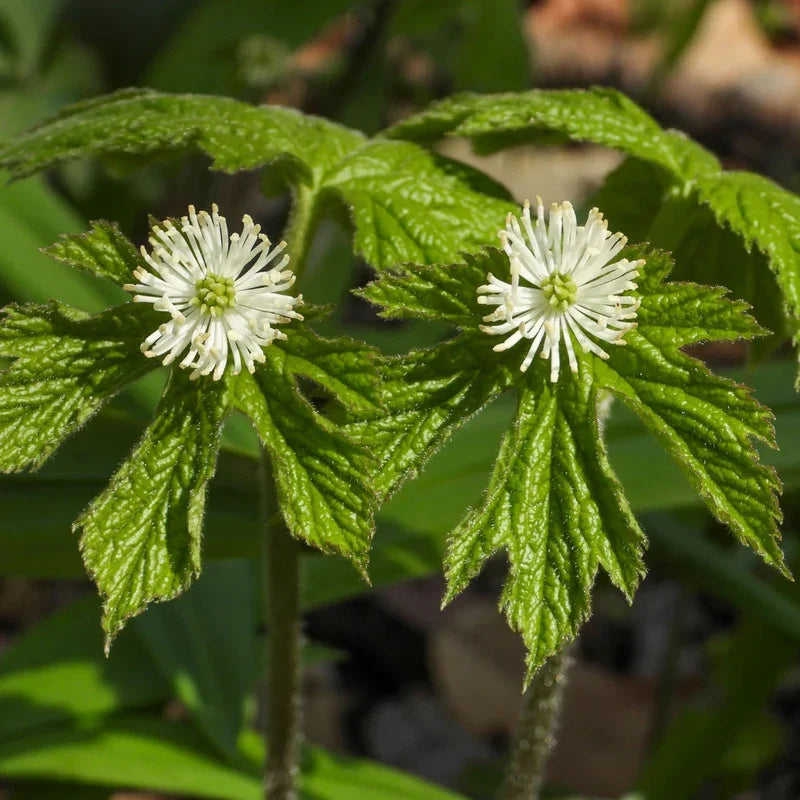
You grow Goldenseal when you want a low-maintenance plant that thrives in shady garden areas. It grows naturally under trees and adds a soft green layer to woodland-style spaces. The plant is known for its small spring flowers and strong yellow roots, making it both decorative and unique. It also has a long history as a traditional medicinal herb, which adds to its value in the garden. Once planted in the right spot, it returns year after year with very little care. For more shade-loving plants and garden ideas, you can explore Evergreen Trees for helpful gardening inspiration.
What Is Goldenseal
Goldenseal is a small perennial plant that grows in the shaded forests of eastern North America. It is known for its broad green leaves and bright yellow root, which gives the plant its name. In spring, it produces small white flowers followed by red, raspberry-like berries. It has also been used for many years in traditional herbal medicine.

Key Facts and Identification of Goldenseal
Goldenseal is a small woodland perennial herb known for its unique features and traditional herbal value.
- Botanical Name: Hydrastis canadensis
- Common Name: Goldenseal, Orange-root, Yellow Puccoon
- Plant Type: Herbaceous perennial
- Height: 6 to 12 inches
- Leaves: Large, palmate leaves with 5 to 9 lobes
- Flower: Small, greenish-white, without petals
- Bloom Time: April to May
- Fruit: Bright red berry resembling a raspberry
- Light Needs: Full shade to partial shade
- Soil Type: Rich, moist, well-drained, loamy soil
- Special Feature: Yellow rhizome is widely used in traditional herbal medicine
Is Goldenseal Suitable for Your Garden Space
Goldenseal Plant is a great choice if you have shaded areas in your garden where most plants struggle to grow. It thrives under trees, shrubs, or in woodland-style garden spots with indirect sunlight. The plant stays small and works well as a natural ground cover in tight or unused corners. It is also a good option for adding variety to shade-loving perennial gardens.
Where Does Goldenseal Grow Best
Goldenseal grows naturally in the cool, moist forests of eastern North America where the soil is rich in organic matter. It prefers deep shade and steady moisture, similar to forest floor conditions. You can also grow it in home gardens if you provide the right environment.
- Native Habitat: Deciduous forests of eastern North America
- Ideal Climate: Cool, humid, and heavily shaded conditions
- Hardiness Zones: USDA Zones 3 to 8
When Does Goldenseal Bloom
Goldenseal blooms in early spring, usually from April to May. Its flowers are small, greenish-white, and do not have petals, but they clearly show the plant is healthy. The blooms last for a short time, around a week. After flowering, bright red berries appear by mid-summer, completing its natural seasonal cycle each year.
How Long Do the Flowers and Berries Last
Goldenseal flowers are short-lived and usually last only 5 to 7 days in spring. After flowering, bright red berries appear and stay on the plant from June to August, adding longer visual interest. Although the flowers fade quickly, the berry stage keeps the plant attractive for weeks. As a hardy perennial, Goldenseal returns each year with very little care.
How to Grow Goldenseal Successfully
You can grow Goldenseal at home with simple care, but it needs the right shady and moist conditions to thrive. It grows slowly, yet becomes a long-lasting plant when properly maintained.
- Choose Location: Plant in deep shade under trees or on the north side of your home
- Soil Type: Use rich, moist, well-drained soil with plenty of organic matter
- Planting Time: Plant rhizomes in early spring or early fall
- Watering: Keep soil evenly moist, but avoid waterlogging
- Mulching: Add a thick layer of leaf mulch to mimic forest conditions
- Temperature: Grows best in cool weather between 60°F and 75°F
- Spacing: Keep plants 6 to 8 inches apart for healthy growth
- Care Tip: Avoid any direct sunlight, even in the morning
With the right conditions, Goldenseal grows steadily and becomes a strong woodland perennial over time.
How to Care for Goldenseal Plants
Goldenseal is a low-maintenance plant, but it still needs consistent care to grow well. You should water it whenever the soil begins to dry, especially during dry periods. Add a fresh layer of leaf mulch in fall to protect the roots and improve soil health. Light compost in spring helps support steady growth, but heavy fertilizing is not required. Remove any dead or damaged leaves at the end of the season to keep the plant healthy. With simple care, Goldenseal will slowly spread and become stronger each year.

How to Propagate Goldenseal
You can easily grow more Goldenseal plants using simple propagation methods from an existing patch. Since it grows slowly, these methods help you expand your garden over time.
- Rhizome Division: Dig up mature rhizomes in the fall and cut them into small sections with visible buds for replanting
- Seeds: Plant fresh seeds right after harvesting berries, but keep in mind they may take 1 to 2 years to germinate
- Root Cuttings: Take small root sections in fall and plant them in moist, rich soil for slow but steady growth
With patience and the right conditions, Goldenseal spreads naturally and forms a healthy woodland patch.
How to Prevent Root Rot and Fungal Issues
You can keep Goldenseal healthy by following a few simple care steps that help prevent root rot and fungal problems.
- Plant Goldenseal in well-drained soil to prevent water from collecting around the roots
- Avoid overwatering; keep the soil lightly moist, not soggy
- Maintain proper spacing between plants for good air circulation
- Remove dead or infected leaves quickly to stop fungal spread
- Use clean and sterilized tools when dividing or cutting rhizomes
- Apply a thin layer of mulch to retain moisture without keeping soil too wet
Following these simple steps helps Goldenseal stay healthy and reduces the risk of root rot and fungal problems.
Solutions for Poor Growth and Flowering Issues
If your Goldenseal is not growing well, first check the light conditions, as too much direct sun can damage the leaves and slow growth. Dry soil can also reduce flowering, so keep the soil evenly moist. Add compost and mulch to improve soil nutrients and support healthy development. Most importantly, be patient because Goldenseal is a slow-growing plant and may take 3 to 5 years to establish and bloom properly.
Who Should Grow Goldenseal
You should grow Goldenseal if you have a shady garden space and want a useful native woodland plant. It is a good choice for herb gardeners, forest-style garden lovers, and anyone looking for a low-maintenance perennial. You can also grow it if you want to support local wildlife and add native plants to your garden. With simple care, Goldenseal gives you green foliage, small spring flowers, and bright red berries each year.
Best Companion Plants for Goldenseal Plant
Goldenseal grows best in shady woodland gardens, and it pairs well with other native forest plants that enjoy the same cool, moist conditions.
- Wild Ginger: Grows as a low ground cover and helps keep soil moist around Goldenseal
- Trillium Plants: Adds beautiful spring flowers and thrives in similar shaded woodland soil
- Bloodroot: Blooms early in spring and shares the same rich, moist growing conditions
- Mayapple: Spreads gently under trees and creates natural woodland coverage
- Ferns: Provide soft green texture and help maintain shade and humidity
- Jack-in-the-Pulpit: Grows well in deep shade and adds unique forest-style beauty
These companion plants help create a natural woodland garden environment where Goldenseal can grow healthy and strong.
Is Goldenseal Toxic or Safe
Goldenseal is generally safe to grow in gardens, but it should be used with care. Its rhizome is used in traditional herbal remedies, but it should not be consumed without proper guidance. Pregnant women, small children, and pets should avoid direct use. Always consult a healthcare professional before using it for medicinal purposes.
Conclusion
Goldenseal is a unique and useful plant that fits perfectly in shady garden spaces. You enjoy its soft green leaves, small spring flowers, and bright red berries with very little care. It is also a native woodland plant that helps support local wildlife and keeps your garden natural and healthy. With simple maintenance, Goldenseal can grow for many years and become a steady part of your garden. For more shade-loving and easy-to-grow plants, you can visit Evergreen Trees for helpful ideas and garden inspiration.
FAQs
1. What is Goldenseal?
Goldenseal is a small perennial herb native to North America. It is known for its yellow root and long history of use in traditional medicine.
2. When does Goldenseal bloom?
Goldenseal blooms in early spring, usually between April and May, with small greenish-white flowers that last about a week.
3. Where does Goldenseal grow best?
It grows best in deep shade with rich, moist, and well-drained soil. Woodland gardens and shaded yards are perfect for it.
4. How do you care for Goldenseal?
Keep the soil moist, add leaf mulch each fall, and avoid direct sun. It needs little fertilizer to grow well year after year.
5. Is Goldenseal safe?
Goldenseal is safe in the garden, but it should be used with care as a herb. Pregnant women, children, and pets should avoid eating it.
