
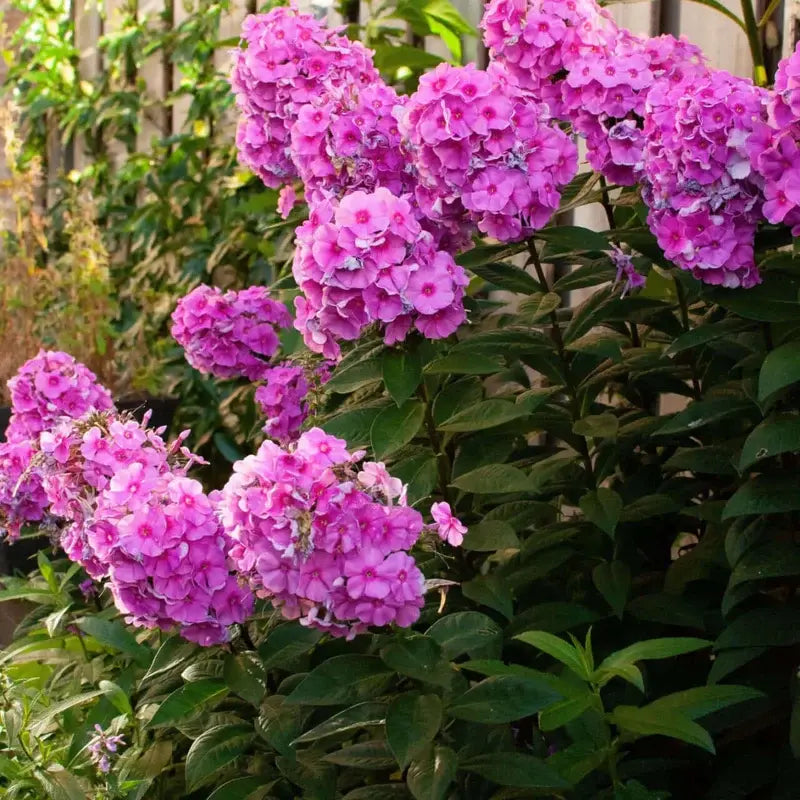
You grow Garden Phlox when you want bright summer color and a sweet fragrance in your garden. It produces tall clusters of pink, purple, and white flowers that make your space look soft, fresh, and lively. This plant grows well in full sun and rich, well-drained soil, so it is easy to manage in most home gardens. It also attracts butterflies, bees, and hummingbirds, which brings more movement and life to your outdoor space. With proper care, it blooms for weeks and keeps your garden colorful. For more helpful plant ideas and inspiration, visit Evergreen Trees for useful gardening guides.
What Is Garden Phlox
Garden Phlox is a tall, flowering perennial plant known for its large, fragrant flower clusters that bloom in summer. It grows well in sunny gardens with rich, well-drained soil and regular but moderate watering. The plant has narrow green leaves and strong upright stems that support its colorful blooms. You grow Garden Phlox for its long flowering season, soft fragrance, and its ability to attract butterflies, bees, and other pollinators, making your garden more lively and beautiful.

Key Facts and Identification of Garden Phlox
You can easily recognize Garden Phlox by its structure, growth style, and flower clusters.
- Scientific Name: Phlox paniculata
- Family: Polemoniaceae
- Botanical Classification: Herbaceous perennial that returns every year
- Height: Typically grows 2 to 4 feet tall
- Leaves: Long, narrow, dark green leaves arranged in opposite pairs
- Flowers: Tubular blooms grouped in large pyramid-shaped clusters
- Bloom Time: Mid-summer to early fall
- Light Needs: Full sun to light afternoon shade
- Soil Type: Moist, fertile, well-drained soil
- Special Feature: Sweet fragrance and strong attraction for butterflies and hummingbirds
These key facts make Garden Phlox easy to identify and a popular choice for colorful summer gardens.
What Makes Garden Phlox Unique and How Do Its Flowers Look
You easily notice Garden Phlox for its tall, upright stems covered with dense clusters of fragrant flowers. It produces blooms in shades of pink, purple, lavender, red, and white, often with a contrasting eye in the center that makes each flower stand out. The flowers bloom for several weeks and fill your garden with a soft, sweet fragrance. As a reliable perennial, it fits well into long-term garden designs and natural landscapes. Its clean green leaves and strong stems give it a simple yet elegant garden appearance.
How Does Garden Phlox Benefit Your Garden With Color, Fragrance, and Pollinators
Garden Phlox benefits your garden by adding rich summer color, a soft sweet fragrance, and strong support for pollinators. It fills empty spaces with bright blooms in shades of pink, purple, red, and white, making your garden look full and lively. You also enjoy its gentle fragrance that spreads across your outdoor space during peak blooming season. At the same time, it attracts butterflies, bees, and hummingbirds by providing a steady nectar source. This makes Garden Phlox a beautiful and eco-friendly choice for any home garden.
Where Does Garden Phlox Grow Best
Garden Phlox grows best in open garden spaces where it receives full sunlight and has rich, well-drained soil. It is a hardy plant that adapts well to many regions, making it a popular choice for home gardens.
- Native Habitat and Distribution: Garden Phlox is native to eastern North America, where it naturally grows in meadows, woodlands, and along stream banks. It is now widely grown in home gardens because of its easy care.
- Ideal Climate and Growing Conditions: It prefers full sun and moist, fertile soil. The plant handles both warm summers and cold winters, making it suitable for many garden zones.
Overall, Garden Phlox is a flexible and reliable plant that thrives in a variety of conditions, making it a great addition to different garden styles.
When Does Garden Phlox Bloom
Garden Phlox blooms from mid-summer to early fall, depending on the climate and growing conditions. Its large flower clusters open gradually, keeping your garden colorful for many weeks. Each cluster holds many small blooms that stay fresh for a long time, giving a continuous display of color. This long blooming season makes Garden Phlox a valuable and rewarding summer perennial.
How Long Do Garden Phlox Flowers Last
Garden Phlox flowers usually last around 4 to 6 weeks during their peak blooming season. Each flower cluster keeps producing new blooms as older ones fade, so your garden stays colorful for longer. If you remove the faded flowers, you may also encourage a smaller second bloom later in the season. This long flowering period keeps your garden bright and attractive from summer into early fall.
How to Grow Garden Phlox Successfully
You can easily grow Garden Phlox in your garden with a few simple care steps. It grows best in sunny locations with rich, well-drained soil, so choosing the right spot is important for healthy development.
- Plant in full sun for the best blooms
- Use rich, moist, and well-drained soil
- Water deeply but avoid wetting the leaves
- Keep proper spacing for good air circulation
- Add mulch to maintain soil moisture and temperature
With these basic steps, Garden Phlox grows strong and rewards you with healthy plants and beautiful summer blooms.
Step-by-Step Planting Guide for Garden Phlox
You can easily grow Garden Phlox in your garden by following a few simple steps that help the plant establish strong roots and produce healthy blooms.
- Choose a sunny location with rich, well-drained soil
- Prepare the soil by loosening it and mixing in compost
- Dig a hole as deep as the root ball and twice as wide
- Place the plant carefully and fill the hole with soil
- Water deeply right after planting
- Space plants 18 to 24 inches apart for proper airflow
- Add a light layer of mulch around the base
- Remove weeds and watch for early healthy growth
How to Care for Garden Phlox Plants
Garden Phlox is easy to care for with a simple routine that supports healthy growth and strong blooming. You should water it deeply once or twice a week, focusing at the base to avoid leaf problems like mildew. Keep the soil lightly moist and refresh mulch each season to maintain good conditions. Use a balanced fertilizer in early spring to encourage full blooms. Remove faded flowers to extend blooming time, and cut back stems after the first frost to prepare the plant for winter.

How to Propagate Garden Phlox
You can easily grow new Garden Phlox plants using simple propagation methods that help the plant spread naturally in your garden.
- Divide mature plants in spring or early fall every few years
- Take stem cuttings in late spring and root them in moist soil
- Collect seeds from healthy plants and sow them in prepared beds
- Keep the soil slightly moist until new growth appears
- Replant divisions or cuttings in rich, well-drained soil
These methods help you expand your Garden Phlox collection and maintain healthy, strong plants in your garden.
When and How Should You Propagate Garden Phlox for Best Results
You can propagate Garden Phlox best in early spring or early fall when the weather is mild and the plant can establish easily. The most common method is division, where you split a mature plant into smaller sections and replant them in suitable soil. You can also take stem cuttings in late spring and root them in moist soil to grow new healthy plants.
How to Prevent Root Rot and Fungal Issues in Garden Phlox
You can prevent root rot and fungal issues in Garden Phlox by managing soil, watering, and airflow properly. These problems, including powdery mildew, usually develop in wet conditions or when air circulation is poor. With simple care, you can keep your plant healthy and strong.
- Use well-drained soil to prevent water buildup
- Water at the base instead of wetting the leaves
- Maintain proper spacing for good air circulation
- Remove dead leaves and plant debris regularly
- Choose mildew-resistant varieties when available
- Avoid planting in low areas where water collects
Who Should Grow Garden Phlox
You should grow Garden Phlox if you want a colorful, fragrant perennial for your summer garden. It is ideal for sunny spaces and adds strong vertical color to flower beds. It also attracts butterflies and hummingbirds, making your garden more lively.
Is Garden Phlox Safe or Toxic
Garden Phlox is generally safe to grow in home gardens and is not considered toxic. You can keep it around pets and children, but it is not meant for eating. Some people may experience mild skin irritation after handling it.
Conclusion
Garden Phlox is a beautiful and easy-to-grow plant that brings bright color and a sweet fragrance to your garden. You enjoy its long blooming season, low-maintenance care, and strong support for pollinators like bees and butterflies. With the right soil, sunlight, and simple care, it stays healthy and flowers well year after year. If you are looking for a reliable summer perennial for your garden, Garden Phlox is a great choice to start with. For more helpful plant ideas and garden inspiration, you can visit Evergreen Trees and explore useful gardening guides.
FAQs
Why should I grow Garden Phlox in my garden?
Garden Phlox adds bright summer color, sweet fragrance, and strong vertical appeal to your garden. It is easy to grow and also attracts butterflies, bees, and hummingbirds.
What is Garden Phlox, and how do I identify it?
Garden Phlox is a tall flowering perennial with fragrant flower clusters and narrow green leaves. It grows on strong upright stems and blooms in many soft colors.
When does Garden Phlox bloom?
It blooms from mid-summer to early fall, with large clusters of small flowers. Each cluster lasts for several weeks, giving long-lasting color.
What are the benefits of Garden Phlox?
It adds color and fragrance, supports pollinators like butterflies and hummingbirds, and fills garden beds with classic summer beauty.
Where does Garden Phlox grow best?
It grows best in sunny areas with rich, moist, and well-drained soil, especially in open garden beds and mixed flower borders.
