
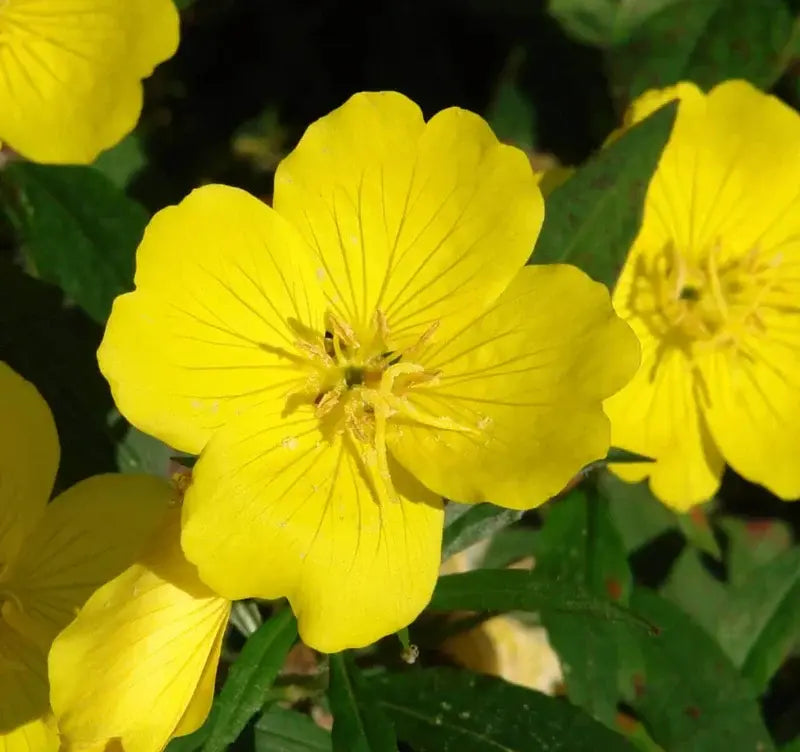
You grow Evening Primrose to bring soft color and natural beauty to your garden, especially in the evening. Its bright yellow flowers open at night and create a calm, unique look in your space. This plant is easy to grow and does well in different soil conditions, making it a good choice for beginners. It also attracts pollinators like bees and butterflies, adding life to your garden. If you want more ideas and plant guides, you can explore Evergreen Trees for helpful tips and inspiration to improve your garden setup.
What Is Evening Primrose?
Evening Primrose is a flowering plant known for its yellow blooms that open in the evening. You see it grow easily in different soil and weather conditions. It has green leaves and tall stems that give a simple, natural look. You grow it for its beauty and low-maintenance nature.

Key Facts and Identification
You can easily understand and identify Evening Primrose by looking at these key details:
- Scientific Name: Oenothera biennis
- Family: Onagraceae
- Botanical Classification: A biennial flowering plant that completes its life cycle in two years
- Ideal Climate and Growing Conditions: Grows well in full sun to partial shade and adapts to different soil types with good drainage
- Blooming Season and Flowering Cycle: Blooms in late spring to summer, with flowers opening at night and lasting for a short time
Unique Features and Flower Characteristics
You notice Evening Primrose for its bright yellow flowers that open in the evening and create a soft, calm look in your garden. The flowers have smooth, delicate petals and a light fragrance that makes the space feel fresh. They bloom quickly and often last for a short time, adding a unique daily cycle to your garden. As a popular choice among perennial plants, it fits well in long-term garden planning and natural layouts. The plant grows on tall stems with simple green leaves, giving it a clean and natural appearance.
Benefits for Health, Beauty, and Pollinators
Evening Primrose adds soft color and a calm, natural look to your garden. Its oil is also used in skincare for its soothing benefits. The plant attracts bees and butterflies, helping improve pollination and supporting a healthy garden ecosystem.
Where Does Evening Primrose Grow Best?
Evening Primrose grows well in natural open spaces where it can get enough sunlight and good soil drainage. It is a hardy plant that adapts easily to different environments, making it a good choice for many gardens.
- Native Habitat and Distribution: You find Evening Primrose mainly in North America, where it grows in fields, roadsides, and open grasslands. It has also spread to other regions because it adapts easily.
- Ideal Climate and Growing Conditions: It grows best in full sun with well-drained soil. It can handle dry conditions and mild climates, making it easy to maintain in home gardens.
Overall, Evening Primrose is a flexible plant that thrives in many conditions, which makes it a great addition to different types of gardens.
When Does Evening Primrose Bloom?
Evening Primrose usually blooms from late spring to summer, depending on the climate and growing conditions. Its flowers open in the evening and often last through the night, creating a soft and beautiful glow in your garden. Each bloom is short-lived, but new flowers keep appearing during the blooming season. This night-opening cycle makes the plant unique and interesting to observe.

How Long Do Evening Primrose Flowers Last?
You will notice that Evening Primrose flowers last only for one night or a single day after blooming. Each flower opens in the evening and fades by the next day. However, the plant keeps producing new blooms throughout the season, so your garden stays active and colorful. This short but continuous flowering cycle gives your garden a unique and interesting look.
How to Grow Evening Primrose Successfully
You can easily grow Evening Primrose in your garden if you follow a few simple steps. This plant does well in sunny areas with well-drained soil, so you should choose a suitable spot first. It does not need heavy care, but proper attention in the beginning helps it grow strong and healthy.
- Plant seeds in full sun or light shade
- Use well-drained and slightly sandy soil
- Water lightly, avoiding overwatering
- Space plants properly for good airflow
- Remove weeds around the plant for better growth
With basic care, you can enjoy healthy growth and beautiful blooms.
Step-by-Step Planting Guide of Evening Primrose
You can grow Evening Primrose easily in your garden by following simple steps that help the plant establish well and bloom properly.
- Choose a sunny spot in your garden with well-drained soil
- Prepare the soil by loosening it and removing weeds
- Sow the seeds directly on the soil surface and press lightly
- Cover seeds with a thin layer of soil
- Water gently to keep the soil moist but not wet
- Space plants properly so they can grow freely
- Watch for early growth and remove competing weeds
With these steps, you can successfully grow Evening Primrose and enjoy its beautiful blooms.
How to Care for Evening Primrose Plants
You can take care of Evening Primrose easily with a simple routine that supports healthy growth and good flowering. Water the plant lightly and regularly, but avoid overwatering because too much moisture can damage the roots. Keep the soil slightly moist and make sure it drains well. For fertilizing, you can use a mild fertilizer during the growing season to support better blooms, and always keep the soil loose and healthy. In terms of pruning and seasonal care, you should remove dead flowers and dry leaves to encourage new growth, and reduce watering during colder months when the plant naturally slows down.
How to Propagate Evening Primrose
You can easily propagate Evening Primrose using simple methods that help the plant grow naturally in your garden.
- Collect seeds from mature plants after the flowering season
- Sow seeds directly in well-prepared, well-drained soil
- Press seeds lightly without burying them too deeply
- Keep the soil slightly moist until germination starts
- Allow natural self-seeding for easy spread each year
Best Time and Methods for Propagation
You can propagate Evening Primrose best in early spring or early fall when the weather is mild. The easiest method is direct seed sowing in well-drained soil with light moisture until germination. You can also let the plant self-seed naturally for easy spreading each year.
How to Prevent Root Rot and Fungal Issues
You can prevent root rot and fungal problems in Evening Primrose by taking care of the soil and watering habits. These issues usually happen when the soil stays too wet or does not drain properly. Good airflow and proper garden care help keep the plant healthy.
- Use well-drained soil to avoid water buildup
- Do not overwater the plant; keep the soil slightly moist
- Ensure proper spacing for good air circulation
- Remove dead leaves and plant debris regularly
- Avoid planting in low areas where water collects
Solutions for Poor Growth and Flowering Issues
If your Evening Primrose is not growing well or producing fewer flowers, it usually means the plant is not getting the right conditions. You can improve growth by making sure it gets enough sunlight, as this plant needs full sun for healthy flowering. Check the soil and keep it well-drained because poor drainage can slow growth. Avoid overwatering and use a light fertilizer during the growing season to support blooming. Also, remove weeds around the plant so it can get proper nutrients and space. With these simple steps, you can improve both growth and flowering.
Who Should Grow Evening Primrose?
You should grow Evening Primrose if you want a low-maintenance plant that adds natural beauty to your garden. It is a great choice for beginners because it is easy to grow and does not need heavy care. If you like plants that attract bees and butterflies, this is also a good option. It works well in sunny gardens and open spaces where you want soft color and a natural look.
Is Evening Primrose Safe or Toxic?
Evening Primrose is generally considered safe to grow in home gardens. You can keep it around pets and children without major concern, especially when it is only used as a decorative plant. However, it is not meant for direct consumption unless used in processed oil form for specific purposes. Some people may still experience mild sensitivity if they handle large amounts of the plant. Overall, it is a safe and garden-friendly plant when used for landscaping and ornamental purposes.
Conclusion
Evening Primrose is a beautiful and easy-to-grow plant that adds natural charm to your garden. You can enjoy its bright evening blooms, low-maintenance care, and benefits for pollinators all in one plant. When you understand its growth needs and simple care tips, it becomes even easier to keep it healthy and thriving. If you are looking for a reliable flowering plant for your garden, Evening Primrose is a great choice to start with and enjoy year after year.
FAQs
Why should I grow Evening Primrose in my garden?
Evening Primrose adds soft yellow blooms, natural beauty, and evening charm to your garden. It is easy to grow and also attracts bees and butterflies.
What is Evening Primrose, and how do I identify it?
Evening Primrose is a flowering plant with yellow evening-blooming flowers and green leaves. It grows easily in many soils and has a simple, natural appearance.
When does Evening Primrose bloom?
It blooms from late spring to summer, with flowers opening in the evening. Each bloom lasts only one night, but new flowers keep appearing regularly.
What are the benefits of Evening Primrose?
It enhances garden beauty, supports pollinators like bees and butterflies, and its oil is also used in skincare for natural benefits.
Where does Evening Primrose grow best?
It grows best in sunny areas with well-drained soil, especially in open spaces like fields or home gardens with mild climates.
