
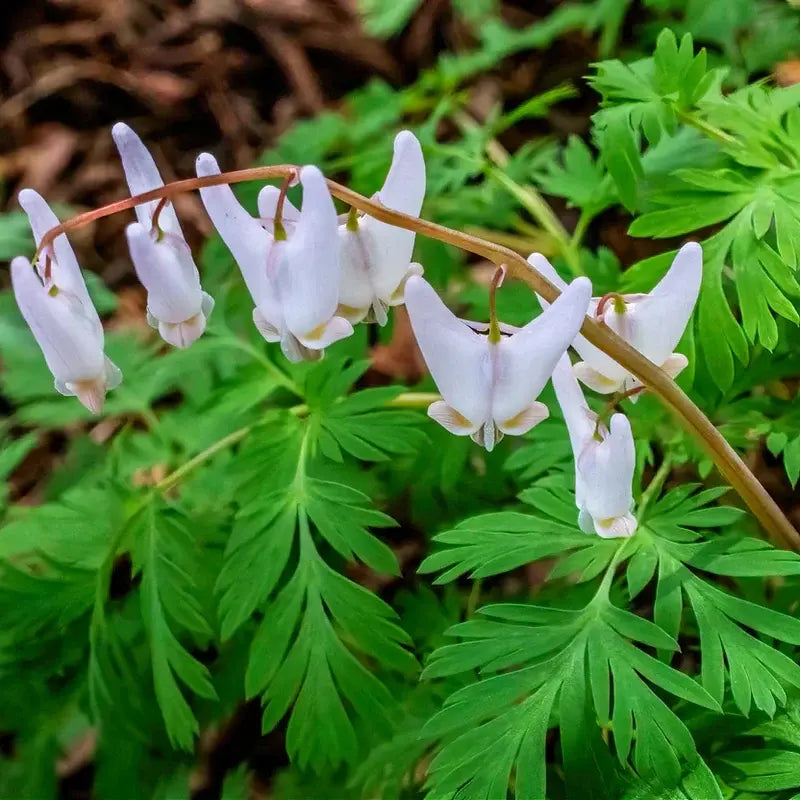
You grow Dutchman’s Breeches to add soft woodland beauty to your shady spring garden. It produces unique white flowers shaped like tiny pantaloons that give your space a delicate and charming look. This plant grows best in moist, shaded areas with rich soil, making it perfect for natural woodland-style gardens. It also attracts early-season bumblebees and supports pollination when few other plants are blooming. For more plant ideas and garden inspiration, you can visit Evergreen Trees to explore helpful gardening guides and improve your outdoor space.
What Is Dutchman’s Breeches
Dutchman’s Breeches is a small spring wildflower known for its unique white flowers that look like tiny upside-down pants. It naturally grows in shaded woodland areas where the soil is rich and moist. The plant has soft, fern-like leaves and short stems that give it a delicate, airy appearance. You grow it for its charming spring blooms and its easy care in woodland-style gardens.

Key Facts and Identification of Dutchman’s Breeches
You can easily identify Dutchman’s Breeches by its unique spring growth and delicate flower shape.
- Scientific Name: Dicentra cucullaria
- Family: Papaveraceae
- Botanical Classification: Spring ephemeral perennial that goes dormant after blooming
- Height: 6 to 12 inches tall
- Leaves: Finely divided, fern-like, blue-green foliage
- Flowers: Small white pantaloon-shaped blooms with yellow tips
- Bloom Time: Early to mid-spring
- Light Needs: Partial to full shade
- Soil Type: Moist, rich, humus-filled, well-drained soil
- Special Feature: Unique pants-shaped flowers that hang in a row on slender stems
These features make Dutchman’s Breeches a distinctive and charming woodland wildflower.
What Makes Dutchman’s Breeches Unique
You notice Dutchman’s Breeches for its tiny white, pantaloons-shaped flowers that bloom in early spring. It grows low in shaded woodland areas with soft, fern-like leaves, giving a gentle natural look. This spreads in moist, rich soil and adds early seasonal beauty to your garden before most other plants appear.
What Are the Unique Features of Dutchman’s Breeches
You easily recognize Dutchman’s Breeches for its small white flowers that look like tiny hanging pantaloons. The blooms grow in neat rows along a thin arching stem, giving your garden a soft woodland feel. They bloom for a short time in spring and add a peaceful touch to shaded garden areas. As a perennial plant, it fits well in natural garden designs with its soft fern-like leaves and delicate appearance.
How Does Dutchman’s Breeches Benefit Beauty, Wildlife, and Shade Gardens
Dutchman’s Breeches brings soft spring beauty and a natural woodland look to shady garden spaces. You notice its unique pantaloons-shaped flowers that add gentle charm to your garden in early spring. It also supports early pollinators like bumblebees by providing an important nectar source when few plants are blooming. The plant fills empty shaded areas with delicate foliage and creates a peaceful, natural ground layer during the cool season.
Where Does Dutchman’s Breeches Grow Best
Dutchman’s Breeches grows best in cool, shaded woodland areas with rich, moist, and well-drained soil. It prefers soft light and forest-like conditions, making it a great choice for shade gardens. The plant naturally goes dormant in summer after its spring growth cycle.
- Native Habitat and Distribution: Found mainly in eastern North America, where it grows in forests, rocky slopes, and along stream banks. It is also popular in home gardens for shaded, natural landscapes.
- Ideal Climate and Growing Conditions: It thrives in partial to full shade with organic-rich, moist soil. The plant prefers cool spring weather and becomes dormant when temperatures rise in summer.
Overall, Dutchman’s Breeches is a reliable shade-loving plant that fits perfectly in woodland and cottage-style gardens.
When Does Dutchman’s Breeches Bloom
Dutchman’s Breeches blooms in early to mid-spring, depending on the local climate and growing conditions. Its small white, pantaloons-shaped flowers appear in neat clusters and last for a few weeks, adding a soft spring display to your garden. Each cluster hangs gracefully along thin stems, creating a delicate woodland look. This short but beautiful bloom period makes it a charming and popular early spring wildflower.

How Long Do Dutchman’s Breeches Flowers Last
Dutchman’s Breeches flowers usually last for about 2 to 3 weeks during their peak spring bloom. After flowering, the plant slowly goes dormant and its leaves disappear until the next season. Even though the bloom time is short, its unique pantaloons-shaped flowers add a special charm to shaded gardens. As a perennial wildflower, it returns every spring and brings fresh beauty year after year.
How to Grow Dutchman’s Breeches Successfully
You can easily grow Dutchman’s Breeches in your garden with a few simple steps. It grows best in shady areas with rich, moist, and well-drained soil, so choosing the right spot is very important. The plant needs little care once established but grows better with proper early attention.
- Plant in partial to full shade for best growth
- Use rich, moist, and well-drained soil
- Add leaf mulch or compost to mimic woodland conditions
- Space plants properly to allow natural spreading
- Avoid disturbing the soil after planting
With these simple steps, you can enjoy healthy growth and beautiful early spring blooms.
Step-by-Step Planting Guide for Dutchman’s Breeches
You can easily grow Dutchman’s Breeches in your garden by following a few simple planting steps that help the plant establish healthy roots and bloom properly in spring.
- Choose a shady spot with cool, rich soil
- Prepare the soil by loosening it and adding compost or leaf mold
- Plant tubers or young plants in early fall or early spring
- Place tubers 2 to 3 inches deep with the pointed side facing up
- Water gently to keep the soil lightly moist
- Space plants 6 to 10 inches apart for natural spreading
- Add a thin layer of leaf mulch to keep the soil cool
- Avoid disturbing the area once early spring growth appears
Following these steps helps Dutchman’s Breeches grow healthy and produce delicate spring blooms each year.
How to Care for Dutchman’s Breeches Plants
Dutchman’s Breeches is easy to care for when you keep the soil lightly moist during spring growth and avoid overwatering. Add fresh mulch each year to protect the roots and maintain cool soil conditions. You can also apply a light layer of compost in early spring for healthy growth. Let the leaves fade naturally after blooming so the plant can store energy and return strong next season.
How to Propagate Dutchman’s Breeches
You can easily propagate Dutchman’s Breeches using simple methods that help it spread naturally in woodland-style gardens.
- Divide mature tubers in late summer or early fall when the plant is dormant
- Replant the small bulb-like tubers in rich, shaded soil
- Collect seeds from mature plants and sow them in moist garden beds
- Keep the soil lightly moist until new growth appears
- Allow the plant to self-seed naturally for gradual spreading
These methods help Dutchman’s Breeches grow steadily and form a beautiful woodland patch over time.
When and How Should You Propagate Dutchman’s Breeches
You can propagate Dutchman’s Breeches best in late summer or early fall when the plant becomes fully dormant. The easiest method is dividing the small tubers and replanting them in rich, shaded soil. You can also grow it from seeds, but they need cool, moist conditions and take longer to sprout successfully.
How to Prevent Root Rot and Fungal Issues in Dutchman’s Breeches
You can prevent root rot and fungal problems in Dutchman’s Breeches by managing soil moisture and improving growing conditions. These issues usually occur when the soil stays too wet or drains poorly. Proper care and airflow help keep the plant healthy.
- Use well-drained soil to prevent water buildup
- Avoid overwatering and keep soil lightly moist
- Maintain proper spacing for good air circulation
- Remove dead leaves and plant debris regularly
- Apply a thin layer of mulch, avoiding the stem base
- Do not plant in low areas where water collects
Who Should Grow Dutchman’s Breeches?
You should grow Dutchman’s Breeches if you want a unique spring wildflower that brings soft woodland beauty to shaded garden areas. It is ideal for gardeners who enjoy natural, forest-style planting and low-maintenance plants. You can also grow it if you like early spring blooms and want to attract bumblebees to your garden. This plant works best in shaded spots, under trees, and along borders where you want a calm and gentle garden look.
Best Companion Plants for Natural Appeal
Here are some of the best companion plants you can grow with Dutchman’s Breeches to create a balanced woodland garden:
- Trillium: Adds simple spring flowers that match the woodland look
- Virginia Bluebells: Brings soft blue blooms that pair well with white flowers
- Ferns: Provides soft texture and a natural forest-like feel
- Wild Ginger: Works as ground cover and keeps soil cool and moist
- Hostas: Fills empty shady spaces with large, decorative leaves
- Bloodroot: Offers early white blooms that match the spring season
These plants grow well together and help you create a natural, peaceful woodland garden with full seasonal beauty.
Is Dutchman’s Breeches Toxic or Safe
Dutchman’s Breeches is not safe to eat, as it contains natural compounds that can cause stomach upset if swallowed. You should keep it away from pets and children to avoid any risk. It is generally safe to grow as an ornamental plant, but avoid consuming or prolonged direct handling.
Conclusion
Dutchman’s Breeches is a beautiful and easy-to-grow plant that adds a soft woodland charm to your shady garden. You enjoy its unique pantaloon-shaped flowers, low-maintenance care, and natural forest-like look all in one plant. With simple care and the right shaded conditions, it stays healthy and returns every spring. If you are looking for a reliable spring wildflower for your shade garden, it is a great choice to start with. For more helpful plant ideas and garden inspiration, you can visit Evergreen Trees and explore useful gardening guides.
FAQs
Why should I grow Dutchman’s Breeches in my garden?
Dutchman’s Breeches adds soft spring charm, unique pantaloon-shaped flowers, and a natural woodland feel to your garden. It is easy to grow and also supports early pollinators like bumblebees.
What is Dutchman’s Breeches, and how do I identify it?
Dutchman’s Breeches is a spring wildflower with white pantaloon-shaped blooms and soft, fern-like leaves. It grows in shady, moist areas and has a delicate, natural appearance.
When does Dutchman’s Breeches bloom?
It blooms in early to mid-spring, with flowers lasting about 2 to 3 weeks. After blooming, the plant goes dormant until the next spring.
What are the benefits of Dutchman’s Breeches?
It adds woodland beauty, supports early pollinators like bumblebees, and fills shady spaces with delicate spring blooms and soft foliage.
Where does Dutchman’s Breeches grow best?
It grows best in shady areas with moist, rich, and well-drained soil, especially in woodland gardens and natural shaded spaces.
