
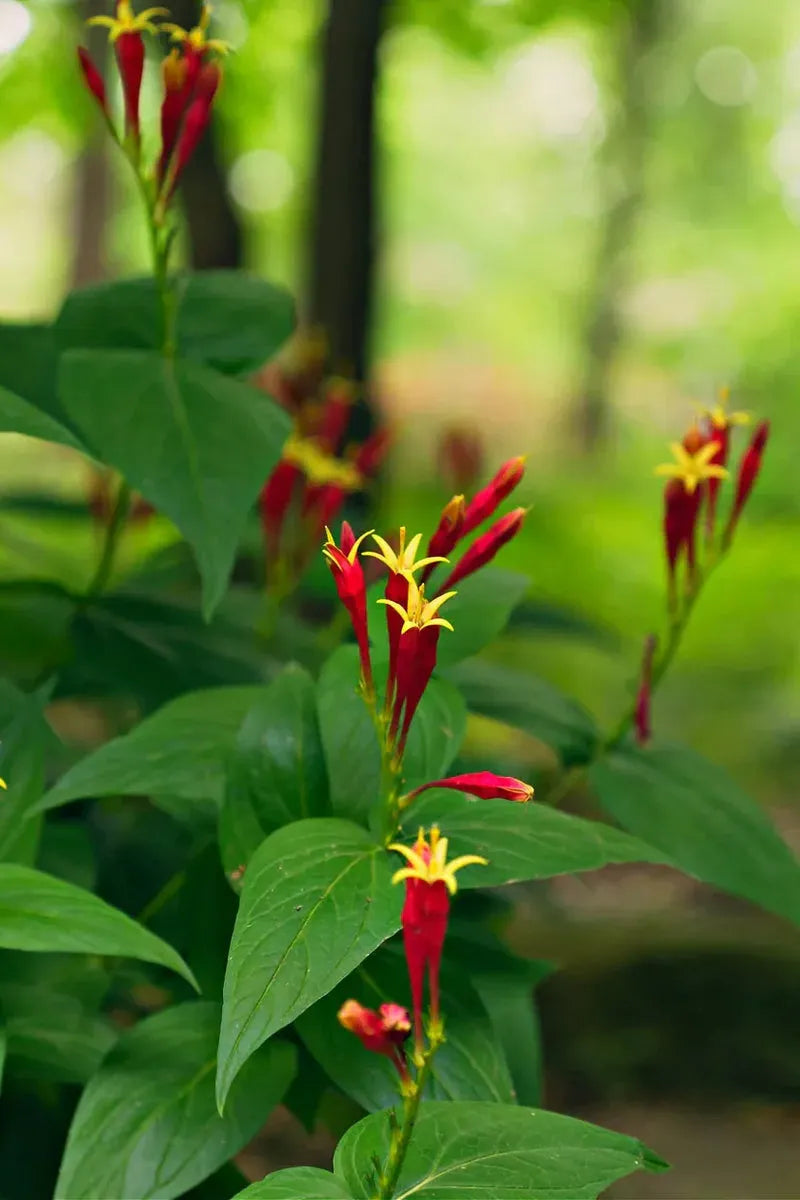
If you want more butterflies and hummingbirds in your garden, the Fire Pink Plant can be your secret weapon. This bright red native plant grabs attention with its star-shaped flowers and long bloom time. When you grow Fire Pink Plant, you create a natural food source that attracts pollinators again and again. It grows well in sunny spots and handles different soil types with ease. You do not need complicated care to keep it healthy. With Fire Pink Plant in your space, you turn a simple garden into a lively, colorful, pollinator-friendly haven.
What is a Fire Pink Plant?
Fire Pink is a bright native flowering plant that adds bold red color to your garden. You see star-shaped blooms in spring and early summer that attract hummingbirds and butterflies. It grows well in sunny or lightly shaded areas with well-drained soil. If you want an easy plant that supports pollinators, Fire Pink is a great choice.

Why Fire Pink Is a Popular Native Wildflower
Fire Pink is a standout native wildflower that instantly brightens any garden.
- Adds Color: Fire Pink adds bold red color and natural charm to your garden.
- Attracts Wildlife: Its bright blooms attract hummingbirds and butterflies, making your garden lively.
- Native & Easy: As a native wildflower, it adapts well to local climates and requires minimal care.
- Supports Pollinators: Planting Fire Pink supports pollinators while keeping your garden simple and beautiful.
With Fire Pink in your garden, you enjoy vibrant blooms and a lively, pollinator-friendly space all season long.
What Makes the Fire Pink So Visually Distinct?
Fire Pink stands out in any garden because of its striking red, star-shaped flowers that instantly catch your eye. The blooms rise above fresh green leaves on slender stems, creating a bold contrast. Its unique shape and vivid color make it easy to spot among other plants, while the bright flowers attract hummingbirds and butterflies, adding movement and life to your garden. If you want a plant that truly makes a visual statement, Fire Pink is hard to beat.
How to Identify Fire Pink by Its Shape and Seasonal Bloom
- Star Shaped Flowers: Fire Pink produces small, bright red, star-shaped flowers that are easy to spot.
- Slender Stems: Blooms grow on thin, upright stems above fresh green foliage.
- Spring to Early Summer Bloom: Flowers appear in spring and early summer, creating a bold splash of color.
- Leaf Shape: Leaves are lance-shaped and grow in pairs along the stem, adding a lush green backdrop.
Recognizing these features helps you spot Fire Pink in your garden or in the wild, making it a standout native wildflower.
What is the Scientific Name and Family of Fire Pink?
- Scientific Name: Silene virginica
- Family: Caryophyllaceae, a group known for bright and easy-to-grow flowering plants
- Native Wildflower: Being part of this family, Fire Pink shares traits with other pollinator-friendly native plants
Knowing its scientific name and family makes it easier to identify Fire Pink and explore similar wildflowers from Evergreen Trees for your garden.

Best Companion Plants for Fire Pink
The following are some great companion plants that pair well with Fire Pink in your garden:
- American Arborvitae: A classic evergreen that provides a year‑round green backdrop and structure.
- Green Giant Arborvitae: Fast growing evergreen, perfect for privacy screens near flowering areas.
- Loblolly Pine Tree: A hardy pine that adds height and year‑round color.
- White Pine Tree: Soft green needles contrast nicely with bright Fire Pink blooms.
- Southern Magnolia: Evergreen tree with glossy leaves that pairs well with colorful flowering plants.
- Sweet Bay Magnolia: Evergreen with fragrant blooms and lovely foliage.
These evergreens create a lush green background and structure for your Fire Pink, helping the bright red flowers stand out while keeping your garden beautiful all year round.
Is Fire Pink a Perennial Plant?
Yes, Fire Pink is a perennial plant , which means it comes back year after year. Once established, it grows from the same roots each season, providing consistent blooms without replanting. This makes it a low-maintenance choice for your garden while continuing to attract hummingbirds and butterflies every year.
Why Gardeners Everywhere Are Obsessed with Fire Pink?
- Bold Color: Bright red, star-shaped flowers instantly stand out in any garden.
- Attracts Wildlife: Hummingbirds and butterflies are drawn to its blooms, adding life and movement.
- Low Maintenance: As a native wildflower, it grows easily and adapts well to local climates.
- Versatile Planting: Perfect for borders, cottage gardens, and pollinator-friendly landscapes.
With Fire Pink in your garden, you get a combination of stunning color, wildlife activity, and effortless charm all season long.
Why Fire Pink Is Essential for Attracting Wildlife
- Hummingbird Favorite: Its bright red blooms provide nectar that hummingbirds love.
- Butterfly Friendly: Attracts butterflies, giving them food and a place to visit.
- Supports Pollinators: Bees and other beneficial insects are drawn to its flowers.
- Creates a Lively Garden: Wildlife activity makes your garden feel vibrant and full of life.
Planting Fire Pink ensures your garden becomes a thriving habitat for pollinators and other friendly wildlife.
Where Does the Fire Pink Plant Grow Naturally?
- Native Habitat: Found across eastern North America, especially in woodlands and rocky slopes.
- Soil Preference: Thrives in well-drained soils, often in slightly acidic conditions.
- Light Needs: Grows best in sunny or lightly shaded spots.
- Natural Landscape: Common in open forests, along streams, and in natural garden settings.
Knowing where Fire Pink grows naturally helps you recreate ideal conditions for a healthy, vibrant plant in your garden.
What Are the Ideal Hardiness Zones for Fire Pink?
- USDA Zones: Thrives in zones 3 to 8.
- Climate Adaptability: Can handle cold winters and warm summers within these zones.
- Sun & Soil: Prefers sunny to lightly shaded areas with well-drained soil.
- Garden Success: Planting within these zones ensures strong growth and vibrant blooms.
Choosing the right hardiness zone helps your Fire Pink flourish year after year with minimal care.
How to Plant Fire Pink Step-by-Step for Garden Success
- Select Location: Choose a sunny or lightly shaded spot with well-drained soil.
- Prepare Soil: Loosen the soil and mix in compost or organic matter for better growth.
- Planting: Dig a hole slightly larger than the root ball and place the plant carefully.
- Spacing: Keep plants 12 to 18 inches apart to allow room for growth and airflow.
- Watering: Water thoroughly after planting and keep the soil moist until established.
- Mulch: Apply a light layer of mulch to retain moisture and reduce weeds.
Following these steps helps your Fire Pink establish quickly and bloom beautifully in your garden.
How and When to Trim for Maximum Blooms
- Timing: Trim after the main flowering period, usually in late summer.
- Deadheading: Remove spent flowers regularly to encourage new blooms.
- Light Pruning: Cut back any weak or leggy stems to promote stronger growth.
- Avoid Heavy Cutting: Only trim selectively to keep the natural shape and structure.
By trimming Fire Pink correctly, you help it stay vibrant and enjoy a longer, more colorful blooming season.
How to Prevent and Manage Common Fire Pink Issues
- Pests: Watch for aphids or caterpillars and remove them by hand or use gentle insecticidal soap.
- Diseases: Prevent fungal problems by planting in well-drained soil and avoiding overhead watering.
- Overcrowding: Space plants properly to improve air circulation and reduce disease risk.
- Wilting: Keep soil consistently moist, especially during hot, dry periods.
By managing these issues early, your Fire Pink will continue to bloom beautifully and attract pollinators all season long.
Why Fire Pink Is Not Blooming
- Insufficient Sunlight: Fire Pink needs full sun or light shade to produce flowers.
- Poor Soil: Heavy or poorly drained soil can prevent healthy blooms.
- Overcrowding: Plants too close together reduce airflow and flowering.
- Nutrient Deficiency: Lack of nutrients, especially phosphorus, can limit flower production.
- Improper Watering: Too much or too little water can stress the plant and stop blooming.
Addressing these factors helps your Fire Pink thrive and produce vibrant, pollinator-friendly flowers every season.
How to Manage Fire Pink Pests and Diseases
- Aphids & Caterpillars: Remove by hand or spray with mild insecticidal soap.
- Fungal Issues: Plant in well-drained soil and avoid overhead watering to prevent mildew or rot.
- Proper Spacing: Ensure plants are 12–18 inches apart to improve air circulation and reduce disease risk.
- Regular Monitoring: Check leaves and stems frequently to catch problems early.
With these simple steps, you can protect your Fire Pink and enjoy a vibrant, pollinator-friendly garden all season long.
Where to Plant Fire Pink in Your Garden
Plant Fire Pink in full sun or light shade with well-drained soil for best growth. It works well in borders, cottage gardens, or naturalized areas. Placing it near pollinator-friendly spots attracts hummingbirds and butterflies while adding vibrant color to your garden.
How to Choose Healthy Fire Pink Plants
- Check Foliage: Look for green, lush leaves without yellowing or spots.
- Inspect Stems: Stems should be firm and upright, not weak or wilted.
- Examine Roots: Roots should be white and healthy, not brown or mushy.
- Avoid Pests: Make sure there are no visible insects or signs of disease.
Selecting healthy plants helps your Fire Pink establish quickly and thrive, giving you a colorful, pollinator-friendly garden.
When Is the Best Time to Plant Fire Pink?
The best time to plant Fire Pink is in spring or early fall when temperatures are mild. Planting during these seasons helps the roots establish before extreme heat or cold sets in. With proper soil and sunlight, your Fire Pink will settle in quickly and produce vibrant blooms in the coming season.
Conclusion
Fire Pink is the perfect plant if you want a garden that feels full of life and color. Its bright red, star-shaped flowers attract hummingbirds, butterflies, and pollinators, keeping your garden active all season. It comes back every year, needs very little care, and adds a natural, cheerful charm wherever you plant it. Whether in borders, cottage gardens, or near other pollinator-friendly plants, Fire Pink turns ordinary spaces into eye catching spots. If you want easy, vibrant, and wildlife-friendly blooms, Fire Pink is a must-have for your garden.
FAQs
Is Fire Pink Easy to Grow for Beginners?
Yes, Fire Pink is easy to grow for beginners. It adapts well to sunny or lightly shaded spots and needs minimal care once established.
Does Fire Pink Come Back Every Year?
Yes, Fire Pink is a perennial plant, so it comes back every year from the same roots, providing vibrant blooms season after season.
Is Fire Pink Toxic to Pets or Humans?
No, Fire Pink is non-toxic to pets and humans, making it a safe and colorful addition to your garden.
How Long Does Fire Pink Live?
Fire Pink is a perennial plant that can live for several years, often 5 to 10 years or more, with proper care.
Is Fire Pink Deer-Resistant?
Yes, Fire Pink is generally deer resistant, so it can thrive in gardens where deer are common without being eaten.
