
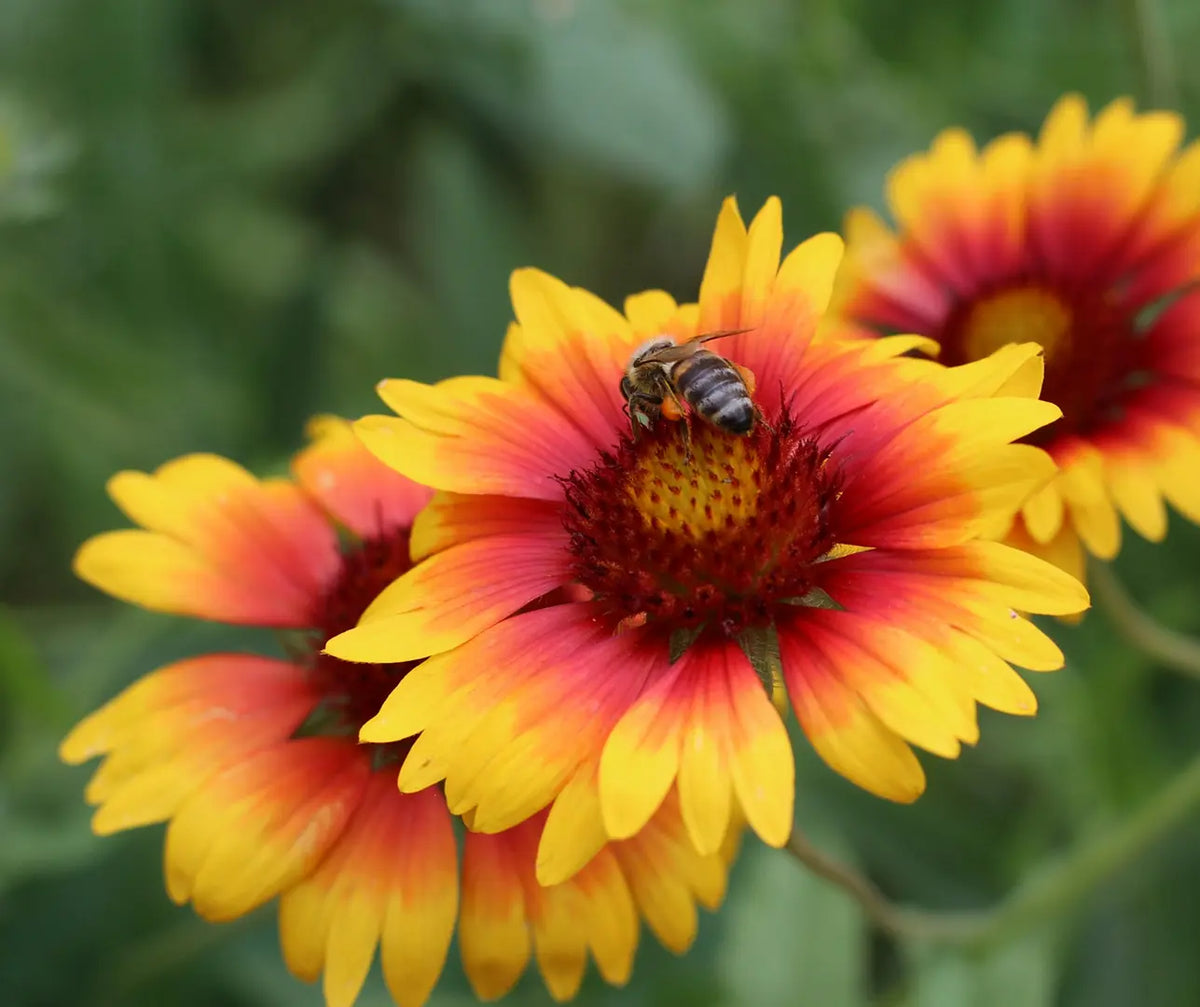
If you want a garden that looks bright without demanding constant care, Blanket Flowers are perfect. You plant them once, and they keep blooming for months with very little effort. They handle heat, dry soil, and strong sun without stress. You do not need to water them daily or feed them heavily. Just give them sunlight and simple care, and they reward you with bold color all season. If you love easy-growing plants, you can explore more hardy flowering options at Evergreen Trees to build a stress-free garden.
What Is Blanket Flower and Why Is It So Popular?
Blanket Flower is a bright, daisy-like plant that shows off bold red, orange, and yellow blooms throughout summer. You get long-lasting color that instantly makes your garden lively and cheerful.
It’s popular because it grows easily with very little care. The plant handles heat, dry soil, and strong sun without trouble, making it perfect for gardeners who want beauty without extra work.

Characteristics of Blanket Flower
If you want a colorful and easy-care plant, Blanket Flower is a perfect choice. Here are its main characteristics:
- Bright Blooms: Flowers appear in bold shades of red, orange, and yellow.
- Distinct Centers: Each bloom has a dark center that makes the petals stand out.
- Strong Stems: Plants grow on sturdy stems that support heavy flowers.
- Green Foliage: Leaves are green, slightly fuzzy, and stay healthy in heat.
- Long Blooming Season: Flowers appear from late spring to early fall.
- Hardy & Drought Tolerant: Survives hot, dry conditions with minimal care.
These traits make Blanket Flower an ideal plant for gardeners who want beauty without extra effort.
Why You Should Grow Blanket Flowers
If you want a garden full of color without spending too much time on care, Blanket Flowers are a smart choice.
- Long Blooming Season: Enjoy vibrant flowers from late spring to early fall.
- Attracts Pollinators: Bees and butterflies love the bright blooms.
- Low Maintenance: Requires minimal watering and care.
- Versatile Planting: Works in flower beds, borders, and containers.
Growing Blanket Flowers gives you a lively, cheerful garden with little effort, making them perfect for any gardener.
Ideal for Low-Maintenance Gardeners
Blanket Flowers are perfect if you want a colorful garden with little effort. They grow easily, handle heat and dry soil, and bloom continuously. Their resilience against pests and low care needs make them ideal for any low-maintenance garden.

Why Blanket Flowers Are the Most Popular Choice for Gardeners
Gardeners love Blanket Flowers for many reasons. Here are the key points:
- Long Lasting Color: Blooms from late spring to early fall.
- Low Maintenance: Requires minimal care and watering.
- Heat & Drought Tolerant: Thrives in full sun and dry soil.
- Attracts Pollinators: Bees and butterflies love the bright flowers.
- Versatile Planting: Perfect for flower beds, borders, and containers.
- Hardy & Resilient: Strong against common garden problems.
These traits make Blanket Flowers a reliable and popular choice for any gardener.
Differences Between Annual and Perennial Varieties
If you’re choosing Blanket Flowers for your garden, it helps to know the difference between annual and perennial varieties.
- Annual Varieties: Complete their life cycle in one season, bloom heavily, and need replanting each year.
- Perennial Varieties: Come back year after year, giving you long-term color with less effort.
- Bloom Duration: Annuals often bloom earlier and more continuously, while perennials may have slightly shorter but recurring blooms.
- Maintenance: Perennials need occasional division, whereas annuals require fresh planting each spring.
Understanding these differences helps you pick the type that fits your gardening style.
Ideal Growing Conditions for Blanket Flowers
Blanket Flowers grow best in full sun, needing at least six hours of sunlight daily for bright, healthy blooms. They prefer well-draining soil, and sandy or slightly dry soil works perfectly. These plants thrive in USDA hardiness zones 3 to 10, making them suitable for many regions. They handle warm, sunny climates well and tolerate heat and dry conditions easily, making them a resilient and low-maintenance choice for any garden.
Companion Plants of Blanket Flowers
If you want to create a lively and colorful garden, pairing Blanket Flowers with the right companion plants works wonderfully. Here are some plants that grow well alongside them:
- Wild Geranium: Adds soft pink or purple blooms and shade contrast.
- Blazing Star Liatris: Tall spikes complement the low to medium height of Blanket Flowers.
- Butterfly Milkweed: Attracts pollinators and blends bright orange tones.
- Purple Coneflower: Adds height and long-lasting blooms to your garden bed.
- Creeping Phlox: Provides low ground cover and a colorful carpet effect.
These companion plants enhance your garden’s beauty and keep it lively all season while supporting pollinators and biodiversity.
How to Plant Blanket Flowers Successfully
Planting Blanket Flowers the right way ensures strong growth and long-lasting blooms. Here’s how you can do it:
- Best Time to Plant: The ideal time is in spring after the last frost. This gives the plant time to establish before the summer heat.
- Growing From Seeds or Nursery Plants: You can start from seeds indoors or plant nursery-grown seedlings directly in the garden. Seeds take longer but are cost-effective, while seedlings give faster blooms.
- Proper Spacing and Planting Depth: Space plants about 12 to 15 inches apart to allow airflow and prevent disease. Plant at the same depth they were in the pot or slightly deeper for seedlings.
Following these steps ensures your Blanket Flowers thrive and provide vibrant color all season.
Blooming Season and Flower Care
Blanket Flowers bloom from late spring to early fall, giving your garden long-lasting color. To keep them strong and healthy, use a light fertilizer once or twice during the season and remove faded flowers regularly to encourage continuous blooms. Proper sunlight and well-draining soil help stems stay sturdy and flowers vibrant. Light trimming in midsummer maintains shape and prevents legginess, while keeping an eye on pests and diseases ensures your plants stay thriving all season.
Can You Grow Blanket Flowers in Containers?
Yes, Blanket Flowers grow well in containers, making them perfect for patios, balconies, or small garden spaces. Here’s how to get the best results:
- Container Size: Choose a pot that is at least 12 inches wide and deep to give roots enough room to grow.
- Soil Mix: Use well-draining potting soil, preferably mixed with sand or perlite to prevent waterlogging.
- Watering and Drainage: Water regularly, but allow the top inch of soil to dry between watering. Ensure the pot has drainage holes to prevent root rot.
With the right container, soil, and care, Blanket Flowers will thrive and provide vibrant blooms all season.
Common Problems of Blanket Flowers and How to Avoid Them
Blanket Flowers are hardy, but you may encounter a few issues if not cared for properly. Here’s what to watch for:
- Root Rot: Caused by overly wet soil. Avoid planting in poorly draining soil and pots with drainage holes.
- Powdery Mildew: Appears in humid or crowded conditions. Prevent by spacing plants properly and ensuring good air circulation.
- Leggy Growth: Occurs when plants stretch for sunlight. Plant in full sun and trim lightly to maintain shape.
- Pests: Aphids or spider mites can appear occasionally. Monitor regularly and treat with mild insecticidal soap if needed.
By addressing these common problems early, your Blanket Flowers will stay healthy and bloom all season beautifully.
Safety and Toxicity Concerns for Humans and Pets
Blanket Flowers are generally safe for humans and pets, making them a great choice for family-friendly gardens. While the plant is non-toxic, it’s still a good idea to avoid ingesting any part of it, as it may cause mild stomach upset. When handling the plant, wash your hands afterward to prevent skin irritation, especially if you have sensitive skin. Overall, Blanket Flowers are low-risk, and you can enjoy their vibrant blooms safely around children, dogs, and cats without worry.
How to Propagate Blanket Flowers
Propagating Blanket Flowers is simple and gives you more plants for your garden. You can do it in three main ways:
- From Seeds: Collect seeds from dried flowers at the end of the season and plant them indoors or directly in the garden in spring.
- Division: Every few years, dig up mature plants and divide the root clumps to create new plants.
- Cuttings: Take healthy stem cuttings in spring or early summer and root them in a well-draining soil mix.
These methods help you expand your Blanket Flower collection easily while keeping your garden colorful and lively.
Conclusion
Blanket Flowers are perfect if you want a garden full of color without much work. They love full sun, handle heat and dry soil easily, and bloom for months. By planting them in good soil, removing faded flowers, and trimming lightly, you keep them healthy and looking great. They also attract bees and butterflies, adding life to your garden. Whether in flower beds, borders, or pots, Blanket Flowers give you cheerful, bright blooms with very little effort.
FAQs
Do Blanket Flowers Come Back Every Year?
Yes, perennial Blanket Flowers return each year, while annual varieties need replanting. In colder regions, perennials may reseed naturally to give new blooms the next season.
Do Blanket Flowers Attract Pollinators?
Yes, Blanket Flowers attract bees and butterflies with their bright blooms, adding color and supporting pollinators in your garden.
How Long Does Blanket Flower Bloom?
Blanket Flowers bloom from late spring to early fall, giving you months of vibrant color with minimal care. Regular deadheading can extend the blooming period even further.
Can Blanket Flower Grow in Poor Soil?
Yes, Blanket Flowers are tough and can grow in poor or sandy soil. They thrive best in well-draining conditions and don’t need rich soil to produce bright, long-lasting blooms.
Should You Cut Back Blanket Flowers in Fall?
Yes, cutting back Blanket Flowers in fall helps prepare the plant for winter and encourages healthy growth next season. Remove dead stems and faded blooms to keep the garden tidy and reduce the risk of disease.
