
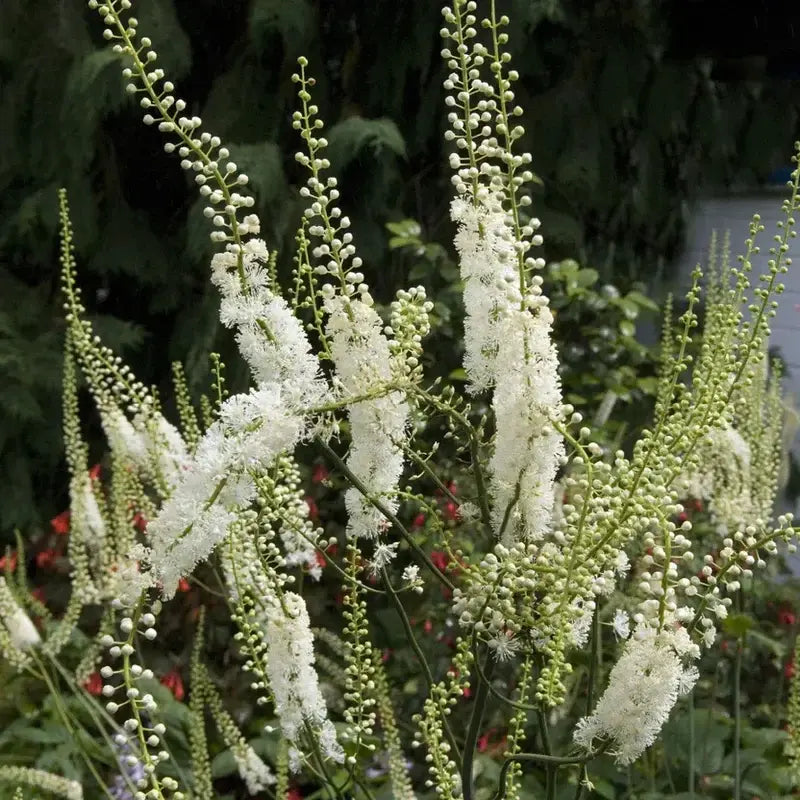
Black Cohosh Plant is a graceful woodland perennial that brings height, texture, and soft white blooms to your garden. You see tall flower spikes rising above rich green leaves, creating a bold yet elegant look in shaded spaces. This plant grows best in partial shade with moist, well-drained soil. You choose Black Cohosh Plant when you want a low-maintenance plant that adds structure and natural charm. It also has a long history of traditional use. If you love long-lasting landscape plants, you can also explore our Evergreen Trees to create year-round beauty and balance in your garden.
What is Black Cohosh Plant?
Black Cohosh Plant is a tall, shade-loving perennial plant that grows naturally in woodland areas. You see long white flower spikes rising above deep green leaves, giving your garden a soft and elegant look. This plant blooms in late spring to early summer and adds height to shaded borders. You grow it when you want structure, texture, and a natural forest feel. It is also known for its traditional herbal use, which makes it both beautiful and meaningful in your landscape.

Historical Significance and Traditional Use of Black Cohosh Plant
Black Cohosh has a rich history that combines beauty and traditional herbal use.
- Ancient Remedy: Used for centuries by Native Americans as a natural healing plant.
- Women’s Health: Traditionally supported menstrual comfort and menopause relief.
- Herbal Medicine: Roots and rhizomes were applied for inflammation and overall wellness.
- Garden Heritage: Grown not just for its beauty but also for its medicinal significance.
- Elegant Blooms: Its tall white flower spikes bring charm to shaded areas while honoring tradition.
This history makes Black Cohosh plant a meaningful and attractive addition to any woodland or shade garden.
Origins and Natural Habitat of Black Cohosh Plant
Black Cohosh is native to the woodlands of North America, thriving in shady, forested areas.
- Native Range: Found naturally in eastern and central regions of North America.
- Preferred Habitat: Grows best in moist, well-drained soils under partial to full shade.
- Forest Companion: Often seen along streams, woodland edges, and shaded garden beds.
- Climate Adaptation: Tolerates cool to moderate temperatures, making it ideal for temperate gardens.
- Wild Appeal: Its natural setting gives your garden a soft, woodland look with tall, graceful white blooms.
This plant brings a touch of North American forest charm to your shaded garden spaces.
Key Characteristics of Black Cohosh Plant
Black Cohosh is a striking perennial that adds height, texture, and elegance to shaded gardens.
- Tall Flower Spikes: Produces long, slender white blooms that rise above the foliage.
- Lush Green Leaves: Large, deeply divided leaves create a dense, textured backdrop.
- Strong Stems: Upright and sturdy stems support the tall flower spikes naturally.
- Blooming Season: Flowers appear in late spring to early summer, lasting several weeks.
- Growth Habit: Clump-forming perennial that spreads slowly, giving structure without being invasive.
These features make Black Cohosh perfect for adding both beauty and a natural forest feel to your garden.

Appearance: Leaves, Flowers, and Roots of
Black Cohosh Plant
Black Cohosh is admired for its elegant and distinctive look in woodland gardens.
- Leaves: Large, deeply divided, dark green leaves form a lush, textured base.
- Flowers: Tall, slender spikes of fragrant white flowers bloom in late spring to early summer.
- Roots: Thick, fibrous roots and rhizomes store nutrients and support traditional herbal uses.
- Overall Look: The combination of tall white flowers above rich green foliage creates a graceful and natural forest feel.
This plant’s appearance makes it both a beautiful focal point and a meaningful addition to shaded garden spaces.
Root System and Growth Patterns
Black Cohosh grows with thick underground rhizomes that store energy and help it return each year. You get deep roots that keep the plant stable and long-lasting. It forms neat clumps instead of spreading aggressively. With slow and steady growth, it becomes stronger and more reliable over time.
Health Benefits and Uses of Black Cohosh Plant
Black Cohosh is widely known for its traditional herbal benefits, especially for women’s health.
- Menopause Support: Commonly used to help reduce hot flashes, mood swings, and night sweats.
- Menstrual Comfort: Traditionally supports relief from cramps and cycle discomfort.
- Hormonal Balance: Often included in herbal remedies for natural hormone support.
- Anti-Inflammatory Properties: Used in traditional medicine to ease mild inflammation and body aches.
- Herbal Supplements: Frequently found in capsules, teas, and tinctures made from its roots.
You choose this plant not only for its graceful garden beauty but also for its long-standing role in natural wellness practices.

Traditional Medicinal Uses of Black Cohosh Plant
Black Cohosh has a long history in natural healing practices.
- Native American Use: Valued for centuries as a traditional herbal remedy.
- Root Remedies: Roots were dried and used in teas and natural preparations.
- Women’s Wellness: Commonly used to support female health concerns.
- Inflammation Support: Traditionally applied to ease minor swelling and discomfort.
Modern Health Applications of Black Cohosh Plant
Today, you find Black Cohosh widely used in herbal supplements.
- Menopause Support: Helps manage hot flashes and mood changes.
- Hormonal Balance: Often included in natural hormone support formulas.
- Supplement Forms: Available in capsules, tablets, and liquid extracts.
- Wellness Blends: Added to many women’s health products.
Relief of Menstrual and Reproductive Issues from
Black Cohosh Plant
This plant is especially known for supporting reproductive health.
- Cramps Relief: Traditionally used to ease menstrual discomfort.
- Cycle Support: Helps promote a more balanced monthly cycle.
- Menopause Comfort: Supports the body during hormonal changes.
- Reproductive Care: Included in herbal remedies for overall female wellness.
Pain Relief Properties of Black Cohosh Plant
Black Cohosh is also used for mild pain support.
- Muscle Comfort: Helps reduce everyday body aches.
- Joint Support: Used for easing mild joint stiffness
- Headache Relief: Included in some herbal blends for tension support.
- Natural Option: Offers plant-based support for minor discomfort.
How to Grow Black Cohosh Plant Successfully
You grow Black Cohosh successfully when you give it partial to full shade and moist, well-drained soil rich in organic matter. Choose a spot that feels like a natural woodland area, as this plant loves cool, shaded conditions. Water it regularly, especially during dry periods, to keep the soil slightly moist. Add compost each year to keep the roots healthy and strong. Be patient during the first year, as it grows slowly at the start, but once established, you enjoy tall, graceful blooms with very little maintenance.
Ideal Soil Type, pH, and Fertility Needs for
Black Cohosh Plant
Choosing the right soil is key to growing Black Cohosh Plant successfully.
- Soil Type: Thrives in rich, well-drained soil similar to woodland conditions.
- Soil pH: Prefers slightly acidic to neutral soil, between 5.5 and 7.0.
- Fertility: Organic matter like compost or leaf mold boosts nutrients and moisture retention.
- Root Health: Fertile soil supports strong roots and healthy growth.
- Bloom Support: Well-nourished soil encourages abundant white flowers and lush foliage.
Providing these soil conditions ensures your Black Cohosh stays healthy, strong, and visually stunning in your garden.
Sunlight, Shade, and Temperature Preferences
Black Cohosh grows best in partial to full shade, away from direct sunlight. It prefers cool to moderate temperatures and does well in temperate climates. Proper shade keeps the leaves healthy, and the right temperature helps the plant grow strong stems and produce plenty of white blooms.
Watering and Fertilization Guidelines
Black Cohosh needs consistent moisture to thrive, especially during dry periods. Water the plant regularly so the soil stays slightly moist but not soggy. Adding a layer of mulch helps retain moisture and keeps the roots cool. Fertilize annually with compost or a balanced organic fertilizer to support healthy growth, lush foliage, and abundant blooms. Regular care ensures your Black Cohosh stays strong and vibrant in shaded garden areas.
Seasonal Care and Maintenance of
Black Cohosh Plant
Caring for Black Cohosh through the seasons keeps it healthy and blooming year after year. In spring, remove any dead leaves and add compost to enrich the soil. Water consistently during dry spells to keep the roots moist. During summer, monitor for pests and ensure the plant has enough shade. In fall, cut back spent flower stalks and mulch around the base to protect roots in winter. With simple seasonal care, your Black Cohosh will return strong and graceful every year.
When and How to Plant Seeds or Saplings
Planting Black Cohosh the right way helps it grow strong from the start.
- Best Time: Plant in early spring or fall when the weather is cool.
- Location: Choose a shaded spot with rich, moist, well-drained soil.
- Planting Depth: Sow seeds shallowly or place saplings at the same depth as the pot.
- Spacing: Keep enough space between plants for proper airflow.
- Watering: Water gently after planting to help roots settle.
With the right planting steps, your Black Cohosh will establish well and grow steadily over time.

Companion Plants and Garden Placement
Choosing the right companions helps your Black Cohosh look more natural and balanced in the garden.
- Companion Plants: You can pair it with shade-loving plants like ferns, hostas, astilbe, bleeding heart, and other woodland perennials from our Evergreen Trees Store.
- Layered Look: Place it at the back of borders since it grows tall and adds height.
- Woodland Setting: Combine with mixed shade plants to create a natural forest-style garden.
- Spacing: Keep enough room around it so nearby plants do not compete for moisture.
- Design Balance: Mix textures and leaf shapes to make your garden look rich and full.
With the right placement and companions, your garden feels more connected, lush, and visually appealing.
Common Problems and Solutions of
Black Cohosh Plant
Black Cohosh is easy to grow, but a few issues can appear if care is not taken.
- Pests That Affect Black Cohosh Plant: Aphids and slugs may damage leaves. Use simple, natural control methods like neem oil.
- Common Diseases and How to Prevent Them: Root rot can happen in wet soil. Keep soil well-drained and avoid overwatering.
- Leaf Damage: Direct sun can burn leaves, so always provide shade.
- Slow Growth: Low nutrients can slow growth, so add compost regularly.
With basic care, you can keep your plant healthy and growing well.
Propagating from Seeds or Root Divisions
You can propagate Black Cohosh either from seeds or by dividing its roots. To grow from seeds, sow them in early spring or fall in moist, well-drained soil and keep them shaded until they germinate. For root division, carefully lift established clumps in early spring or fall and separate sections with healthy roots. Replant the divisions in prepared, shaded soil and water gently. Both methods allow you to expand your garden with strong, healthy Black Cohosh plants while maintaining their natural woodland charm.
Tips for Successful Growth After Propagation
After planting Black Cohosh seeds or divisions, keep the soil lightly moist and place the plant in partial to full shade. Add a thin layer of compost and mulch around the base to help roots grow strong. With consistent care, your new plants will establish well and produce tall, elegant white flowers.
When and How to Harvest Roots and Leaves
You harvest Black Cohosh roots and leaves at the right time for the best quality. Roots are usually collected in the fall after the plant has gone dormant, as this is when they store the most nutrients. Carefully dig around the base to lift the roots without damaging them. Leaves can be harvested in late summer when fully grown, but before flowering ends. Always use clean tools, and allow the plant to recover so it continues to grow strong in the following seasons.
Recommended Dosage for Medicinal Use
Using the right dosage of Black Cohosh is important to get the benefits safely.
- Standard Extract: 40-80 mg per day, commonly used for menopausal support.
- Teas and Tinctures: Follow product label instructions carefully.
- Start Low: Begin with the lowest effective dose.
- Consult a Professional: Especially important if pregnant, breastfeeding, or on medication.
- Safe Use: Proper dosage ensures benefits without risks.
Always follow recommended guidelines to enjoy the herbal benefits of Black Cohosh safely and effectively.
Possible Side Effects and Drug Interactions
While Black Cohosh is generally safe, some people may experience mild side effects. These can include stomach upset, headaches, dizziness, or skin rashes. It may also interact with certain medications, including blood pressure drugs, hormone therapies, or liver medications. Always consult a healthcare professional before use, especially if you are taking other medicines or have existing health conditions. Being aware of potential side effects and interactions ensures you use Black Cohosh safely.
Who Should Avoid Using Black Cohosh Plant
Black Cohosh is not suitable for everyone. Pregnant or breastfeeding women should avoid it, as its safety is not well established. People with liver problems or hormone-sensitive conditions should also stay clear. Additionally, anyone taking blood pressure, hormone, or liver medications should consult a healthcare professional before use. Avoiding Black Cohosh in these cases helps prevent health risks and ensures safe use of this herbal plant.
Conclusion
Black Cohosh is a great plant for any garden, especially in shaded areas. Its tall white flowers and green leaves add natural beauty and texture. With simple care such as the right soil, shade, and regular watering, it grows well year after year. Besides looking lovely, it has a long history of herbal use for women’s health and wellness. If your garden does not yet have this plant, plant Black Cohosh from our Evergreen Trees collection and enjoy a wonderful, rewarding experience.
FAQs
Can Black Cohosh Plant be grown in containers or small gardens?
Yes, Black Cohosh can be grown in containers or small gardens as long as it has rich, moist, well-drained soil and partial to full shade for healthy growth.
How long does it take for Black Cohosh Plant to mature?
Black Cohosh typically takes 2 to 3 years to fully mature and produce its tall white flower spikes in shaded garden conditions.
When is the best time to harvest Black Cohosh Plant roots?
The best time to harvest Black Cohosh roots is in the fall after the plant has gone dormant, as this is when the roots store the most nutrients.
Can Black Cohosh Plant be combined with other herbal remedies safely?
Black Cohosh can be combined with other herbal remedies, but it is important to consult a healthcare professional first to avoid possible interactions.
