
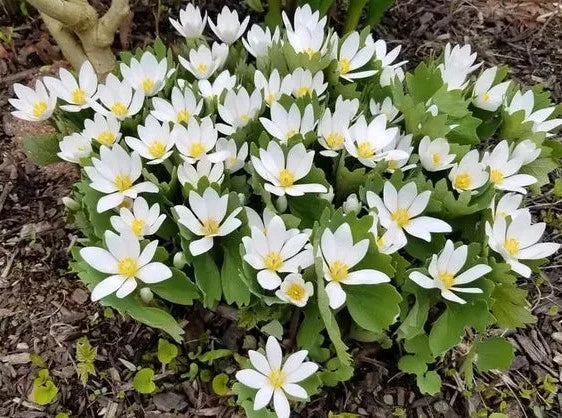
Bloodroot plant is a unique spring bloomer that brings early white flowers to your garden. You see bright white petals with a yellow center that open in sunlight and close at night. This woodland plant grows best in partial shade and rich, moist soil. You plant bloodroot when you want natural ground cover in shady areas. It spreads slowly and comes back every year with proper care. If you want to explore more beautiful plants and trees for your garden, you can visit Evergreen Trees for healthy options and expert guidance.
What Is the Bloodroot Plant?
Bloodroot is a charming spring bloomer that brightens shady spots with its crisp white flowers and sunny yellow centers. Its green leaves and red-root sap make it a garden conversation starter. You’ll love how it slowly spreads, adding natural beauty year after year.

Why Is Bloodroot Popular in Woodland Gardens?
Bloodroot is a favorite for woodland gardens because it brings early spring beauty and natural charm. Here’s why gardeners love it:
- Early Bloomer: Adds crisp white flowers with yellow centers when few other plants are flowering.
- Natural Ground Cover: Lush green leaves spread slowly, creating soft, shady garden areas.
- Low Maintenance: Thrives in partial shade and rich soil with minimal care.
- Pollinator Friendly: Attracts bees and early-season pollinators to your garden.
You’ll enjoy how Bloodroot Plant quietly enhances your woodland garden year after year.
Botanical Overview of Bloodroot Plant
Bloodroot is a perennial woodland plant with the scientific name Sanguinaria canadensis. It grows from a thick rhizome, producing white flowers with yellow centers in early spring. Its large green leaves provide soft ground cover, and the root’s red sap gives it the name “bloodroot.” This hardy perennial thrives in shady, moist soil, making it an ideal choice for woodland gardens.
Scientific Name, Family, and Plant Type
- Scientific Name: Sanguinaria canadensis
- Family: Papaveraceae (Poppy family)
- Plant Type: Perennial woodland plant
Native Range and Natural Habitat
- Native Range: Eastern North America, including parts of the United States and Canada
- Natural Habitat: Shady woodlands, forest edges, and moist, rich soils
- Growth Preference: Thrives in partial to full shade with well-draining, humus-rich soil
Key Features: Flowers, Leaves, and Red Sap
- Flowers: Bright white petals with sunny yellow centers, bloom in early spring
- Leaves: Large, lobed, and green, providing soft ground cover
- Red Sap: Cutting the root releases red sap, giving the plant its name and unique charm
Benefits of Growing Bloodroot Plant
Bloodroot is a delightful addition to your garden, offering both beauty and support for wildlife. Here’s why you should consider planting it:
- Early Spring Blooms: Brings crisp white flowers with yellow centers when few other plants are flowering.
- Wildlife Friendly: Provides soft ground cover and shelter for small garden creatures.
- Pollinator Benefits: Attracts early-season bees and other pollinators to your garden.
With its charm and ecological value, Bloodroot enhances both the look and life of your woodland garden.

Traditional and Historical Uses of Bloodroot Plant
- Natural Dye: Red sap from the root was used to color fabrics and crafts.
- Medicinal Uses: Traditionally used to treat skin conditions, wounds, and respiratory issues.
- Cultural Significance: Played a role in Native American rituals and traditional remedies.
- Ornamental Value: Appreciated for its early spring beauty in gardens.
Bloodroot’s history shows it was as important for people as it is for gardens today.
Where to Plant Bloodroot
- USDA Hardiness Zones: 3 - 8, making it suitable for many temperate regions.
- Light Requirements: Thrives in partial to full shade, as direct sun can damage its leaves.
- Soil Type: Rich, humus-filled, and loamy soil supports healthy growth.
- Drainage Needs: Needs well-draining soil to keep roots healthy and prevent rot.
How to Plant Bloodroot Successfully
- Choose Location: Select a shady or partially shaded spot that mimics its woodland habitat.
- Prepare Soil: Use rich, moist, well-draining soil for healthy growth.
- Plant Rhizomes: Place rhizomes 1 - 2 inches deep, spacing 6 - 12 inches apart.
- Watering: Keep soil consistently moist after planting.
- Patience: This slow-spreading perennial will return each year with minimal care.
When to Plant Bloodroot
Plant Bloodroot in early spring or fall when the soil is cool and moist. This helps the perennial establish strong roots for spring blooms.
Bloodroot Plant Care Guide
- Watering Requirements: Keep the soil consistently moist, especially during dry periods, but avoid waterlogging.
- Fertilizing and Soil Enrichment: Add compost or organic fertilizer in early spring to boost growth and blooms.
- Mulching and Seasonal Maintenance: Apply a layer of mulch to retain moisture, suppress weeds, and protect roots in winter.
- Light Care: Ensure partial to full shade for healthy leaves and flowers.
- Pest & Disease Management: Watch for slugs or snails; generally hardy.
When Does Bloodroot Bloom?
Bloodroot blooms in early spring, usually from March to April, depending on your region. Its delicate white flowers with bright yellow centers appear before the leaves fully unfold, bringing fresh color to shady garden spots.
Understanding Its Spring Ephemeral Nature
Bloodroot is a spring ephemeral, meaning it blooms for a short period in early spring. After flowering, its leaves grow fully, and the plant goes dormant by early summer, conserving energy in its rhizome for the next year’s blooms. This natural cycle makes it perfect for woodland gardens that thrive on seasonal charm.
How to Encourage Healthy Flowers
- Deadhead Spent Blooms: Remove faded flowers to direct energy to new growth.
- Protect from Stress: Keep soil consistently moist and avoid disturbing roots.
- Fertilize Lightly: Use a balanced, low-nitrogen fertilizer in early spring for stronger blooms.
- Support Natural Cycle: Let leaves fully mature before trimming to store energy in the rhizome.
How to Propagate Bloodroot
Propagating Bloodroot is easy if you follow the right steps. You can divide the rhizomes in early spring or fall when the plant is dormant. Carefully lift the clump, separate the rhizomes, ensuring each piece has at least one growth bud, and replant them 1 - 2 inches deep in rich, moist, well-draining soil. With proper care, these new perennials will establish slowly and return each year, adding more early spring charm to your garden.
Common Problems, Pests, and Diseases
Bloodroot is a hardy perennial, but you should watch for a few issues:
- Slugs and Snails: Can chew on young leaves; use natural deterrents to protect plants.
- Root Rot: Caused by overly wet or poorly draining soil.
- Fungal Leaf Spots: Rare, but proper spacing and air circulation prevent them.
- General Care Tip: Mulching and avoiding soil disturbance keep the plant healthy.
With these precautions, Bloodroot will thrive and return each spring with vibrant blooms.
Identifying Common Issues
You can spot Bloodroot problems early by watching its leaves and flowers. Slugs or snails leave holes or ragged edges on young leaves. Root rot shows as yellowing leaves and wilting in soggy soil. Fungal leaf spots appear as small brown or black marks on the foliage. Catching these signs early helps you take quick action, keeping your perennial Bloodroot healthy and blooming each spring beautifully.
Prevention and Natural Treatment Solutions
Use well-draining soil and mulch to keep Bloodroot healthy. Protect it from slugs and snails, and remove any diseased leaves to prevent fungal issues. These simple steps help your perennial thrive and bloom each year beautifully.
Is Bloodroot Plant Toxic?
Bloodroot contains compounds that can be toxic if ingested, affecting both humans and pets. Here’s how to handle it safely:
- Toxicity to Humans and Pets: Ingesting the root or sap can cause nausea, vomiting, or skin irritation.
- Safe Handling Precautions: Always wear gloves when touching the plant, wash your hands afterward, and keep it out of reach of children and pets.
Disclaimer: Avoid planting Bloodroot in areas where pets or young children frequently play to prevent accidental contact.
Best Companion Plants for Bloodroot
Bloodroot pairs beautifully with other shade-loving perennials to create a vibrant woodland garden. Here are some great companions available at Evergreen Trees:
- Trillium: Adds striking blooms that complement Bloodroot’s white flowers.
- Dutchman’s Breeches: Early spring flowers that create seasonal interest.
- Jack-in-the-Pulpit: Adds unique foliage and texture to shaded areas.
- Ferns: Provide lush greenery and a soft background for spring blooms.
These companions enhance your garden’s beauty and make Bloodroot stand out in any shaded landscape.
Is Bloodroot Right for Your Garden?
Bloodroot is great if you love early-season color and want a plant that slowly spreads naturally. It works well in woodland or naturalistic garden designs and pairs beautifully with other shade-loving plants for a serene, layered look.
Where to Buy Quality Bloodroot Plants
For healthy Bloodroot plants that will thrive in your garden, check out Evergreen Trees. They offer a variety of shade-loving perennials and spring ephemerals, ensuring you get strong, well-established plants. Buying from a trusted source helps your garden flourish with vibrant blooms and lush greenery year after year.
Conclusion
Bloodroot is a charming perennial that brings early spring beauty and natural woodland appeal to your garden. By planting it in shady, moist spots, providing proper care, and pairing it with companion plants from Evergreen Trees, you can enjoy its delicate white flowers and lush green leaves year after year. With attention to watering, soil, and protection from pests, Bloodroot is easy to grow and a rewarding addition to any shade or woodland garden.
FAQs
How long does Bloodroot take to bloom after planting?
Bloodroot usually takes 1 to 2 years to bloom when grown from rhizomes. If grown from seeds, it may take several years for the plant to mature and produce flowers.
Can Bloodroot grow in full sun?
Bloodroot prefers partial to full shade and does not do well in full sun. Too much sunlight can scorch its leaves and reduce flowering, so it’s best planted in shaded or woodland areas for healthy growth.
Does Bloodroot spread aggressively?
Bloodroot spreads slowly through its rhizomes and is not considered aggressive. It gradually forms natural clusters, making it ideal for woodland gardens without overtaking other plants.
Is Bloodroot Safe to Grow Around Pets?
Bloodroot is toxic if ingested, so it’s not safe for pets to nibble on. Plant it in areas where pets don’t roam, and handle it carefully to avoid skin irritation from the root sap.
