
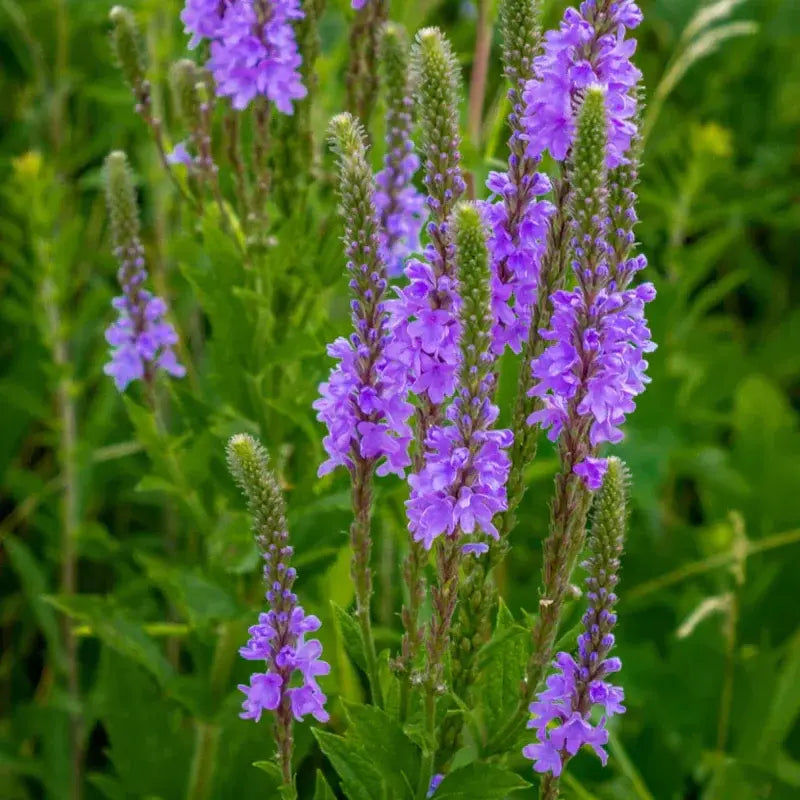
Blue Flag Iris is a native wetland plant known for tall green leaves and soft blue to violet flowers. You often see it growing near ponds, streams, and moist garden areas. It is popular in native gardens because it gives natural beauty with very low care. It also supports bees, butterflies, and other pollinators. You can use it to add color and structure around water edges or damp soil spots in your yard. It handles seasonal changes well once it is established. If you want more native garden plants, you can visit Evergreen Trees for your garden.
Where Does Blue Flag Iris Naturally Grow and Thrive
Blue Flag Iris naturally grows in wet, sunny areas like marshes, riverbanks, pond edges, and moist meadows. It is a North American native plant that thrives in rich soil with consistent moisture. You often see it growing in clusters where water is steady. It does not grow well in dry soil, so you place it in damp spots. Once established, it comes back every year and produces strong blue flowers.
What Makes Blue Flag Iris Different From Other Iris Varieties
If you are looking for a natural and easy garden plant, Blue Flag Iris gives you a unique option among iris varieties.
- You grow Blue Flag Iris in consistently moist or wet soil, while most other iris varieties prefer dry or well-drained conditions.
- You usually find it in natural habitats like marshes, riverbanks, and pond edges, instead of typical garden beds.
- It is a native plant, so it blends naturally into local ecosystems and supports pollinators and wildlife.
- You see soft blue to violet flowers, which are more subtle compared to the wide color range of ornamental irises.
- It forms natural clusters over time, giving your garden a more wild and organic look.
- You need less maintenance once it is established because it adapts well to seasonal changes and local climate.
Overall, Blue Flag Iris stands out because it brings natural beauty, wildlife support, and low-maintenance growth together in one plant.
Why Gardeners Choose Blue Flag Iris
Gardeners choose Blue Flag Iris because it gives natural beauty with very low care. It grows well in wet soil, blooms with soft blue flowers, and attracts bees and butterflies. As a perennial plant, it comes back every year and stays strong with minimal maintenance. If you want to explore or buy healthy Perennial Plants for your garden.

How to Identify Blue Flag Iris by Flowers, Leaves, and Growth Habit
You can easily identify Blue Flag Iris by its soft blue to violet flowers that have a delicate, graceful shape. Each flower has three upright petals and three drooping sepals that give it a unique look. The leaves are long, narrow, and sword-like, growing in a fan shape from the base. You often see them forming dense green clumps near wet areas. Its growth habit is clumping and spreading slowly in moist soil, especially around ponds and marshy spots. Once you know these features, you can quickly recognize it in gardens or natural landscapes.
When Does Blue Flag Iris Bloom and How Long Do the Flowers Last
Blue Flag Iris usually blooms in late spring to early summer when the weather becomes warm. You see its soft blue to violet flowers opening one by one on tall stems during this time. Each flower does not last very long, usually a few days, but the plant keeps producing new blooms for a few weeks. If growing conditions are good, you enjoy a longer blooming period with steady color in your garden. After flowering, the plant focuses on seed formation and leaf growth, preparing itself for the next season.
What Colors and Sizes Are Common in Blue Flag Iris Plants
Blue Flag Iris is known for its simple natural beauty that fits well in wet garden spaces.
- You mostly see soft blue to violet flowers that give your garden a calm and natural look.
- Flower shades can vary from light to deep blue depending on soil and sunlight.
- The flowers are medium-sized and grow on tall, upright stems.
- The plant usually reaches about 2 to 3 feet in height.
- Its long, narrow leaves grow in dense green clumps and reach up to 1 to 2 feet.
Overall, Blue Flag Iris gives you a balanced mix of elegant flower color and manageable plant size, perfect for natural garden spaces.
Why Blue Flag Iris Attracts Butterflies, Bees, and Pollinators
Blue Flag Iris attracts bees, butterflies, and other pollinators because its flowers offer easy access to nectar and pollen. Its soft blue blooms are easy to spot, and the shape gives insects a simple landing place. It blooms in peak pollinator season, making your garden more active and alive.
Which Blue Flag Iris Variety Is Best for Home Gardens
For home gardens, you usually choose the classic Blue Flag Iris because it is easy to grow and very reliable. You often go for Iris versicolor if you have wet soil, ponds, or rain gardens since it thrives in moist conditions. If you want a slightly stronger plant for deeper water edges, Iris virginica is also a good option. Both varieties give you soft blue flowers and attract pollinators like bees and butterflies. You get the best results when you plant them in a sunny spot with consistent moisture.
Why Blue Flag Iris Is Ideal for Pond Edges and Rain Gardens
Blue Flag Iris is one of the best choices when you want to add life and structure to wet garden areas.
- Blue Flag Iris grows well in constantly wet soil, making it perfect for pond edges and rain gardens.
- You often see it naturally growing near water, so it easily adapts to moist garden areas.
- Its strong root system helps hold soil in place and reduces erosion around ponds and drainage spots.
- It adds soft blue flowers that improve the natural and peaceful look of water spaces.
- It attracts bees and butterflies, making your garden more active and balanced.
This plant gives you a natural way to improve water edges while keeping your garden beautiful and easy to maintain.
How Blue Flag Iris Helps Control Soil Erosion in Wet Areas
Blue Flag Iris helps control soil erosion with its strong, spreading roots that hold soil firmly in place. You often plant it in wet areas like pond edges and rain gardens where water can wash soil away. Its dense growth slows water flow and protects the ground. Once established, it forms a natural barrier that keeps soil stable and secure.
Why Blue Flag Iris Is a Low-Maintenance Plant
Blue Flag Iris is a low-maintenance plant because it grows well on its own once established. You plant it in wet soil, and it does not need frequent watering or special care. It handles seasonal changes easily and keeps coming back every year. It also resists many common garden problems, making it simple to manage.

What Type of Soil Is Best for Blue Flag Iris Growth
If you want strong growth and healthy blooms, choosing the right soil for Blue Flag Iris is very important.
- Blue Flag Iris grows best in moist to wet soil that stays damp most of the time.
- You often plant it in rich, organic soil that holds water well.
- It prefers slightly acidic to neutral soil conditions for healthy growth.
- Clay or loamy soil works well because it retains moisture around the roots.
- You avoid very dry or sandy soil because it does not support proper growth.
- Consistent moisture is the key for strong roots and healthy blooms.
With the right soil conditions, Blue Flag Iris grows easily and gives you long-lasting natural beauty in your garden.
How Often Should You Water Blue Flag Iris Plants
Blue Flag Iris needs regular moisture, so you water it whenever the soil starts drying out. In wet or pond areas, it may not need extra watering at all. Just make sure the soil stays consistently damp for healthy growth.
Which USDA Hardiness Zones Support Blue Flag Iris Best
Blue Flag Iris grows best in USDA Hardiness Zones 3 to 9. You see it thriving in these zones because the climate supports its natural wetland growth and seasonal changes. In these conditions, it comes back every year with strong growth and healthy blooms.
Where Should You Plant Blue Flag Iris for Maximum Blooming
Blue Flag Iris blooms best when you plant it in full sun to partial shade. You choose moist spots like pond edges, rain gardens, or low-lying areas where soil stays wet. It performs better in rich, well-watered soil with steady moisture. In these conditions, you get more flowers and stronger growth every season.
How to Plant Blue Flag Iris Successfully
If you want strong growth and beautiful blooms, planting Blue Flag Iris the right way is very important.
- Choose a wet or moist location like pond edges, rain gardens, or low-lying areas in your garden.
- Prepare rich, organic soil that holds moisture well for healthy root growth.
- Plant the rhizomes just below the soil surface, keeping them slightly exposed if needed.
- Space each plant properly so it has room to spread and form natural clumps.
- Water well after planting to help the roots settle in the soil.
- Place it in full sun to partial shade for better blooming and strong growth.
With proper planting, Blue Flag Iris establishes quickly and gives you healthy flowers season after season.
When Is the Best Time to Plant Blue Flag Iris
The best time to plant Blue Flag Iris is in early spring or early fall when the weather is mild. During these seasons, the plant establishes roots easily in moist soil. You get stronger growth and better blooms in the following season.
How to Plant Blue Flag Iris in Containers or Water Gardens
If you want to grow Blue Flag Iris in a small space or water setup, container planting is a great option.
- Choose a large container or shallow basket that allows roots to spread easily.
- Use rich, moisture-retaining soil that stays consistently damp.
- Plant the rhizomes just under the soil surface and press gently to secure them.
- Place the container in shallow water or a water garden where roots stay wet but not fully submerged.
- Keep it in full sun to partial shade for healthy growth and better blooming.
- Water regularly if the container is not placed directly in water.
This method helps you enjoy healthy Blue Flag Iris growth even in patios, small gardens, or water features.
How to Water Blue Flag Iris During Different Seasons
Blue Flag Iris needs consistent moisture in all seasons, especially during spring and summer when it is actively growing and flowering. In hot weather, you keep the soil always damp or grow it in shallow water areas. In winter, you reduce watering but never let the soil fully dry out.
Why Are Blue Flag Iris Leaves Turning Yellow or Brown
Blue Flag Iris leaves turn yellow or brown due to overwatering, poor drainage, or natural aging of older leaves. You may also notice this problem if the plant is not getting enough nutrients or if water conditions change suddenly. In some cases, seasonal changes after flowering can also cause leaves to dry out. To fix it, you remove damaged leaves and keep the soil consistently moist but not stagnant.
How to Protect Blue Flag Iris During Winter Months
Blue Flag Iris naturally handles winter well because it is a hardy perennial plant. During cold months, you simply keep the soil slightly moist and avoid letting it fully dry out. In very harsh frost areas, you can add a light mulch layer to protect the roots and help the plant return strongly in spring.
Is Blue Flag Iris Toxic to Pets or Humans
Blue Flag Iris can be mildly toxic to pets and humans if it is eaten, especially the roots and rhizomes. It may cause stomach upset, nausea, or irritation. You grow it safely by keeping it out of reach of pets and small children and handling it with care during planting.
Conclusion
Blue Flag Iris is one of the best choices for moist gardens because it grows well in wet soil and gives you beautiful soft blue flowers with very little care. You use it to fill pond edges, rain gardens, and damp spots where other plants struggle. It also supports bees and butterflies, making your garden more lively and natural. Once established, it comes back every year and stays strong in changing weather conditions. Its ability to control erosion and thrive in water-rich areas makes it a perfect plant for low-maintenance garden spaces.
If you want to explore more healthy and easy-to-grow garden plants, you can visit Evergreen Trees for more helpful options and plant collections.
FAQs
What is Blue Flag Iris?
Blue Flag Iris is a tall native wetland perennial with sword-shaped leaves and bright violet-blue flowers. It grows in marshes and stream banks of eastern North America.
When does Blue Flag Iris bloom?
Blue Flag Iris blooms from May to July, with each flower lasting 1 to 3 days. The full bloom lasts 3 to 4 weeks as new buds open over time.
Where does Blue Flag Iris grow best?
It grows best in full sun with wet to moist soil. Pond edges, rain gardens, and low damp spots are perfect for it.
How do you care for Blue Flag Iris?
Keep the soil wet, cut back dead flower stems after the bloom, and trim the leaves in late fall. The plant needs little care once it settles in.
Is Blue Flag Iris safe?
Blue Flag Iris is toxic, especially the rhizome. Keep it away from children and pets, wear gloves when you handle it, and never eat any part of the plant.
