
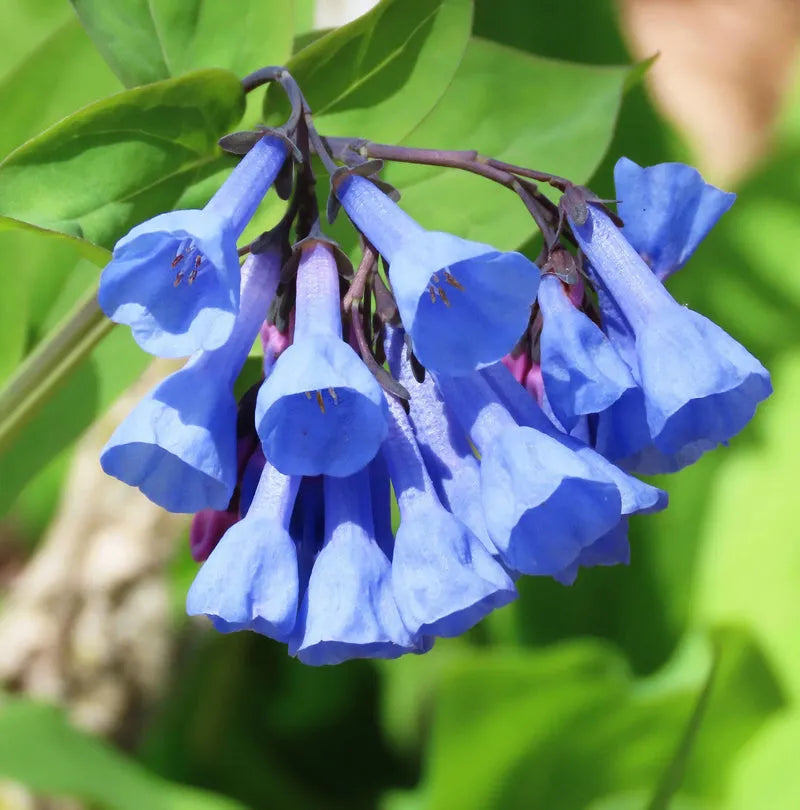
Virginia Bluebell is a beautiful spring plant that brings soft color and fresh life to your garden. You grow this plant for its drooping blue flowers that bloom early and signal the start of spring. In this growing guide, you learn how Virginia Bluebell grows best in cool weather and rich, moist soil. With simple care tips, such as proper watering and partial shade, you can keep it healthy year after year. You will love this plant because it attracts bees and butterflies, while adding natural charm. Virginia Bluebell gives you easy care, seasonal beauty, and real garden benefits in one plant.
What Is Virginia Bluebell?
Virginia Bluebell is a spring-flowering plant that adds soft blue color to your garden. You see small bell-shaped flowers that bloom early and bring fresh life after winter. This plant grows well in moist soil and light shade and comes back every year with little care.

Why Virginia Bluebell Is a Favorite Spring Wildflower
Virginia Bluebell is a favorite spring wildflower because it blooms early and fills your garden with soft blue color. You enjoy its gentle bell-shaped flowers that attract bees and other pollinators. This plant grows easily in natural garden spaces and returns every spring with very little care.
What Does Virginia Bluebell Look Like?
Virginia Bluebell has soft green leaves and drooping bell-shaped flowers that hang in small clusters. You see the flowers start as pink buds and slowly turn blue as they open. The plant has a gentle and natural look that fits perfectly in spring gardens.

Virginia Bluebell Flower Color, Shape, and Bloom Time
- Flower Color: You see flowers start as pink buds and slowly change into soft blue shades.
- Flower Shape: The blooms are small and bell-shaped, hanging gently in clusters.
- Bloom Time: This plant blooms in early spring and brings fresh color after winter.
Virginia Bluebell Scientific Name and Plant Family
- Scientific Name: You know Virginia Bluebell as Mertensia virginica.
- Plant Family: It belongs to the borage family, Boraginaceae, which includes many other charming flowering plants.
Is Virginia Bluebell a Perennial Plant?
Yes, Virginia Bluebell is a perennial plant. You grow it knowing it will come back year after year, blooming each spring with very little care. Its leaves die back in summer, but the roots stay alive underground, ready to sprout again next season.
Why Gardeners Love Virginia Bluebell
Gardeners love Virginia Bluebell because it brings soft, early spring color with minimal effort. You enjoy its bell-shaped flowers that attract bees and butterflies, adding life to your garden. It grows well in shaded areas and naturalizes easily, returning year after year. Its gentle, woodland look fits perfectly in both wild and formal garden spaces.
Benefits of Growing Virginia Bluebell in Your Garden
- Early Spring Color: You get soft blue blooms that brighten your garden after winter.
- Attracts Pollinators: Bees and butterflies visit the flowers, helping your garden thrive.
- Low Maintenance: The plant grows easily and comes back every year with little care.
- Natural Look: Its gentle, drooping flowers add charm to woodland and shaded garden areas.
- Perennial Growth: You enjoy it year after year without replanting.
Virginia Bluebell for Pollinators and Wildlife
Virginia Bluebell is great for pollinators and wildlife. You see bees and butterflies visiting its bell-shaped flowers for nectar, helping your garden stay lively. Birds also enjoy the plant’s seeds, making it a small but valuable part of your garden ecosystem. Growing Virginia Bluebell supports local wildlife while adding beauty to your outdoor space.
Does Virginia Bluebell Attract Bees and Butterflies?
Yes, Virginia Bluebell attracts both bees and butterflies. You see them visiting the bell-shaped flowers to sip nectar, which helps pollinate your garden. This makes your garden feel lively and supports local pollinators naturally.
Where Does Virginia Bluebell Grow Naturally?
- Native Habitat: You find Virginia Bluebell naturally in woodland areas of eastern North America.
- Soil Preference: It grows best in rich, moist soil that stays slightly damp.
- Light Requirements: The plant thrives in partial to full shade, mimicking its natural forest environment.
- Garden Naturalizing: You can let it spread slowly in shaded garden beds for a woodland look.
Best Climate and Hardiness Zones for Virginia Bluebell
- Best Climate: You grow Virginia Bluebell in cool to moderate climates where spring is mild.
- Hardiness Zones: It thrives in USDA zones 3 to 8, making it adaptable to many regions.
- Seasonal Growth: The plant blooms in early spring and goes dormant by summer, handling seasonal changes well.
How to Grow Virginia Bluebell
You grow Virginia Bluebell easily by planting it in rich, moist soil with partial to full shade. You space the plants a few inches apart to let them spread naturally over time. Water regularly, especially during dry spells, but avoid waterlogging the soil. You can start from seeds, bulbs, or established plants, and they come back every year with little effort. With basic care, you turn shaded garden spots into a beautiful spring display.
How to Plant Virginia Bluebell Successfully
- Choose Location: You pick a shady or partially shaded spot with rich, well-draining soil.
- Prepare Soil: Dig small holes and make sure roots are covered with firm soil.
- Planting: Place bulbs, seeds, or young plants in the holes and cover gently.
- Watering: Water immediately after planting to help them settle.
- Spacing: Keep plants a few inches apart so they can spread naturally over time.
Best Soil, Sunlight, and Water Requirements
- Soil: You grow Virginia Bluebell best in rich, moist, and well-draining soil.
- Sunlight: The plant thrives in partial to full shade, mimicking its natural woodland habitat.
- Water: You keep the soil consistently moist, especially during dry periods, but avoid waterlogging.
When and How Virginia Bluebell Blooms
- Bloom Time: You see Virginia Bluebell bloom in early spring, usually between March and May.
- Flower Appearance: The bell-shaped flowers start as pink buds and gradually turn soft blue.
- Bloom Duration: The flowers last a few weeks, adding a short but beautiful splash of color to your garden.
Virginia Bluebell Care Guide
You care for Virginia Bluebell by keeping it in a shaded or partially shaded spot with rich, moist soil. You water regularly, especially during dry periods, but avoid overwatering. After blooming, you let the leaves die back naturally so the plant can store energy for next year. You can divide crowded clumps every few years to keep them healthy. With simple care, Virginia Bluebell comes back each spring, giving your garden gentle color and charm.
How to Care for Virginia Bluebell After Planting
- Watering: You keep the soil moist, especially during dry spells, without overwatering.
- Sunlight: Place the plant in partial to full shade for best growth.
- Post-Bloom Care: Let the leaves die back naturally after flowering to store energy for next season.
- Dividing Clumps: You can divide crowded plants every few years to maintain health and encourage blooms.
- Minimal Maintenance: With basic care, the plant returns each spring with little effort.
Watering, Mulching, and Seasonal Maintenance
- Watering: You water Virginia Bluebell regularly to keep the soil moist, especially during dry periods.
- Mulching: Apply a layer of mulch around the base to retain moisture and keep roots cool.
- Seasonal Maintenance: Let leaves die back naturally after blooming and divide crowded clumps every few years to keep the plant healthy.
What to Do When Virginia Bluebell Goes Dormant
When Virginia Bluebell goes dormant, you let the leaves naturally die back and stop regular watering. You avoid disturbing the roots, as the plant is storing energy for next spring. You can add a light layer of mulch to protect the soil, and simply wait for the plant to reappear when the next growing season begins.
Common Problems and Solutions
- Yellowing Leaves: You check for overwatering or poor drainage and adjust watering to keep soil moist but not soggy.
- Poor Blooming: You ensure the plant gets partial shade and rich soil; overcrowded plants may need dividing.
- Pests: You watch for slugs or snails and remove them by hand or use natural deterrents.
- Wilting: You water consistently during dry periods and add mulch to retain soil moisture.
- Dormant Period Confusion: You remember that leaves naturally die back after flowering, which is normal for this perennial.
Why Virginia Bluebell Is Not Blooming
Virginia Bluebell may not bloom if it doesn’t get the right conditions. You check that it has partial to full shade and rich, moist soil. Overcrowded plants can struggle, so dividing clumps helps. Sometimes, young plants need a year or two to establish before flowering. Also, too much fertilizer or irregular watering can affect blooms, so keeping care consistent gives the best chance for spring flowers.
Common Pests and Diseases Affecting Virginia Bluebell
- Slugs and Snails: You may see these pests feeding on leaves; remove them by hand or use natural deterrents.
- Aphids: These small insects can cluster on stems and buds; wash them off with water or use insecticidal soap.
- Powdery Mildew: A white powdery coating can appear on leaves in humid conditions; improve air circulation and avoid overhead watering.
- Leaf Spots: Dark spots may form on leaves; remove affected foliage and keep the area clean.
- Root Rot: Overwatering or poorly drained soil can cause roots to rot; ensure soil drains well.
Yellow Leaves or Weak Growth
Yellow leaves or weak growth in Virginia Bluebell usually happen when conditions aren’t right. You may be overwatering or planting in soil that doesn’t drain well, which stresses the roots. Too much sun can scorch leaves, while too few nutrients can slow growth. Crowded plants may compete for water and light, reducing vigor. Adjusting soil, watering, and spacing usually helps the plant recover and grow strong again.
Virginia Bluebell in Garden Design
You use Virginia Bluebell in garden design to add soft, early spring color and a natural woodland feel. You plant it along shaded borders, under trees, or in wildflower beds for a gentle, flowing look. Its bell-shaped flowers pair beautifully with ferns, hostas, and other shade-loving plants. You can also let it naturalize in larger garden areas, creating a carpet of blue each spring that brings charm and seasonal interest to your outdoor space.
Where to Plant Virginia Bluebell in Your Garden
- Shaded Areas: You plant Virginia Bluebell in partial to full shade, like under trees or along shady borders.
- Moist Soil Spots: Choose garden areas with rich, well-draining, and consistently moist soil.
- Woodland or Naturalized Beds: You let it spread naturally in woodland-style or wildflower garden beds.
- Along Paths or Walkways: Plant near paths to enjoy its soft blue blooms up close in early spring.
Best Companion Plants for Virginia Bluebell
-
Trillium Plants
You enjoy their early spring blooms that mix beautifully with Bluebells, adding delicate color.
-
Carex Pensylvanica: This low-growing grass adds texture and spreads naturally in shaded areas.
-
Fleabane Daisy:
You get small, daisy-like flowers that bloom alongside Bluebells for extra charm.
-
Ironweed Plant
Its tall purple flowers provide vertical interest and contrast with the soft Bluebell blooms.
-
Shasta Daisy:
You add bright white blooms to balance the Bluebell’s soft blue flowers.
-
Blue Cohosh:
You grow this plant for its unique foliage and early spring interest.
-
White Baneberry:
You enjoy its striking white berries and textured leaves in shaded garden spots.
-
Lyreleaf Sage:
You get fragrant foliage and subtle blooms that complement Bluebells naturally.
-
Siberian Iris:
Its tall, elegant flowers add height and seasonal variety to your spring garden.
Using Virginia Bluebell in Woodland and Shade Gardens
You use Virginia Bluebell in woodland and shade gardens to create a soft, natural look. You plant it under trees, along shaded borders, or among other shade-loving plants for a flowing, layered effect. Its early spring blue blooms brighten darker spots and pair beautifully with ferns, hostas, and trilliums. You can let it naturalize in larger garden areas to form a carpet of flowers each year, adding charm and seasonal interest without much effort.
Buying and Planting Tips
- Buying Virginia Bluebell: You choose healthy plants or bulbs with firm roots and vibrant foliage.
- Best Time to Plant: You plant bulbs in the fall or young plants in early spring.
- Planting Location: Pick partial to full shade spots with rich, moist, well-draining soil.
- Spacing: You space plants a few inches apart so they can spread naturally.
- Watering After Planting: Water immediately to help roots settle.
- Mulching: Apply a light layer of mulch to retain soil moisture.
Buy Virginia Bluebell: Bulbs vs Plants
You can buy Virginia Bluebell from Ever Green Trees as either bulbs or young plants. You choose bulbs if you want to plant in the fall and let them establish roots over winter. Young plants are best in early spring for faster growth and earlier flowers.
How to Choose Healthy Virginia Bluebell Plants
You choose healthy Virginia Bluebell plants by looking for firm roots and vibrant, green foliage. Avoid plants with yellowing leaves, wilted stems, or signs of pests and disease.
When Is the Best Time to Buy Virginia Bluebell?
The best time to buy Virginia Bluebell is in early spring for young plants or in fall for bulbs. Choosing the right time helps ensure healthy growth and vibrant blooms.
Conclusion
Virginia Bluebell is perfect if you want early spring color, low-maintenance care, and a natural woodland look. You enjoy soft blue, bell-shaped flowers that attract pollinators and come back year after year. Whether you plant it in shaded borders, woodland gardens, or naturalized beds, it adds charm and seasonal interest with minimal effort. If you’re ready to bring this beautiful perennial to your garden, you can buy Virginia Bluebell and start planting today.
FAQs
Is Virginia Bluebell Easy to Grow for Beginners?
Yes, Virginia Bluebell is beginner-friendly.
Is Virginia Bluebell Toxic to Pets or Humans?
No, it is safe.
How Long Does Virginia Bluebell Live?
It’s a perennial and lives for many years.
Does Virginia Bluebell Come Back Every Year?
Yes, it naturally returns each year.
