
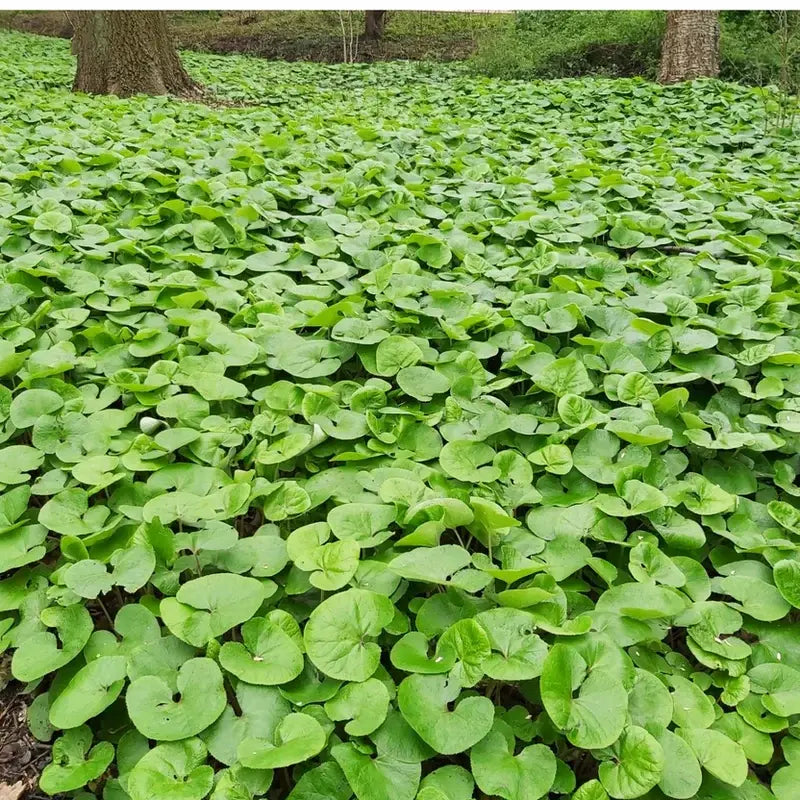
Wild Ginger is a low-growing plant that helps you fill shady areas with rich green coverage. You see soft, heart-shaped leaves that spread across the ground and create a natural carpet under trees or along pathways. This plant grows slowly but stays strong, even in places where other plants struggle. You can grow Wild Ginger when you want an easy ground cover that needs very little care. It also brings a calm woodland feel to your garden and supports small wildlife. If you enjoy plants like this, you can explore more ideas on Evergreen Trees for better garden planning.
What Is the Wild Ginger Plant and Why Does It Matter
Wild Ginger is a shade-loving perennial plant that spreads slowly and fills empty spaces with dense foliage. You use it to create a natural ground layer in low-light areas, making your garden look full and balanced with minimal effort.

Why it matters:
- It provides excellent ground cover in shaded and woodland areas
- It fills spaces where grass and other plants cannot grow
- It supports local insects, birds, and small wildlife
- It adds a natural and woodland feel to garden landscapes
- It is low-maintenance and grows well without much attention
- It helps prevent soil erosion and keeps moisture in the ground
Botanical Overview and Plant Classification
Wild Ginger is a resilient and versatile woodland plant admired for its slow spreading habit and evergreen appeal in shaded garden spaces.
Botanical Overview:
- Scientific Classification: Asarum genus
- Plant Family: Aristolochiaceae
- Growth Habit: Low-growing and spreading plant
- Lifespan: Long-lasting perennial
- Spreading Nature: Spreads slowly through underground roots
- Leaf Structure: Large, heart-shaped leaves
- Color: Deep green
- Seasonal Interest: Stays attractive for most of the year
This resilient plant is one of the must-have perennial ground covers for a low-maintenance and naturally beautiful garden.
Key Features and Unique Characteristics
Wild Ginger is known for its dense spreading habit and striking foliage, making it a standout choice for shaded garden areas.
Key features:
- Large heart-shaped leaves that create thick ground cover
- Deep green foliage that stays attractive most of the year
- Small, hidden flowers that bloom near the soil in spring
- Slow and steady spreading through underground roots
- Grows well in full and partial shade
- Low maintenance and easy to handle
- Naturally resistant to common pests
These features make Wild Ginger a reliable and attractive plant for adding natural beauty and coverage to shaded and woodland garden spaces.
Benefits of Growing Wild Ginger Plant in Your Garden
Adding Wild Ginger to your garden brings both beauty and practical advantages.
- Covers Shady Areas: Its thick, heart-shaped leaves fill spots where other plants can’t grow.
- Easy to Care For: Once planted, it grows slowly and requires little maintenance.
- Resistant to Pests: Rarely attacked by common garden insects.
- Pretty Year-Round: Evergreen types stay green all year, and small spring flowers add a nice touch.
- Helps Wildlife: Supports bees, butterflies, and other small pollinators.
- Works Well with Other Plants: Grows nicely alongside other shade-loving plants.
- Natural and Eco-Friendly: Improves garden health and creates a peaceful, woodland-like feel.
With these benefits, Wild Ginger is a smart and attractive choice for any shaded garden space.
Types of Wild Ginger Plant You Should Know
Wild Ginger includes both native and non-native varieties, each suited to different garden needs.
- Native Varieties: Examples like Asarum canadense are native to North America. They are deciduous, lose leaves in winter, and spread well in local conditions without extra care. They also support local wildlife.
- Non-Native Varieties: Types such as European Wild Ginger (Asarum europaeum) and Asian species (Asarum splendens) are often evergreen, retaining their leaves year-round. They offer unique leaf shapes and textures, making them popular for visual appeal in gardens.
This gives you options whether you want natural woodland support or year-round greenery.
Where Wild Ginger Grows Best
Wild Ginger thrives in cool, shaded areas with moist, well-drained soil rich in organic matter. You will see it grow best under trees or in garden spots that get little to no direct sunlight. It is perfect for filling spaces where other plants often struggle, creating a natural, lush ground cover in woodland or shaded gardens.
Ideal Climate and Hardiness Zones of the Wild Ginger Plant
To grow Wild Ginger successfully, it’s important to provide the right climate and soil conditions.
- Temperature Range: Cool to moderate; tolerates cold winters
- Hardiness Zones: USDA zones 3 to 8 (some Asian varieties 6 to 9)
- Humidity: Prefers moderate to high humidity
- Light: Full shade to partial shade; avoid direct sunlight
- Soil Type: Rich, loamy, well-drained with high organic matter
- Soil pH: Slightly acidic to neutral (5.5 to 7.0)
- Drainage: Well-drained but keeps soil consistently moist
Providing these conditions ensures your Wild Ginger grows healthy, lush, and long-lasting in shaded garden spaces.
When to Plant Wild Ginger for Best Results
The ideal time to plant Wild Ginger is in early spring or early fall. Spring planting helps roots establish before the summer heat, while fall planting allows the plant to settle in before winter dormancy. Avoid planting during the hottest summer months or when the ground is frozen in winter.

Growth Cycle and Blooming Period
Understanding the seasonal growth of Wild Ginger helps you care for it better throughout the year.
- Spring: Wild Ginger starts new growth and produces small, hidden flowers near the ground.
- Summer: Leaves are fully grown, and the plant spreads slowly, creating dense ground cover.
- Fall: Foliage stays green and attractive; native varieties may begin to lose leaves.
- Winter: Deciduous types go dormant, while evergreen varieties keep their leaves year-round.
By following its natural cycle, you can ensure Wild Ginger stays healthy and vibrant in your shaded garden spaces.
How to Grow a Wild Ginger Plant Successfully
To grow Wild Ginger well, you need the right location, soil, and care.
- Location: Choose a shaded or partially shaded spot with rich, moist, well-drained soil.
- Soil Preparation: Mix compost or organic matter into the soil to improve quality.
- Planting: Dig a hole slightly larger than the root ball, place the plant, backfill with soil, press gently, and water thoroughly.
- Spacing: Keep plants 12 to 18 inches apart to allow natural spreading.
- Mulching: Apply 2 - 3 inches of organic mulch like shredded leaves or bark to retain moisture, regulate soil temperature, and suppress weeds.
- Watering: Keep soil consistently moist during the first season; afterward, water deeply during dry periods but avoid waterlogging.
- Feeding: Use a balanced, slow-release fertilizer in early spring; avoid heavy feeding to maintain the plant’s slow-spreading habit.
Following these steps ensures your Wild Ginger grows healthy, lush, and adds lasting beauty to shaded garden spaces.
Essential Care Tips for Healthy Wild Ginger Plant
To keep your Wild Ginger thriving, follow these care tips and watch for common problems:
- Pruning: Trim dead or damaged leaves occasionally to maintain a neat appearance and allow airflow.
- Maintenance Guide: Remove fallen debris, check for pests, and refresh mulch yearly to keep soil healthy.
- Slugs and Snails: These can damage leaves; use barriers or organic slug control methods to protect the plant.
- Aphids: Check leaves for small pests and spray with water or insecticidal soap if needed.
- Fungal Diseases: Avoid wetting foliage excessively and ensure good drainage to prevent fungal infections.
- Overwatering: Keep soil moist but not waterlogged; too much water can cause root rot.
- Too Much Sunlight: Direct sunlight can scorch leaves; always plant in shade or partial shade.
- Nutrient Deficiency: Apply balanced, slow-release fertilizer in early spring to support healthy growth.
- Compacted Soil: Loosen soil around the plant if needed to allow roots to spread and access nutrients.
Following these simple steps keeps Wild Ginger strong, lush, and beautiful in your shaded garden spaces.
Safe Handling Tips for the Wild Ginger Plant
Wild Ginger is safe to grow if handled carefully. Wear gloves when planting or pruning, avoid eating any part of the plant, and wash your hands afterward. Use clean tools and be gentle to protect its leaves and roots. These simple steps keep both you and the plant safe and healthy.

Companion Plants That Work Well with Wild Ginger
Wild Ginger thrives in shaded or partially shaded areas with moist, rich soil. Pairing it with other shade-loving plants creates a lush, natural woodland garden. Here are some great companion plants from Ever-Green-Trees.com
- Lily of the Valley: Low-growing perennial with fragrant white flowers that spreads slowly, ideal for shade gardens.
- Sheet Moss: Forms soft, flat green mats under shaded conditions, perfect for layering ground cover naturally.
- Liverwort Plant (Hepatica nobilis): Woodland perennial with early spring flowers in white, pink, purple, or blue, adding seasonal color.
- Black Cohosh: Tall woodland perennial with white summer flowers and lush green foliage that complements shaded garden areas.
Planting these companions alongside Wild Ginger helps create a diverse, low-maintenance, and visually appealing shade garden.
Conclusion
Wild Ginger is an ideal choice for shaded gardens, offering lush, heart-shaped foliage and a natural woodland feel. It spreads slowly to create dense ground cover, requires minimal maintenance, and resists most pests. With its year-round greenery, hidden spring flowers, and compatibility with other shade-loving plants, Wild Ginger adds both beauty and ecological value to your garden. Whether you want a low-maintenance ground cover or a serene woodland corner, this resilient perennial is a reliable and attractive option for any shaded space.
FAQs
How do you plant Wild Ginger successfully?
Plant in early spring or fall, spacing 12 - 18 inches apart. Use rich, moist soil, mulch to retain moisture, and keep soil consistently damp during establishment.
What are the key features of Wild Ginger?
Large heart-shaped leaves, deep green foliage year-round (evergreen types), small hidden spring flowers, slow spreading via underground roots, and low-maintenance growth.
How do you care for Wild Ginger?
Trim dead leaves, refresh mulch yearly, maintain moist but well-drained soil, control slugs and aphids, and avoid direct sunlight. Minimal feeding is needed in early spring.
What pests or problems affect Wild Ginger?
Common issues include slugs, snails, aphids, fungal diseases, and overwatering. Proper drainage, mulching, and occasional pruning prevent most problems.
Which companion plants work well with Wild Ginger?
Shade-loving plants like Lily of the Valley, Sheet Moss, Liverwort, and Black Cohosh complement Wild Ginger for a lush, woodland-style garden.
When is the best time to plant Wild Ginger?
Early spring or early fall, avoiding extreme heat or frozen ground, ensures strong root establishment and healthy growth.
Why should I add Wild Ginger to my garden?
It creates dense, low-maintenance ground cover, adds year-round greenery, supports wildlife, and brings a calm, woodland aesthetic to shaded spaces.
