
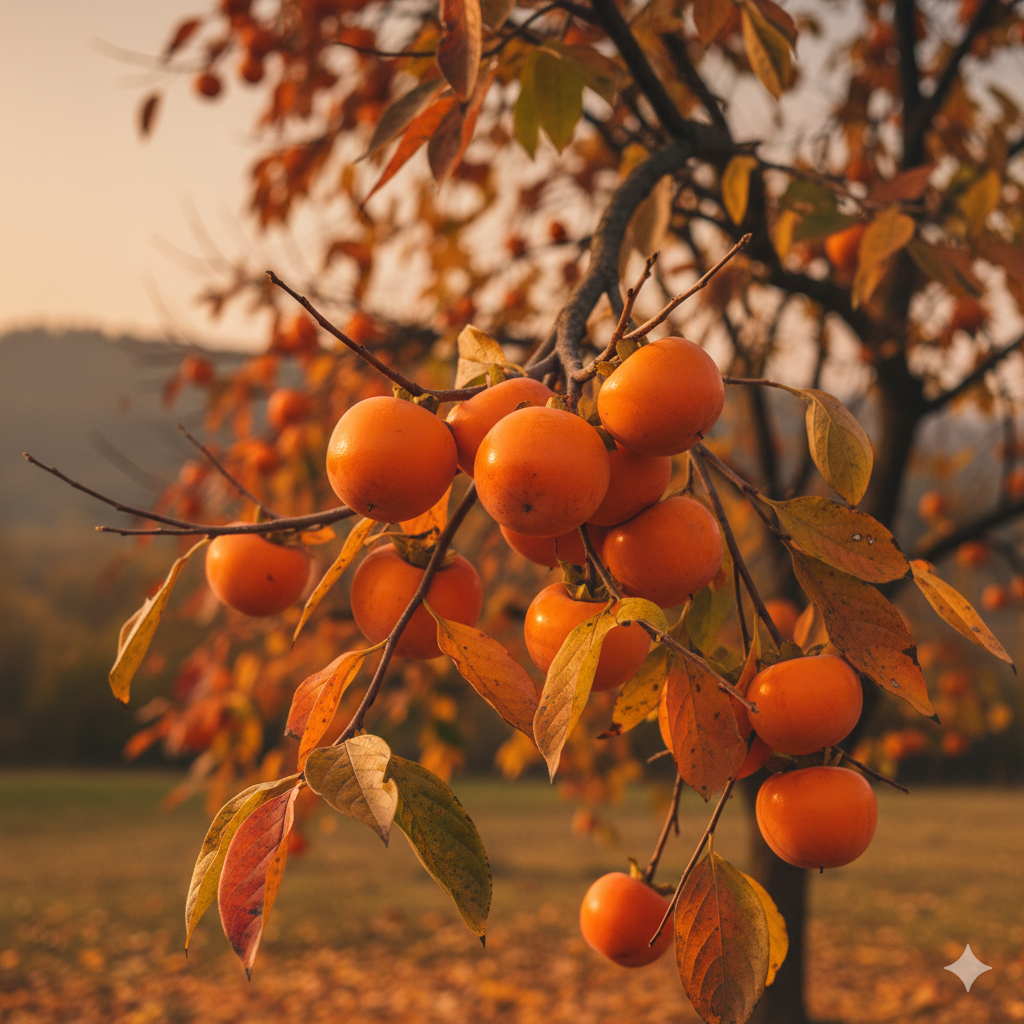
A persimmon tree is a wonderful choice for gardeners who want a mix of beauty, seasonal interest, and fresh fruit in one plant. These trees grow slowly and steadily, becoming stronger as they age, which makes them ideal for home gardens and edible landscapes. In autumn, vibrant orange persimmon fruit hangs on bare branches, creating a natural focal point in any garden. Unlike some fruit trees that require constant attention, a persimmon tree rewards patience with years of productivity and minimal effort.
If you want a healthy, well-grown persimmon tree, explore quality options at Evergreen Trees, where trees are carefully grown for long-term success in home gardens.
Why Gardeners Choose Persimmon Trees
Gardeners love persimmon trees for their reliability, low-maintenance nature, and long lifespan. These trees don’t demand heavy pruning, constant watering, or overfeeding, yet they provide delicious persimmon fruit and add charm to the landscape for decades.
Key benefits include:
-
Long life: Persimmons can produce fruit for many years.
-
Low care needs: Once established, they thrive with minimal effort.
-
Natural shape: They hold their structure without constant trimming.
-
Can survive dry periods: Better than many other fruit trees.
A persimmon tree is perfect for beginners or anyone looking for a low-stress, long-term investment in their garden. It also pairs beautifully with other fruit trees, like an apple tree or apricot tree, creating a diverse and productive home orchard.

The Sweet Rewards of a Persimmon Fruit Tree
Persimmon fruit trees produce smooth, round fruit that turns a deep orange when ripe. Some varieties are sweet even when firm, while others become delicious only after softening. The fruit has a naturally honey-like taste, making it perfect for eating fresh, baking, drying, or making jams.
Adding a persimmon tree alongside your existing apple or apricot trees can give your garden a wider variety of flavors and a more interesting homegrown fruit selection.
How Persimmon Trees Change Through the Seasons
A persimmon tree offers beauty all year round:
-
Spring: Fresh green leaves emerge and small flowers appear.
-
Summer: The tree becomes full and leafy while fruits start developing.
-
Autumn: Leaves drop, leaving bright orange persimmons to shine.
-
Winter: Even without leaves, the branches provide visual structure and interest.
This seasonal transformation makes persimmon trees more than just a fruit tree they’re a living decoration that enhances your garden year-round.

Choosing the Right Spot
Persimmon trees thrive in sunny, open spaces with plenty of room to grow. For best results:
-
Plant where the tree gets full sun most of the day.
-
Ensure good airflow to reduce disease risk.
-
Use well-drained soil to avoid root problems.
-
Keep the tree away from walls, buildings, or other plants.
Planting your persimmon tree alongside an apple tree or apricot tree works well if you leave enough space for each to flourish.
Soil Tips for Healthy Growth
While persimmon trees are adaptable, they prefer loose, fertile soil that drains well. Heavy, waterlogged soil can slow growth and harm roots.
Before planting:
-
Loosen compacted soil.
-
Mix in organic compost.
-
Clear weeds and debris.
Proper soil preparation gives your persimmon fruit tree a strong start, just like the care needed for other home orchard trees.
How to Plant a Persimmon Tree
Planting a persimmon tree properly ensures healthy roots and long-term productivity.
Steps:
-
Dig a hole wider than the root ball.
-
Keep the tree level with the ground.
-
Spread roots gently to prevent damage.
-
Backfill soil and press lightly.
-
Water slowly and thoroughly.
-
Cover soil with dry leaves or straw to hold moisture.
With the right planting, your tree will establish quickly and provide years of sweet fruit, complementing your other fruit trees.
Persimmon Tree Maintenance Made Simple
Caring for a persimmon tree is easier than many other fruit trees:
-
Watering: Young trees need regular water; mature trees mainly during dry periods.
-
Branch care: Remove broken, weak, or crowded branches only.
-
Feeding: A small amount of balanced fertilizer in early spring is enough.
Following this simple persimmon tree maintenance routine keeps the tree healthy and productive without much effort.
Harvesting Persimmons
Persimmons usually ripen in autumn. Some varieties are sweet even when firm, while others need to soften.
Tips for picking:
-
Fruit should feel slightly soft.
-
Color should be deep orange.
-
Pick gently to avoid bruising.
-
Eat fresh, bake, dry, or make jam.
Growing a persimmon tree alongside your apple or apricot trees provides a delicious variety of homegrown fruits for your family.

Common Problems and Solutions
Persimmon trees are hardy but can face minor issues:
-
Fruit drop during drought: Water deeply during dry spells
-
Slow growth in poor soil: Add compost and mulch
-
Root issues from standing water: Ensure soil drains well
Most problems are easily avoided with proper planting, simple care, and spacing away from other fruit trees.
Why Persimmon Trees Improve Your Garden
A persimmon tree is more than a fruit source. It helps:
-
Add height and structure.
-
Provide seasonal color.
-
Support birds and beneficial insects.
-
Require minimal maintenance.
Planting a persimmon tree with apple or apricot trees creates a balanced, productive, and beautiful home orchard.
Long-Term Rewards
A well-cared-for persimmon tree offers:
-
Annual harvests of sweet fruit
-
Seasonal beauty
-
Shade and visual appeal
-
Low-maintenance growth
-
A permanent addition to your garden
With patience and simple care, a persimmon fruit tree becomes a long-term companion in your yard.
Conclusion
Persimmon trees are perfect for gardeners who want beauty, ease of care, and sweet fruit. They grow steadily, stay strong, and reward patience with delicious persimmons year after year. Their seasonal charm, low-maintenance nature, and longevity make them a standout among fruit trees.
For healthy, ready-to-plant persimmon trees, visit Evergreen Trees for quality trees and long-term growth assurance.
FAQs About Persimmon Trees
When do persimmons ripen?
Autumn, depending on variety and weather.
Do persimmon trees need full sun?
Yes, full sunlight ensures better growth and fruit.
Are persimmon trees easy to care for?
Yes, they require minimal watering and pruning.
Can persimmon trees grow with other fruit trees?
Yes, they do well alongside apple trees, apricot trees, and other fruit trees.
How long do persimmon trees live?
They can live and produce fruit for decades with proper care.
