
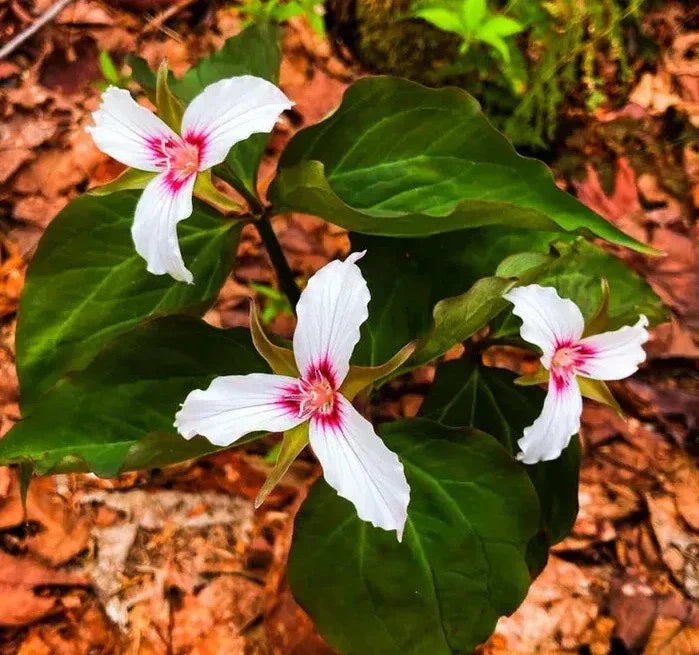
Painted Trillium is a charming woodland flower that brings soft beauty to your shade garden. You see white petals with a deep pink center that stands out against rich green leaves. This plant grows best in cool, moist, well-drained soil with partial to full shade. You plant it when you want a natural forest look under trees or along shaded paths. With gentle care and patience, you can enjoy its spring blooms year after year.
If you're looking for more shade-loving plants like this, explore our full collection at Evergreen Trees to find the perfect addition for your garden.
What Is Painted Trillium and Why Is It Unique?
Painted Trillium, also known as Trillium undulatum, is a graceful woodland flower that stands out in your shade garden. You see three green leaves and a single white bloom with a bright pink center that looks hand-painted. Its simple three-part design makes it unique and easy to recognize. You grow it when you want a calm, natural forest feel, and each spring it rewards you with soft, eye-catching beauty.
Key Features That Make Painted Trillium Stand Out
Painted Trillium is not just another woodland flower. You grow it for its quiet beauty and natural charm that instantly lifts your shade garden.
- Eye-catching bloom: You see pure white petals with a deep pink or red center that looks hand-painted.
- Three-part structure: You notice three leaves, three petals, and three sepals that give it a clean, balanced look.
- Early spring color: You enjoy soft blooms at a time when most plants are still waking up.
- Shade-loving nature: You plant it in cool, wooded areas where many flowers struggle to grow.
- Long-term presence: Once settled, it returns each year and gradually forms a peaceful woodland display.
With these features, you can easily make Painted Trillium a standout plant in your spring garden.

Botanical Classification and Plant Type
Painted Trillium is a perennial plant with the classic three-leaf, three-petal structure. You grow it from underground rhizomes, and once established, it returns every year, slowly spreading to create a natural, long-lasting woodland look in your garden.
Native Regions and Forest Habitat
Painted Trillium thrives in the shaded forests of eastern North America. You grow it to bring a touch of woodland charm to your garden.
- Native range: Eastern North America, especially cool, forested areas
- Preferred soil: Moist, well-drained soil like a forest floor
- Light requirements: Dappled sunlight under trees
- Ideal setting: Woodland gardens, shaded borders, under deciduous trees
- Natural charm: Adds authentic forest beauty and spring color
You plant it to create a serene, natural woodland feel in your garden.
Reasons to Grow Painted Trillium
You grow Painted Trillium to add quiet elegance and natural charm to your garden. It’s perfect for shaded spots and woodland-style landscapes.
- Beautiful spring blooms: White petals with a pink center brighten early spring.
- Low maintenance: Once established, it comes back year after year.
- Shade-tolerant: Thrives in areas where many other plants struggle.
- Natural woodland look: Adds a peaceful, forest-like feel to your garden.
- Wildlife friendly: Attracts pollinators like bees while keeping your garden lively.
With these benefits, Painted Trillium makes any shaded garden more inviting and serene.
Ornamental Appeal in Shade Gardens of Painted Trillium
You grow Painted Trillium to instantly lift the look of any shaded garden. Its delicate white petals with a pink center stand out beautifully against green leaves.
- Elegant blooms: Adds soft, eye-catching color in early spring
- Perfect for shade: Thrives where sunlight is limited
- Natural arrangement: Low-growing habit creates a layered, woodland effect
- Seasonal charm: Brings life to your garden when many plants are still dormant
- Long-lasting beauty: Returns every year, slowly forming a peaceful forest-like display
It’s an easy way to make shaded areas of your garden look magical and serene.
Value for Native Plant Landscapes
You grow Painted Trillium to enhance native plant gardens with authentic woodland charm. It blends naturally with other shade-loving plants while supporting local ecosystems.
- Supports biodiversity: Attracts pollinators like bees and butterflies
- Low maintenance: Grows well in natural soil and shade without much care
- Native beauty: Adds a true forest feel to your landscape
- Long-term presence: Perennial growth ensures reliable spring blooms each year
- Eco-friendly choice: Perfect for sustainable, native plant gardens
Painted Trillium is ideal for creating a serene, natural landscape that benefits both your garden and local wildlife.
Benefits for Local Wildlife and Pollinators with Painted Trillium
Painted Trillium brings life to your shaded garden while supporting local wildlife.
- Attracts pollinators: Bees and butterflies visit for early spring nectar
- Supports small wildlife: Provides shelter and cover
- Promotes biodiversity: Blends naturally with other native plants
- Eco-friendly: Grows without chemicals, safe for animals
You grow it to create a lively, wildlife-friendly garden that thrives naturally.
Ideal Growing Environment for Painted Trillium
You grow Painted Trillium in conditions that mimic its natural woodland habitat to help it thrive beautifully.
- USDA Hardiness Zones: Grows well in zones 3 to 8
- Light Needs: Prefers partial to full shade, ideal for shaded gardens
- Soil Preferences: Moist, well-drained soil with plenty of organic matter and a slightly acidic to neutral pH.
By providing these conditions, you ensure Painted Trillium flourishes, bringing long-lasting beauty and a natural forest feel to your garden.
Best Companion Plants for Woodland Settings with Painted Trillium
You grow Painted Trillium best when you pair it with other shade-loving plants that create a natural woodland feel. Here are great companion ideas, including some lovely plants from our Ever Green Trees.
- Blue Cohosh: A native perennial with interesting foliage, perfect for shaded woodland beds.
- White Baneberry: Offers bright berries and shade tolerance, adding color and wildlife value.
- Lyreleaf Sage: Groundcover with soft silver green leaves that mix well with trilliums.
- Ferns: Lush foliage adds texture and stays green in shady woodland areas.
- Hostas: Classic shade plants with rich leaf patterns that fill gaps beautifully.
- Virginia Bluebells: Early spring blooms that match the timing and setting of Painted Trillium.
- Solomon’s Seal: Arching stems and delicate flowers add vertical interest.
These companion plants share similar light and soil needs, helping you build a lush, layered woodland garden around your Painted Trillium.
When and How to Plant Painted Trillium
You plant Painted Trillium in early fall or early spring for best results. Choose a shaded spot with moist, well-drained soil rich in organic matter. Plant rhizomes just 1 to 2 inches below the soil surface, spacing them 6 to 12 inches apart to allow room for growth. Planting in the right season helps the roots establish well and ensures healthy spring blooms.
Ongoing Care and Maintenance of Painted Trillium
You care for Painted Trillium to keep it healthy and blooming year after year. Water regularly to keep the soil moist but not soggy, especially during dry spells. Enrich the soil with a light application of organic fertilizer in early spring to support growth and flowering. Mulch around the plants to retain moisture, regulate soil temperature, and protect roots during cold months. With consistent watering, proper soil care, and seasonal protection, your Painted Trillium will thrive and bring lasting woodland charm to your garden.
Blooming Cycle and Growth Stages of Painted Trillium
You enjoy Painted Trillium for its delicate beauty and predictable seasonal growth. Key points include:
- Spring emergence: New shoots appear in early spring, forming three lush green leaves.
- Blooming period: Signature white flowers with a pink center open in mid to late spring.
- Spring ephemeral nature: Blooms quickly before trees fully leaf out, then foliage retreats, storing energy in underground rhizomes.
- Post bloom growth: Focus shifts to leaf growth and rhizome energy storage for next year’s blooms.
- Tips to support flowers: Keep soil moist, apply light organic fertilizer in early spring, and avoid disturbing roots to encourage healthy blooms.
Following these stages and tips ensures vibrant, reliable spring blooms each year.
Propagation and Multiplication Methods of Painted Trillium
You can propagate Painted Trillium to expand your woodland garden naturally. The main methods include:
- Division: Carefully dig up established clumps in late summer or early fall and separate rhizomes for replanting.
- Seed sowing: Collect seeds after flowering and sow them in shaded, moist soil. Keep in mind, seeds may take a few years to bloom.
- Patience is key: Painted Trillium grows slowly, so allow time for new plants to establish and thrive.
Using these methods, you can gradually increase your Painted Trillium collection while maintaining healthy, natural growth.
Common Challenges and Practical Solutions of Painted Trillium
You grow Painted Trillium best when you understand its challenges and take simple steps to protect it. Key points include:
- Identifying pests and diseases: Watch for slugs, snails, and fungal infections that can damage leaves or flowers. Remove pests by hand and treat minor fungal issues with natural fungicides.
- Preventing root rot: Ensure soil is well-drained and avoid overwatering, especially in shaded areas.
- Managing environmental stress: Protect plants from harsh sun, extreme drought, or heavy foot traffic to keep them healthy.
By spotting issues early and providing the right care, you help Painted Trillium thrive year after year.
Conclusion
Painted Trillium is a beautiful addition to any shade or woodland garden. You grow it for its delicate white flowers with a striking pink center, its spring ephemeral charm, and its ability to bring a peaceful, natural feel to shaded spaces. By providing the right soil, light, and care, and pairing it with complementary companion plants, you ensure healthy growth and reliable blooms year after year. With patience and attention to its needs, Painted Trillium rewards you with lasting beauty, making your garden feel like a serene woodland retreat.
FAQs
How long does Painted Trillium take to bloom?
Painted Trillium usually takes 2 to 3 years after planting to produce its first flowers. You grow it patiently, allowing the rhizomes to establish, and once settled, it blooms reliably each spring.
Can Painted Trillium grow in full sun?
No, Painted Trillium prefers partial to full shade. You grow it in shaded or woodland areas, as too much direct sun can stress the plant and reduce flowering.
Is Painted Trillium easy to transplant?
Painted Trillium is slow-growing and sensitive, so transplanting can be tricky. You should transplant carefully in early fall or early spring, keeping the rhizomes intact, and water well to help it establish in its new location.
Is Painted Trillium safe around pets?
No, Painted Trillium is toxic if ingested by pets. You should plant it in areas where dogs, cats, or other animals won’t chew on the leaves or flowers to keep your furry friends safe.
