
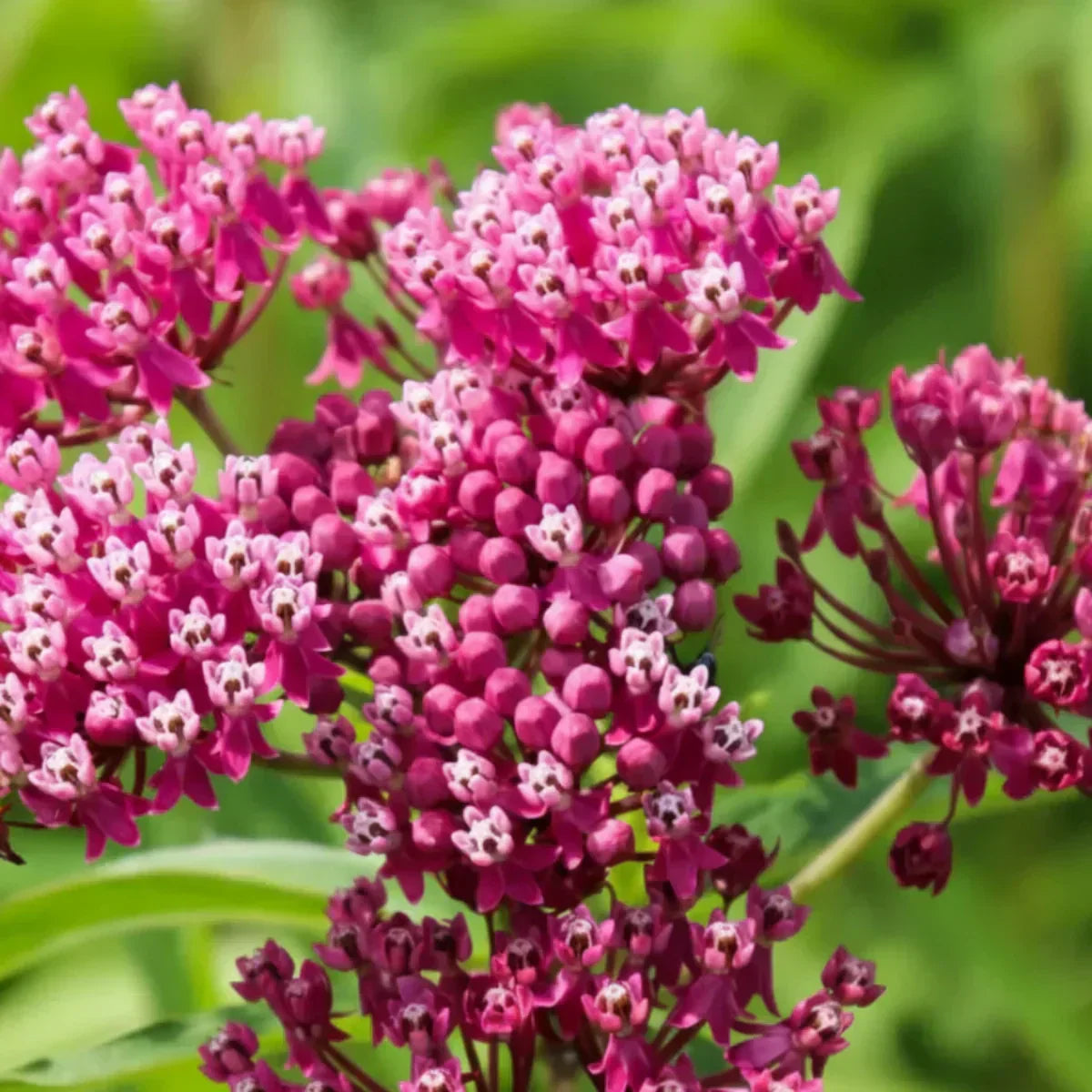
Milkweed Plant is a smart choice if you want beauty with real purpose in your garden. You will find Milkweed Plant care simple once the roots are settled in. You can grow this plant easily while supporting monarch butterflies and other helpful pollinators. With different milkweed plant types available, you can choose varieties that grow well in your area.
Most milkweed plants prefer sunny locations with well-drained soil. When you plant milkweed, you gain beautiful seasonal flowers along with long-lasting wildlife benefits. You don’t need any experience and skills, as milkweed grows strong with minor maintenance. Step by step guide helps you understand everything from care, types and benefits to butterfly support.
What Is a Milkweed Plant?
It is a beautiful flowering plant that helps butterflies to live and grow in your garden. You will notice it gets its name from the white, milky sap found inside its stems. This plant is essential if you want to support monarch butterflies, as they lay their eggs only on milkweed.
You may be surprised by how useful milkweed is once you start growing it. It also attracts bees and other beneficial insects, making your garden more active and healthy. You can grow milkweed easily in gardens or open spaces, as it comes in many types, shapes, and sizes. When you plant milkweed, you can create a stronger connection with nature while taking a small but meaningful step toward protecting wildlife.
Why Monarchs Can’t Live Without Milkweed
If you want to attract monarch butterflies to your backyard, you need to start with Milkweed. It is not just a “nice-to-have” plant it is a lifesaver plant. Monarchs are very selective and will only lay their eggs on milkweed leaves.
Once the eggs hatch, the tiny caterpillars depend completely on milkweed leaves for food. Even more fascinating, eating milkweed makes the caterpillars taste bitter to predators, giving them natural protection. Without milkweed, the monarch life cycle cannot continue. By adding even a small amount of milkweed to your garden, you’re not just planting flowers you’re creating a vital sanctuary for one of nature’s most beautiful travelers

Why Milkweed Is Essential for Pollinators
Milkweed is a lifesaver for pollinators like butterflies, bees, and hummingbirds. It is the only plant where monarch butterflies lay their eggs, as its leaves are the sole food source for their caterpillars. Butterfly milkweed flowers also provide an important energy source that helps many other insects survive. When you plant even a small patch of milkweed, your garden quickly feels more alive, active, and naturally healthy.
Milkweed Plant Benefits for Gardens and Nature
Milkweed Plant is a must-have for your garden and supports nature in many powerful ways. You will notice monarch butterflies lay their eggs only on milkweed, helping their population grow and survive. Its flowers attract bees, butterflies, and many other important pollinators to your garden.
Milkweed adds beautiful color and natural charm while remaining easy to grow. By planting milkweed, you actively support wildlife and create a garden that feels lively, healthy, and colorful benefiting both you and nature.
Importance of Milkweed for Your Garden
Milkweed plays a vital role in supporting pollinators like butterflies and hummingbirds. Monarch butterflies rely completely on milkweed to lay their eggs, and their caterpillars depend on its leaves for food. The flowers provide nectar that feeds many insects, helping them grow and thrive.
When you grow milkweed, you offer pollinators a safe space filled with food and shelter. As a result, your garden becomes more vibrant, balanced, and full of life, with frequent visits from butterflies and bees throughout the season.

Where to Buy Milkweed Plant for Home Gardens
If you want to start your garden quickly, you can buy healthy milkweed plants from Evergreen Trees. Buying from a trusted nursery is often better than starting from seed because the plants are already strong and ready to grow. This makes it easier for you to get the right milkweed varieties that are safe for butterflies, saving time while helping you enjoy pollinators in your yard much sooner.
When to Plant Milkweed
You should plant milkweed in spring, once the risk of frost has passed and the soil has warmed. This timing allows the plant to develop strong roots before summer. If you live in a region with mild weather, you can also plant milkweed in early fall.
When planted at the right time, milkweed establishes quickly and soon begins attracting butterflies and bees. If you enjoy plants that return year after year with lasting beauty and life, you’ll also love exploring the Perennials, where milkweed fits naturally among other long-lasting garden favorites.
Where to Plant Milkweed
Milkweed grows best when you plant it in the right location from the start. Since mature plants develop deep roots and do not like to be moved, choosing the correct spot helps ensure strong growth and better butterfly activity.
- Full Sun: Plant milkweed where it receives direct sunlight for most of the day.
- Well-Drained Soil: Choose soil that drains well and does not hold standing water
- Permanent Location: Pick a spot where the plant can grow undisturbed for many years.
- Butterfly-Friendly Spots: Place milkweed near other flowering plants to attract butterflies and bees.
- Away from Foot Traffic: Avoid planting near walking or play areas to prevent damage.
- Open Air Space: Make sure there is good airflow around the plant to support healthy growth.
How to Care for a Milkweed Plant Successfully
To help your milkweed grow well, water it regularly during the first year so the roots can establish properly. After that, the plant largely takes care of itself and needs very little attention. Make sure it receives plenty of sunlight and is planted in well-drained soil. When you allow milkweed to grow naturally after the first year, it becomes taller, blooms more beautifully, and attracts butterflies and bees to your garden regularly.
Easy Steps to Care for Your Milkweed
You can keep your milkweed plant healthy with just a few simple steps:
- Plant it in soil that doesn’t stay soggy.
- Water it regularly during the first year to build strong roots.
- Ensure it receives at least 6 hours of sunlight daily.
- After blooming, trim any dead or damaged stems to encourage better growth.
- During fall and winter, allow the plant to rest naturally.
When you follow these steps, milkweed grows stronger, blooms beautifully, and keeps butterflies and bees visiting your garden throughout the season.
How to Prevent Milkweed from Spreading
Milkweed can spread easily through seeds, so keeping it under control is helpful. You can remove seed pods before they open or grow milkweed in a defined area such as a garden bed or container. By managing seed pods early, you can keep your garden neat while still enjoying a healthy plant that continues to attract butterflies.
Milkweed Safety and Common Concerns
Milkweed is generally safe for your garden, but you should handle it with care. Its leaves and sap can be mildly toxic if eaten, so keep pets and small children away from the plant. Some people may experience skin irritation from the sap, so wearing gloves while pruning is recommended. By planting milkweed in a dedicated area and handling it properly, you can safely enjoy its flowers and the butterflies it attracts.
Conclusion
Milkweed is about much more than adding beauty to your garden. When you plant milkweed, you are creating a real home for monarch butterflies, bees, and many other hardworking pollinators. Seeing monarchs choose your plants to lay their eggs is a powerful reminder that your garden is making a difference.
Even a small patch of milkweed can completely change the energy of your outdoor space. It is a tough, low-maintenance plant that largely takes care of itself once established. All it needs from you is sunlight, occasional watering, and light trimming.
By adding milkweed to your garden, you get to enjoy beautiful flowers while knowing you are actively helping nature thrive. Every single plant matters and your garden will feel more alive than ever because of it
FAQs
Why Should You Grow Milkweed?
When you grow milkweed, you give bees and butterflies a rich source of nectar. You also help monarchs survive, since they lay eggs only on this plant.
Is Milkweed Safe for Kids and Pets?
Milkweed is toxic if eaten, so it can harm children and pets. You should plant it in areas they can’t easily reach.
What Milkweed Is Best for Monarchs?
You should choose native milkweed varieties like common milkweed, swamp milkweed, or butterfly weed. Monarchs rely on these plants for eggs and caterpillars.
Is It Safe to Handle Milkweed and Caterpillars?
You can handle them carefully, but milkweed sap may irritate your skin. Wearing gloves and touching caterpillars gently is the safest approach.
Can Milkweed Sap Burn Your Skin?
Milkweed sap can irritate or burn your skin in some cases. You should wear gloves and wash your skin right away if sap touches it.
