
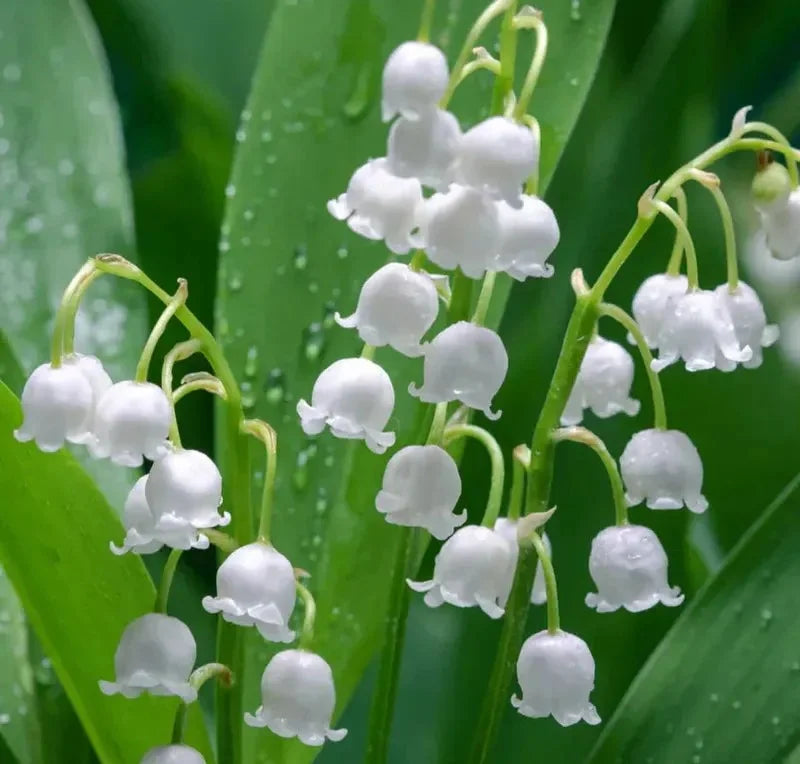
Lily of the Valley is a small, fragrant garden plant that thrives in shady spots. You can plant it in partial or full shade, and it slowly spreads to create a beautiful ground cover. You’ll enjoy its tiny white, bell-shaped flowers and sweet scent, which add charm and elegance to your garden. With simple watering and basic care, this perennial plant comes back every year, making it perfect if you want low-maintenance, shade-loving flowers. For convenience, you can find healthy Lily of the Valley plants at Ever Green Trees, ready to enhance your garden.
What Is Lily of the Valley?
Lily of the Valley is a small, easy-to-grow garden plant with tiny white, bell-shaped flowers and a sweet fragrance. You can plant it in shady or partially shaded spots, and it will slowly spread to create a natural ground cover. You’ll love how it adds charm, fragrance, and a delicate touch to your garden. With simple care, it comes back every year, making it a perfect choice if you want low-maintenance, shade-loving flowers that brighten up your outdoor space.

Scientific Name and Plant Classification
When you want to know more about Lily of the Valley, here’s how it is classified:
- Scientific Name: Convallaria majalis
- Family: Asparagaceae
- Type: Perennials, shade-loving flowering plant
- Origin: Native to Europe and Asia
- Growth Habit: Low-growing, spreads through underground rhizomes
Knowing its scientific name and classification helps you understand how it grows and where it thrives best in your garden.
Key Botanical Characteristics
To understand Lily of the Valley better, check out its main features:
- Leaves: Broad, lance-shaped, bright green, grow in pairs from the base
- Flowers: Tiny, white, bell-shaped, very fragrant, bloom in spring
- Height: Grows 6 to 12 inches tall, perfect for ground cover
- Roots: Spreads through underground rhizomes for easy propagation
- Lifespan: Hardy perennial that returns year after year
These characteristics make it a charming, low-maintenance plant that adds fragrance and beauty to your shady garden spots.
How to Identify Lily of the Valley in the Garden
You can easily spot Lily of the Valley by looking for its tiny, white, bell-shaped flowers that hang delicately from thin stems in spring. Its bright green, lance-shaped leaves grow in pairs from the base, creating a low, leafy ground cover. You’ll notice its sweet fragrance filling the air on warm days. The plant spreads slowly through underground rhizomes, so once you see it, it often forms a charming patch in shady or partially shaded areas of your garden.

Where Did Lily of the Valley Originate?
Lily of the Valley comes from Europe and parts of Asia. People also carried it to new regions because of its beauty and fragrance. You’ll find it naturally in cool, shady forests. When you plant it in your garden, it brings charm, fragrance, and low-maintenance beauty to your shaded spots.
Plants Similar to Lily of the Valley
If you love Lily of the Valley, you’ll enjoy adding these similar shade-loving, low-maintenance plants to your garden.
- Trillium Plant: A small woodland perennial with delicate flowers that brighten shady spots.
- Blue Cohosh: Low-growing groundcover with unique foliage, perfect for natural-looking garden corners.
- White Baneberry: Hardy, shade-loving perennial with pretty blooms and berries for extra charm.
- Carex pensylvanica: Grass-like plant that spreads to create soft, green ground cover.
- Lyreleaf Sage: Woodland perennial with elegant, delicate flowers for partial shade areas.
- Siberian Iris: A low-maintenance flowering plant that thrives in shady or partially shaded spots.
By planting these alongside or instead of Lily of the Valley, you can create a fragrant, charming, and low-maintenance garden that thrives in shade and looks beautiful year after year.
How to Grow Lily of the Valley Successfully
If you want Lily of the Valley to thrive in your garden, follow these simple steps:
- Choose the Right Spot: Plant in shady or partially shaded areas.
- Prepare the Soil: Use well-drained, fertile soil.
- Plant the Rhizomes: Place them a few inches deep, leaving room to spread.
- Water Regularly: Keep the soil moist, especially during dry periods.
- Mulch: Helps retain moisture and keeps roots cool.
With these easy steps, you’ll enjoy delicate flowers and a low-maintenance, fragrant ground cover every year.
Best Soil, Light, and Temperature Conditions
To help Lily of the Valley grow healthy and bloom beautifully, pay attention to these conditions:
- Soil: Well-drained, fertile, and slightly acidic to neutral.
- Light: Partial to full shade; avoid direct, harsh sunlight.
- Temperature: Thrives in cool to moderate climates; protects well in shaded spots during heat.
By giving your Lily of the Valley the right soil, light, and temperature, you’ll enjoy a fragrant, low-maintenance plant that spreads naturally and brightens your garden year after year.
When and Where to Plant for Best Results
To get the most from your Lily of the Valley, keep these tips in mind:
- Best Time to Plant: Early spring or fall for strong growth.
- Ideal Location: Shady or partially shaded areas in your garden.
- Soil Preparation: Well-drained, fertile soil enriched with compost.
- Spacing: Leave a few inches between plants to allow spreading.
By planting at the right time and in the right spot, you’ll enjoy healthy growth, beautiful blooms, and a fragrant, low-maintenance ground cover in your garden.
Growing in Garden Beds vs Containers
You can grow Lily of the Valley in garden beds or containers. Garden beds let it spread naturally and form a lovely ground cover, while containers are perfect for controlling growth or moving plants. Containers may need more watering, but either way, you’ll enjoy fragrant, delicate flowers that brighten shady spots with minimal effort.
How to Care for Lily of the Valley Year-Round
To keep your Lily of the Valley healthy and blooming every year, follow these simple steps:
- Spring: Water regularly and check for new shoots; remove any old or damaged leaves.
- Summer: Keep soil moist, especially during dry periods; watch for pests.
- Fall: Clear fallen leaves and add a light layer of mulch to protect roots.
- Winter: Mulch well to insulate roots and prevent frost damage; minimal care needed.
With this routine, you’ll enjoy fragrant, delicate flowers that return every year.
How and When Does Lily of the Valley Bloom?
You’ll see Lily of the Valley bloom in spring, usually from April to June. During this time, its tiny white, bell-shaped flowers release a sweet fragrance that fills shady spots in your garden. By planting it in partial shade with well-drained soil, you can enjoy its delicate blooms year after year.
How to Encourage More Flowers
You can get more blooms by planting Lily of the Valley in partial shade with well-drained soil, watering regularly, and fertilizing lightly in early spring. Removing dead leaves and letting them spread naturally also helps you enjoy more fragrant flowers each year.
Varieties of Lily of the Valley
- Convallaria majalis ‘Albostriata’: White flowers with striped leaves.
- Convallaria majalis ‘Rosea’: Pale pink bell-shaped flowers for a unique touch.
- Convallaria majalis ‘Plena’: Double white flowers with extra fullness.
- Convallaria majalis ‘Hardwick Hall’: Strong, fragrant blooms with dark green foliage.
By choosing the right variety, you can add fragrance, color, and charm to shady spots in your garden year after year.
How to Propagate Lily of the Valley
You can easily multiply Lily of the Valley in your garden by following these steps:
- Division: In early spring or fall, dig up established plants and separate the rhizomes.
- Replanting: Plant the divided rhizomes a few inches deep in shady, well-drained soil.
- Watering: Keep the soil moist until new growth appears.
- Spacing: Leave room for the plant to spread naturally.
By propagating this way, you’ll enjoy more fragrant, low-maintenance flowers in additional spots of your garden.
What Problems Can Lily of the Valley Develop?
While Lily of the Valley is low-maintenance, you may notice a few issues in your garden. It can develop root rot if the soil stays too wet and may suffer from leaf spots or fungal infections in humid conditions. Aphids and slugs can also damage leaves. By planting in well-drained soil, removing dead leaves, and checking regularly for pests, you can keep your plants healthy and enjoy fragrant blooms year after year.
Is Lily of the Valley Safe?
You should be careful if you have young children, pets, or curious animals that might try to eat plants. Lily of the Valley is toxic, so it’s best to plant it out of reach or in containers where they can’t access it. By taking these precautions, you can safely enjoy its fragrant flowers and beauty in your garden.
Why Is Lily of the Valley Important in Culture and History?
You’ll find Lily of the Valley has been cherished for centuries for its beauty and fragrance. It symbolizes purity, happiness, and renewal, and is often used in weddings, spring celebrations, and traditional gardens. By planting it in your garden, you’re bringing a piece of this history and cultural charm, enjoying flowers that have delighted people for generations.
Conclusion
If you want a fragrant, low-maintenance plant that brightens shady spots, Lily of the Valley is perfect for you. You’ll enjoy its delicate white bell-shaped flowers, sweet scent, and the way it naturally spreads to create charming ground cover. With simple care like watering, mulching, and seasonal maintenance, it comes back year after year. Just plant it out of reach of pets and children, and you’ll have a garden full of elegance and fragrance. Add Lily of the Valley to your garden and enjoy its timeless beauty and charm.
FAQ
What Makes Lily of the Valley So Fragrant?
You’ll notice Lily of the Valley has a sweet, fresh scent from its tiny white flowers. Its fragrance fills shady spots in your garden and attracts pollinators like bees.
Can It Grow Indoors?
Yes, you can grow Lily of the Valley indoors in pots with well-drained soil. Make sure it gets bright, indirect light and regular watering to keep it healthy and blooming.
Is It Invasive in Some Regions?
Yes, Lily of the Valley can spread quickly in your garden through underground rhizomes. You’ll need to control its growth if you don’t want it to take over other plants.
How Long Does It Live?
You’ll enjoy Lily of the Valley for many years, as it is a hardy perennial. With proper care, it comes back every spring, year after year.
