
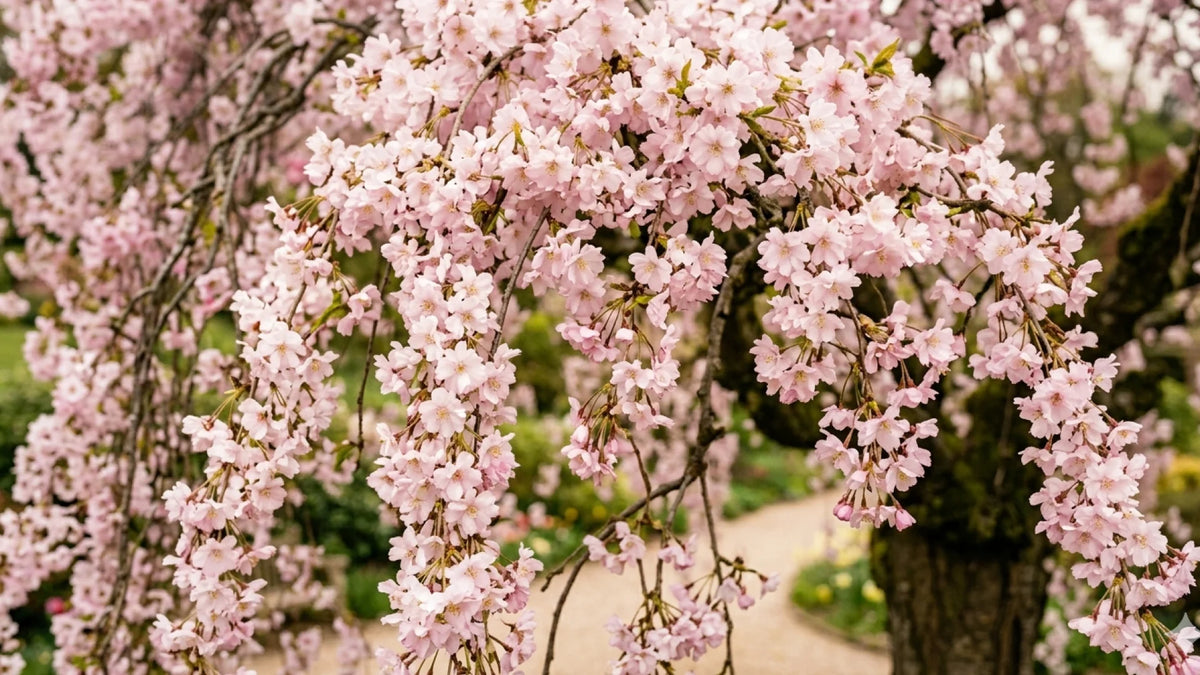
Your weeping cherry tree bloomed like a dream last spring, but now you are worried it may not repeat. Many gardeners face this exact problem every year without knowing why. A weeping cherry tree can produce breathtaking blossoms year after year with the right care. Missing just one or two steps can leave it dull, sparse, or completely flowerless next season. The good news is that the fixes are simpler than most people expect. This guide covers everything from soil and sunlight to pruning and pest control. Follow these steps consistently and your tree will reward you with stunning blooms season after season.

Why Your Weeping Cherry Tree May Stop Blooming
A healthy weeping cherry tree blooms reliably every spring without much fuss. But when something is off, the first thing to go is the flowers. Before fixing the problem, you need to understand what is causing it in the first place.
Common Culprits Behind Poor Blooming
-
Wrong Sunlight: Weeping cherry trees need at least six hours of full sun each day to bloom well. Planting them in shade or near large structures blocks the light they need. Without enough sun, the tree shifts energy away from flower production entirely.
-
Over-Fertilizing: Applying too much nitrogen-rich fertilizer pushes the tree to grow more leaves instead of flowers. This is one of the most common mistakes homeowners make during spring feeding. Use a balanced, slow-release fertilizer to avoid this problem.
-
Pruning at the Wrong Time: Cutting branches in late summer or fall removes the buds that would bloom next spring. Always prune right after the blooming period ends in spring. This protects next season's flower buds from accidental removal.
-
Root Damage: Construction work, compacted soil, or digging near the root zone can stress the tree badly. A stressed tree focuses on survival rather than producing beautiful seasonal blooms. Protect the area around the tree from heavy foot traffic and digging.
Choosing the Right Location for Maximum Blooms

The location of your weeping cherry tree affects its blooming more than almost anything else. Getting this right from the start saves a lot of trouble later on.
Weeping cherry trees grow best in spots with full, direct sunlight throughout most of the day. They also need well-drained soil that does not hold standing water after heavy rain. Avoid planting them in low areas where water tends to pool near the roots.
The tree also needs enough space to spread its graceful, weeping branches without crowding. Plant it at least fifteen feet away from structures, fences, and other large trees. Good airflow around the canopy helps reduce fungal disease and keeps the tree healthier overall.If you are planning a garden layout, exploring different flowering trees can also help you choose the perfect companions for a balanced landscape.
Watering the Right Way
Watering seems simple, but doing it incorrectly causes more tree problems than most gardeners realize. Weeping cherry trees do not like soggy roots or drought stress at the same time.
How Often to Water
Young trees need deep watering two to three times per week during their first growing season. Once established, they handle moderate dry periods much better than newly planted ones. During heat waves or extended dry spells, water deeply at least once a week.
How to Water Properly
-
Deep Watering: Water slowly and deeply to encourage roots to grow downward into the soil. Shallow watering creates shallow roots that stress the tree more easily during drought.
-
At the Root Zone: Direct water to the soil around the base, not onto the trunk or leaves. Wet bark and foliage encourage fungal diseases that weaken the tree over time.
-
Check Moisture First: Push a finger two inches into the soil before watering to check if it is dry. Watering when the soil is still moist leads to root rot and declining tree health.
Feeding Your Tree for Better Blooms
The right fertilizer at the right time makes a noticeable difference in bloom quality. Feeding your weeping cherry tree well encourages strong flower production each spring.
Apply a low-nitrogen, phosphorus-rich fertilizer in early spring before new growth begins each year. Phosphorus supports root development and directly encourages more abundant flowering in ornamental trees. Avoid fertilizing after midsummer, as late feeding pushes new growth that can be damaged by frost.
Do not skip the soil test before you start a feeding routine each season. A soil test tells you exactly what nutrients are missing and what the current pH level is. Weeping cherry trees prefer a slightly acidic soil pH between 6.0 and 7.0 for best results.
Pruning to Protect Blooms
Pruning is one of the most powerful tools for keeping a weeping cherry tree healthy and blooming. Done at the right time and in the right way, it improves flower production every year.
When to Prune
Always prune your weeping cherry tree immediately after it finishes blooming in spring. Waiting too long risks cutting off the buds that are already forming for next year. Never prune in fall or winter when the dormant buds are most vulnerable to damage.
What to Remove
-
Dead Branches: Remove any branches that appear dry, brittle, or completely without leaves each season. Dead wood drains resources from the rest of the tree and can spread disease.
-
Crossing Limbs: Cut any branches that rub or cross over each other inside the canopy. Rubbing branches create wounds that invite pests and fungal infections into the tree.
-
Upward Growth: Weeping cherry trees sometimes send shoots straight upward against their natural form. Remove these promptly to maintain the graceful weeping shape the tree is known for.
Protecting Against Pests and Disease
Pests and disease can quietly reduce a weeping cherry tree's ability to bloom without obvious warning signs. Catching problems early is always easier than treating an advanced infection or infestation.
Pests to Watch For
-
Aphids: These tiny insects cluster on new growth and suck sap from developing buds and leaves. Spray them off with a strong stream of water or treat with insecticidal soap for quick control.
-
Borers: Cherry tree borers tunnel into the bark and disrupt the flow of water and nutrients. Look for small holes, sawdust-like frass, or weeping sap at the base of branches.
-
Scale Insects: These look like small bumps on the bark and are easy to overlook without close inspection. Treat with dormant oil spray in late winter before new growth begins in spring.
Diseases to Watch For
-
Black Knot: A fungal disease that causes dark, swollen growths on branches throughout the tree. Remove infected branches at least six inches below the visible growth to stop its spread.
-
Brown Rot: Affects flowers and fruit, turning them brown and mushy quickly in wet spring weather. Improve air circulation and remove all diseased material from the ground beneath the tree.
Mulching for Root Health and Bloom Support
Mulch is one of the simplest and most effective ways to support a blooming weeping cherry tree. It protects roots, retains moisture, and keeps soil temperature stable through seasonal changes.
Apply a two-to-four-inch layer of organic mulch around the base of the tree each year. Use wood chips, shredded bark, or composted leaf material for the best results over time. Keep the mulch at least three inches away from the trunk to prevent rot and pest issues.
Mulch also suppresses weeds that compete with the tree for water and nutrients in the soil. Fewer weeds mean the tree gets more of what it needs to produce strong, consistent blooms each season.
Preparing Your Tree for Winter

What you do in fall directly affects how your weeping cherry tree blooms the following spring. Proper winter preparation protects the flower buds that are already forming on the branches.
Stop fertilizing by late summer so the tree can harden off naturally before the first frost arrives. Continue watering until the ground freezes to help the tree enter dormancy well-hydrated and strong. Wrap the trunk with tree guard tape if you live in an area with harsh winters or frequent freeze-thaw cycles.
Avoid heavy pruning in fall since the dormant buds on the branches are next spring's blooms. Protecting those buds through winter is one of the most important things you can do for bloom success.
Conclusion
A weeping cherry tree in full bloom is one of the most beautiful sights a garden can offer. Keeping it that way is not complicated, but it does require consistent attention to a few key areas. Give it the right sun, water it deeply, feed it properly, and prune it at the right time. Watch for pests and disease, mulch the root zone, and protect it through winter each year. Do all of these things regularly and your weeping cherry tree will keep blooming beautifully for many years to come.For more expert tips and quality plants, you can always explore evergreentrees to keep your garden thriving year-round.