
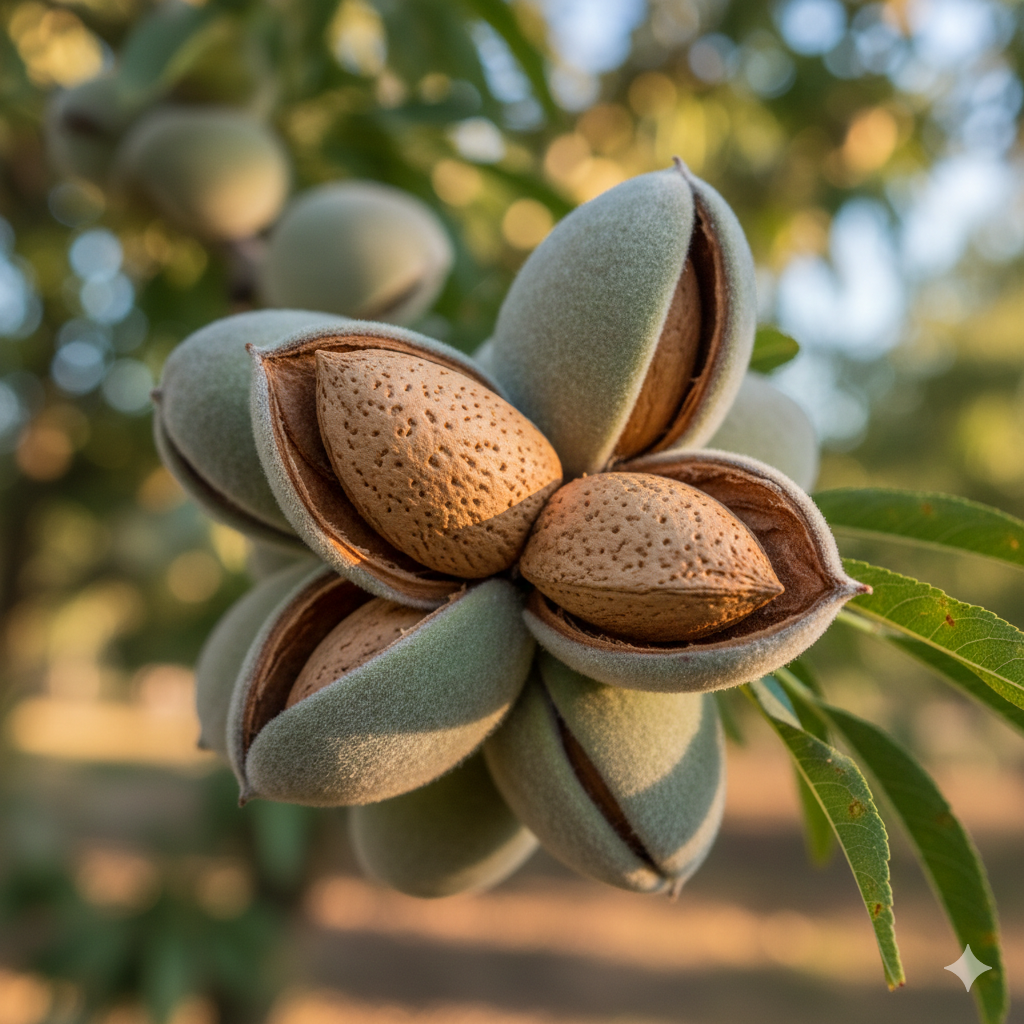
Hall’s Hardy Almond Plant is a rare and reliable choice for gardeners who love almonds but live in colder regions. Unlike traditional almond plants that struggle with frost and harsh winters, this hardy variety is bred to survive low temperatures while still producing beautiful blossoms and edible almonds. It combines ornamental beauty with practical value, making it a smart addition to home gardens and cold-climate landscapes.
For gardeners looking to grow nut plants without constant worry about winter damage, Hall’s Hardy Almond Plant offers confidence, resilience, and long-term rewards.
What Makes Hall’s Hardy Almond Plant Special?
Hall’s Hardy Almond Plant stands out because of its strong cold tolerance. While most almond plants prefer warm, mild climates, this variety can handle freezing winters and late spring chills better than standard almond plants.
Key qualities include:
-
Improved resistance to cold temperatures
-
Strong branching structure
-
Reliable flowering even after winter
-
Dual purpose: ornamental and nut-producing
This makes it especially valuable for gardeners in cooler regions who want to expand beyond traditional fruit plants.
A Plant That Changes Beautifully with the Seasons
One of the biggest appeals of Hall’s Hardy Almond Plant is its seasonal beauty:
-
Spring: Before most plants fully wake up, the almond plant produces soft pink blossoms that cover bare branches, brightening the garden and attracting early pollinators.
-
Summer: Green leaves fill out the canopy, providing light shade while almonds begin developing quietly.
-
Autumn: Leaves turn warm shades before falling, and almonds mature, ready for harvest.
-
Winter: Even without leaves, the plant’s natural shape adds structure to the garden, standing strong against cold weather.
Why Cold Climate Gardeners Choose This Almond Plant
Gardeners in colder regions often have limited nut plant options. Hall’s Hardy Almond Plant fills that gap.
Reasons it’s a favorite:
-
Survives winter temperatures that damage other almond plants
-
Requires less protection during frost
-
Grows steadily without rushing
-
Fits well in mixed orchards with apple, pear, or other hardy fruit plants
It’s an excellent choice for gardeners who want long-term planting success rather than short-lived results.

Where Should You Plant Hall’s Hardy Almond Plant?
Even though Hall’s Hardy Almond Plant can handle cold weather, choosing the right place to plant it still matters. It grows best in a spot that gets full sunlight for most of the day, which helps it stay healthy and produce almonds. The soil should drain well so water does not sit around the roots. Good air flow around the plant is also helpful to keep it strong.
Try to plant it where it is protected from strong winter winds. Avoid low areas where cold air collects, because this can harm the flowers in spring.
Soil Preparation for Strong Root Growth
Healthy soil helps Hall’s Hardy Almond Plant establish quickly and grow stronger over time. While it adapts to many soil types, it prefers loose, well-draining soil.
Before planting:
-
Loosen compacted soil
-
Mix in compost or organic matter
-
Remove weeds and debris
-
Improve drainage if soil holds water
Good soil preparation reduces stress and supports better flowering and almond development.
How to Plant Hall’s Hardy Almond Plant Correctly
Planting the almond plant properly sets the foundation for long-term success.
Simple planting steps:
-
Dig a hole wider than the root system
-
Keep the plant level with the ground surface
-
Spread roots gently
-
Fill in soil without packing too tightly
-
Water deeply after planting
-
Add mulch to hold moisture and protect roots
These steps help the plant settle in without shock.
Easy Care and Maintenance
Hall’s Hardy Almond Plant is not demanding once established, making it great for home gardeners.
-
Watering: Young plants need regular watering during the first few years. Mature plants mainly need water during long dry periods.
-
Pruning: Light pruning is enough. Remove dead or crossing branches to improve airflow and shape.
-
Feeding: A balanced fertilizer in early spring supports healthy growth. Avoid overfeeding, as it can reduce almond production.
Overall, care is simple and similar to other hardy nut or fruit plants.

Almond Production and Harvesting
Almonds usually mature toward late summer or early autumn. Harvest timing depends on climate and growing conditions.
Signs almonds are ready:
-
Outer hulls begin to split
-
Nuts dry naturally on the plant
-
Shells harden
Fresh almonds can be dried and stored or used in home cooking and baking. Even if production is light in early years, it improves as the plant matures.
Common Challenges and How to Avoid Them
Hall’s Hardy Almond Plant is resilient, but a few issues may appear if conditions are poor:
-
Poor drainage causing root stress
-
Frost damage to early blossoms
-
Weak growth in shaded areas
Most problems are avoided with proper site selection, sunlight, and basic care.
Long-Term Benefits of Growing Hall’s Hardy Almond Plant
This plant is a long-term investment that continues giving value year after year.
Benefits include:
-
Cold-resistant almond harvests
-
Spring blossoms and seasonal beauty
-
Wildlife and pollinator support
-
Strong landscape structure
-
Low maintenance once established
With patience, it becomes a reliable and rewarding part of the garden.

Conclusion
Hall’s Hardy Almond Plant is an excellent solution for gardeners in cold climates who want almonds without constant winter worry. Its ability to handle frost, combined with beautiful spring flowers and edible nuts, makes it both practical and ornamental.
With proper planting and simple care, this hardy almond plant can thrive for many years, offering beauty, resilience, and homegrown harvests even in cooler regions. It’s a smart choice for gardeners who value strength, longevity, and seasonal interest in one plant.
FAQs
What makes Hall’s Hardy Almond Plant different from regular almond plants?
It is specially grown to handle colder climates, surviving low winter temperatures while producing reliable almond harvests.
Can it grow in cold regions?
Yes. It performs well where traditional almond plants struggle due to frost.
How long until it produces almonds?
Most plants begin producing nuts within a few years, with better yields as they mature.
Does it need full sun?
Yes. Full sunlight helps flowering, almond development, and overall plant health.
Is it easy to maintain?
Yes. Once established, it requires basic watering, light pruning, and simple seasonal care.
Can I grow it in a home garden?
Absolutely. With enough space and proper soil drainage, it thrives in home gardens, orchards, and open landscapes.
When are almonds ready to harvest?
Late summer to early autumn, when outer hulls begin to split.
