
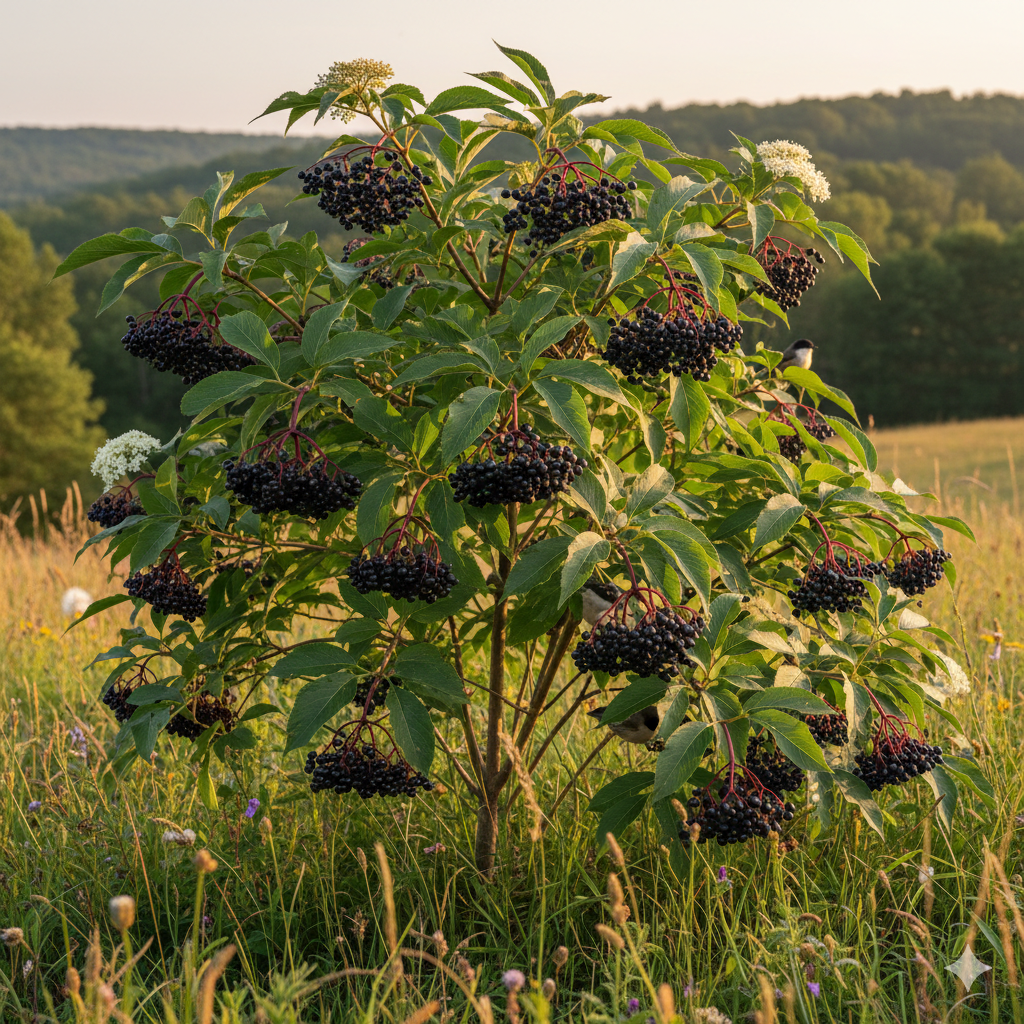
Elderberry trees are a perfect addition to any home garden, combining beauty and productivity. In spring, they bloom with delicate white flowers, and by summer, they offer dark, nutrient-rich berries ideal for jams, desserts, and healthy recipes. These trees also attract birds and pollinators, supporting a thriving garden ecosystem.
For gardeners seeking strong, reliable plants, Evergreen Trees provides carefully grown elderberry trees ready for home planting. With simple care and the right location, an elderberry tree will provide years of fresh fruit, seasonal charm, and natural beauty.
What Is an Elderberry Tree?
An elderberry tree usually grows as a large shrub or small tree. Its multiple branches create a dense canopy, which makes it useful for garden borders, hedges, or even privacy screens. Elderberry trees are known for their soft white flowers that bloom in spring, attracting pollinators like bees and butterflies.
There are different varieties of elderberry trees, including the blue elderberry tree, which is appreciated for its dark blue berries and strong growth. The berries of elderberry trees are often used for jams, syrups, wines, and other homemade products. They are packed with antioxidants, making them a favorite for gardeners who enjoy growing healthy, natural foods at home.

Why Grow an Elderberry Tree at Home?
Many gardeners choose an elderberry tree for several reasons:
-
Fast-growing: Elderberry trees establish quickly and can produce fruit in 2-3 years.
-
Low maintenance: Once established, they require minimal care.
-
Seasonal beauty: The tree’s flowers in spring and berries in summer add visual interest.
-
Supports wildlife: Birds and beneficial insects are attracted to the tree.
-
Versatile: Elderberry trees work well in mixed fruit gardens, along borders, or as a single feature.
Because of their resilience, elderberry trees are also great for beginner gardeners. Following simple elderberry tree care routines ensures strong growth and bountiful harvests year after year.
Choosing the Right Location for Your Elderberry Tree
A healthy elderberry tree starts with a good planting spot. Sunlight is essential for strong growth and berry production. Plant your tree where it receives at least 6-8 hours of direct sunlight each day.

Soil should be well-draining but retain some moisture. Elderberry trees enjoy slightly moist soil, especially in the early years of growth. Good airflow around the tree prevents fungal diseases and keeps leaves healthy. Avoid low spots where cold air settles, as late frost can damage flowers and reduce berry yields.
Elderberry trees also fit well alongside other fruit trees like apple trees and plum trees, as they share similar sunlight and watering requirements. This makes them an excellent addition to a mixed fruit garden.
How to Plant an Elderberry Tree Correctly
Planting an elderberry tree properly sets the foundation for long-term health and fruit production. Follow these simple steps:
-
Dig a hole that is wider than the tree’s root ball.
-
Place the tree at the same soil level as it was in the container or nursery.
-
Spread the roots gently.
-
Fill the hole with soil and press lightly to remove air pockets.
-
Water deeply to help the roots settle.
-
Cover the base with straw, dry leaves, or compost to retain moisture.
Giving your tree a strong start ensures it becomes a resilient plant capable of producing fruit for decades.
Essential Elderberry Tree Care
Once established, elderberry trees are forgiving, but proper care enhances growth and fruiting.
Watering
Young elderberry trees need consistent watering, especially during dry spells. Mature trees tolerate drought better but benefit from deep watering when flowers and berries are developing.
Fertilizing
Elderberry trees do not require heavy fertilization. A balanced fertilizer in early spring supports new growth, flowers, and berry development. Too much fertilizer can lead to leafy growth with fewer berries.
Pruning
Pruning is important to maintain shape, allow sunlight into the branches, and encourage fruiting. Remove weak, damaged, or overcrowded branches during late winter or early spring. Since berries grow on new growth, proper pruning increases fruit yield.
Flowering and Berry Development
Elderberry trees bloom in spring, producing clusters of fragrant white flowers. Bees and other pollinators visit the flowers, helping to set berries. By late summer, the flowers give way to dark, nutrient-rich berries, which are ready to harvest once fully colored and slightly soft.
The blue elderberry tree is especially prized for its sweet and rich-flavored berries. Regular watering and simple elderberry tree care improve both fruit size and sweetness.
Harvesting Your Elderberries
Harvest elderberries when they are fully ripe. Here are some tips for a successful harvest:
-
Pick berries gently by hand to avoid bruising.
-
Use a sheet or tray under the tree to catch falling berries.
-
Harvest during dry weather to prevent mold.
-
Eat fresh, refrigerate for a few days, or freeze for later use.
Elderberries are excellent for jams, syrups, desserts, and even natural remedies. Proper handling ensures the berries remain high quality.

Common Problems and Solutions
Elderberry trees are hardy but may face a few issues:
-
Pests: Monitor leaves and fruit; use netting if needed.
-
Frost damage: Plant in a protected spot.
-
Overcrowded branches: Prune regularly to improve air flow.
-
Waterlogging: Ensure soil drains well.
Following basic elderberry tree care routines prevents most problems and ensures a healthy, productive tree.
Benefits of Adding Elderberry Trees to Your Garden
Planting an elderberry tree adds multiple advantages:
-
Fresh fruit each season
-
Attractive spring flowers and summer berries
-
Low-maintenance once established
-
Supports birds and pollinators
-
Adds natural shade and beauty
-
Enhances biodiversity in your garden
Elderberry trees also complement other fruit trees such as apple trees, plum trees, and apricot trees, making them ideal for home orchards.
Conclusion
An elderberry tree is a great choice for gardeners who want beauty, easy care, and useful fruit in one plant. It grows well with simple attention and adds value to the garden through flowers, berries, and wildlife support. With the right planting spot and basic elderberry tree care, this tree can stay healthy and productive for many years. Whether grown for fruit or garden beauty, an elderberry tree is a smart and rewarding addition to any home landscape.
FAQs
How long does it take for an elderberry tree to produce fruit?
Most elderberry trees produce fruit within 2-3 years.
What is a blue elderberry tree?
It is a variety with dark blue berries, prized for its rich flavor and fast growth.
Does an elderberry tree need full sun?
Yes, full sun ensures better growth and more berries.
Is elderberry tree care difficult?
No, basic watering, pruning, and seasonal attention are enough.
Can elderberry trees grow with other fruit trees?
Yes, they grow well alongside apple, plum, and apricot trees.
