
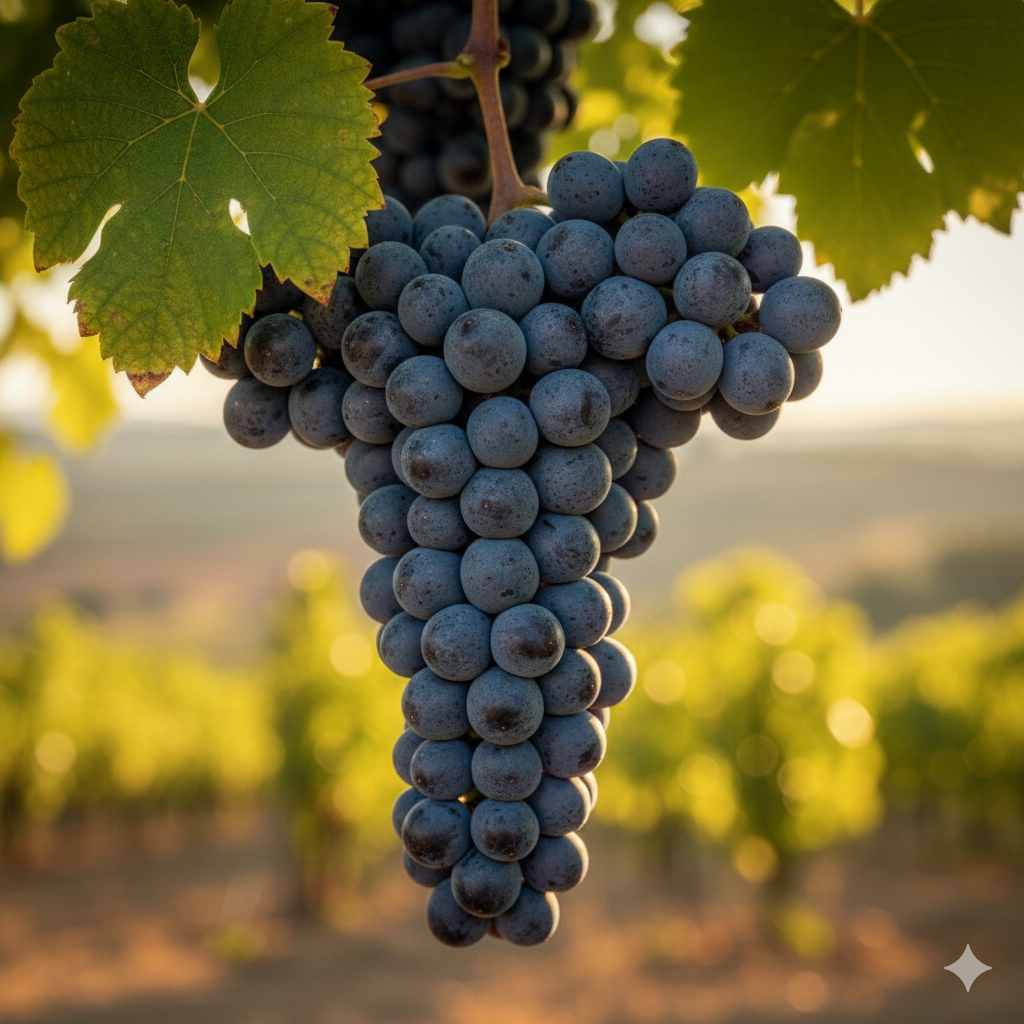
The Grape Vine Tree is a climbing vine that gradually develops a thick, woody base, giving it a tree-like appearance. With proper care and seasonal maintenance, it can produce sweet, flavorful grapes for decades. Beyond fruit production, this plant enhances your garden with lush greenery, shade, and vertical structure. If you are considering growing grapes at home, this complete guide will help you understand everything you need to know.
What Is a Grape Vine Tree and How Does It Grow?
A grape vine tree is not actually a real tree. It is a strong, woody vine that looks like a tree as it grows older. Over time, the main stem becomes thick and hard like a trunk. The plant grows long branches called canes, and these canes produce leaves, flowers, and grapes.
Grape vines use small curling tendrils to climb on supports like trellises, fences, or arbors. When trained properly, the vine grows upward, gets more sunlight, and produces better-quality grapes. As it matures, it develops a strong main trunk and new fruiting branches each year.

Why Should You Grow a Grape Vine Tree at Home?
Growing a grape vine at home offers both practical and aesthetic benefits. One of the most appealing reasons is the ability to harvest fresh grapes at peak ripeness. Store-bought grapes are often picked early for transportation, but homegrown grapes can be allowed to fully mature, resulting in better sweetness and flavor.
In addition to fresh eating, grapes can be used in multiple ways:
-
Juices and smoothies
-
Homemade jams and jellies
-
Raisins
-
Wine production
Grape vines are also long-lived plants. With proper pruning and care, they can remain productive for 20 to 30 years or more. Their climbing nature makes them ideal for covering pergolas or fences, creating natural shade and improving garden design. This combination of beauty and productivity makes them a smart addition to any landscape.

What Are the Ideal Growing Conditions for Grape Vines?
Successful grape production depends largely on growing conditions. Sunlight is the most important factor. Grape vines require at least six to eight hours of direct sunlight daily. Without sufficient sun, fruit may be small, sour, or sparse.
Well-drained soil is equally important. Grapes do not tolerate soggy roots. Heavy clay soil can lead to root rot and poor growth. If necessary, improve soil drainage by mixing in compost or organic matter before planting.
Strong support structures are essential. Installing a trellis or arbor before planting allows you to train the vine properly from the beginning. Good spacing between plants improves airflow, which reduces disease risk and promotes even ripening.
How Often Should You Water and Fertilize Grape Vines?
Watering needs vary depending on the vine’s age and climate. Young vines require consistent watering during their first growing season to establish deep roots. Mature vines are more drought-tolerant but still benefit from occasional deep watering during extended dry periods.
Fertilizing should be done carefully. Apply a balanced fertilizer in early spring before new growth begins. Avoid excessive nitrogen, as this can cause vigorous leaf growth while reducing fruit production. Moderation is key to maintaining healthy vines and high-quality grapes.
Why Is Pruning Essential for Grape Vines?
Pruning is one of the most critical aspects of grape vine care. Grapes grow on new wood, meaning each year’s fruit develops from fresh shoots. Without annual pruning, the vine becomes overcrowded, which reduces airflow and limits fruit production.
Winter dormancy is the ideal time to prune. At this stage, the plant is resting, making it easier to shape the structure and remove unnecessary growth. Proper pruning improves grape size, increases yield, and helps prevent disease by allowing better air circulation.
Although pruning may seem intimidating at first, learning the correct technique greatly improves long-term productivity.

What Can You Do with Homegrown Grapes?
Homegrown grapes offer incredible versatility. Fresh grapes make a nutritious snack packed with antioxidants and vitamins. They can also enhance salads and desserts.
Many gardeners enjoy turning their harvest into homemade products. Grape juice, jelly, and jam preserve the flavor for later use. Drying grapes into raisins is another simple option. For those interested in winemaking, specific grape varieties are well suited for producing rich and flavorful wines.
Having your own grape vine allows you to experiment with different uses while enjoying fruit harvested at peak ripeness.
What Are Common Challenges in Growing Grapes?
Like any plant, grape vines can face challenges. Low fruit yield is often caused by insufficient sunlight or improper pruning. Poor soil drainage may lead to root problems. In some climates, fungal diseases can develop if airflow is restricted.
Most of these issues can be prevented with proper care:
-
Ensure full sun exposure.
-
Provide well-drained soil.
-
Prune annually.
-
Avoid overcrowding.
Routine maintenance and seasonal attention go a long way in preventing serious problems.
How Can a Grape Vine Tree Benefit Your Garden Long-Term?
A grape vine tree is both productive and decorative. It adds vertical greenery, creates natural shade, and enhances overall garden structure. Once established, it requires relatively moderate maintenance compared to many fruit trees.
Investing time in caring for a grape vine tree pays off with years of fresh fruit and improved landscape appeal. For gardeners seeking a combination of function and elegance, this plant is an excellent long-term choice.
Conclusion
The Grape Vine Tree is a long-lasting and rewarding addition to any garden. Although it grows as a climbing vine, its woody trunk gives it a tree-like form over time. With proper sunlight, well-drained soil, regular watering, and annual pruning, grape vines can produce quality fruit for decades. Beyond harvests, they add shade, structure, and beauty to your landscape.
Explore more evergreen plants to create a lush, productive garden that thrives year after year.
FAQs
1. How long does a grape vine tree take to produce fruit?
Most grape vines begin producing fruit within 2 to 3 years after planting. Full production usually occurs by the third or fourth year once the plant is well established and properly pruned.
2. How long can a grape vine live?
With proper care and annual pruning, grape vines can live and produce fruit for 20 to 30 years or even longer in ideal growing conditions.
3. Do grape vines need full sun?
Yes. Grape vines require at least 6 to 8 hours of direct sunlight daily to produce sweet, high-quality fruit. Insufficient sunlight can reduce yield, size, and flavor.
4. When is the best time to prune grape vines?
The best time to prune grape vines is during late winter while the plant is dormant. Pruning during dormancy encourages healthy growth and better fruit production in spring.
5. How often should grape vines be watered?
Young vines need consistent watering during their first year to establish strong roots. Mature vines require deep watering during dry periods but should not sit in soggy or poorly drained soil.
6. Do grapes grow on trees or vines?
Grapes grow on woody climbing vines, not true trees. Although mature vines develop a thick, trunk-like base that may look like a small tree, they are botanically classified as vines that require support such as trellises or arbors.
