
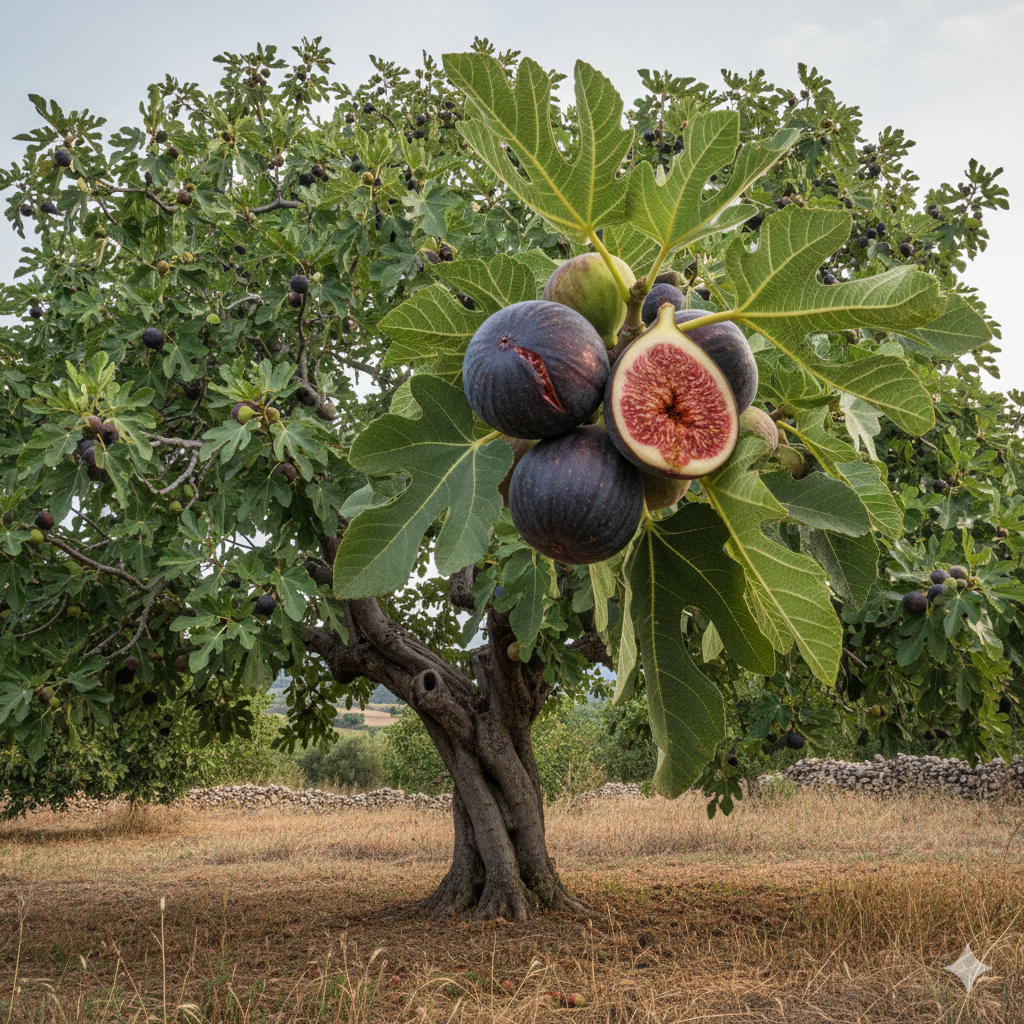
Fig trees are one of the most rewarding fruit trees you can grow at home. They’re easy to plant, simple to maintain, and incredibly generous when it comes to fruit production. Whether you’re gardening in the ground or growing in containers, proper fig tree care helps ensure healthy growth and sweet harvests year after year.
With the right location and a little attention, your fig tree can quickly become one of the most productive and attractive plants in your garden.
Why Fig Trees Are Worth Growing
Fig trees offer more than just delicious fruit. They’re fast-growing, low-maintenance, and highly adaptable to different climates. Once established, basic fig tree care is all they need to deliver heavy harvests.
Figs are naturally sweet, making them perfect for fresh eating, drying, baking, or preserving. Even better, fig trees are self-fertile, meaning you don’t need multiple trees to enjoy a full crop.
Are Fig Trees Healthy?
Absolutely. Figs are packed with fiber, antioxidants, and essential nutrients. They support digestive health, help regulate blood sugar levels, and provide a natural energy boost.
Despite their candy-like sweetness, figs are considered a nutritious fruit and are often recommended as part of a balanced diet. It’s one of those rare treats that’s both indulgent and good for you.

Best Location for Planting Fig Trees
Fig trees thrive in warm, sunny locations. For best growth and fruit production, choose a spot that receives 6–8 hours of sunlight per day.
They prefer well-draining soil and benefit from protection against extreme heat or cold. Planting near a wall, fence, or building can help regulate temperature and shield the tree from strong winds-an important part of long-term fig tree care.
Can Fig Trees Be Grown Indoors?
Yes, fig trees grow very well in containers, making them an excellent choice for patios, balconies, and homes with bright sunlight. An indoor fig tree is ideal for gardeners in colder regions who want more control over growing conditions.
When planting in a pot:
-
Choose a container twice the size of the root ball
-
Ensure proper drainage holes
-
Use well-draining potting soil
-
Water thoroughly after planting
Container-grown fig trees can be moved indoors during winter, protecting the indoor fig tree from frost damage while keeping it productive year-round.
How to Plant Fig Trees in the Ground
For outdoor planting:
-
Dig a hole two to three times wider than the root ball
-
Place the tree at the same depth it was growing previously
-
Gently loosen roots before planting
-
Backfill with soil and water deeply
Mulching around the base helps retain moisture and supports healthy fig tree care by regulating soil temperature.

Fig Tree Care Tips
Fig trees are easy to care for once established. Paying attention during the first year sets the foundation for long-term success.
How Often Should You Water Fig Trees?
Fig trees generally need 1–1.5 inches of water per week, depending on rainfall and soil type. Water more frequently during hot, dry weather, especially for young trees or an indoor fig tree grown in containers.
How to Fertilize Fig Trees
Use a balanced fertilizer such as 8-8-8 or 10-10-10, but only when needed. Overfeeding is unnecessary for proper fig tree care.
Fertilize if you notice:
-
Slow growth
-
Pale or yellowing leaves
Avoid excess nitrogen, as it can reduce fruit production.
When to Prune Fig Trees
Knowing when to prune fig trees is essential for healthy growth and better fruit quality. Pruning should be done during the dormant winter season.
-
Remove dead, damaged, or crossing branches
-
Cut off suckers growing from the base
-
Trim main branches by about one-third to encourage larger fruit
Pruning improves airflow, sunlight penetration, and overall fig tree care results.
Do Fig Trees Need Pollination?
No pollinator is needed. Most fig trees grown for home gardens are self-fertile, meaning they produce fruit on their own without another tree nearby.
When and How to Harvest Figs
Fig trees often begin producing fruit within the first few years, and grafted trees may fruit even sooner.
Figs are ready to harvest when they:
-
Soften to the touch
-
Droop downward
-
Change to their mature color
Figs do not ripen after picking, so harvest only when fully ripe. Fresh figs are best eaten immediately but can be refrigerated for a few days.

Popular Fig Tree Varieties
Black Mission Fig
A classic favorite known for its rich flavor and adaptability. Grows well in containers and is ideal for an indoor fig tree during cold months.
LSU Purple Fig
Bred for disease resistance and reliable production, this variety produces sweet fruit with minimal fig tree care and thrives in warm climates.
Chicago Hardy Fig
Exceptionally cold-hardy and capable of surviving harsh winters. Even if the tree freezes back, it often regrows and produces fruit the following season.
Conclusion
Fig trees are a perfect choice for gardeners who want beauty, flavor, and low-maintenance growing. With proper fig tree care, including correct watering, sunlight, and knowing when to prune fig trees, these versatile plants thrive in gardens and containers alike. Whether you’re growing outdoors or nurturing an indoor fig tree, figs offer long-term value and delicious harvests season after season.
For high-quality fruit trees, expert growing tips, and trusted plant varieties, explore Evergreen Trees, your reliable source for healthy and easy-to-grow plants.
FAQs
Where do fig trees grow best?
Fig trees grow best in sunny locations with well-draining soil. They perform well in gardens, patios, and containers.
How long does it take for a fig tree to bear fruit?
Most fig trees begin producing fruit within 1-3 years, depending on variety and growing conditions.
How large do fig trees grow?
Fig tree size varies by variety and pruning. Dwarf types remain compact, while larger trees can reach 15-30 feet if left unpruned.
