
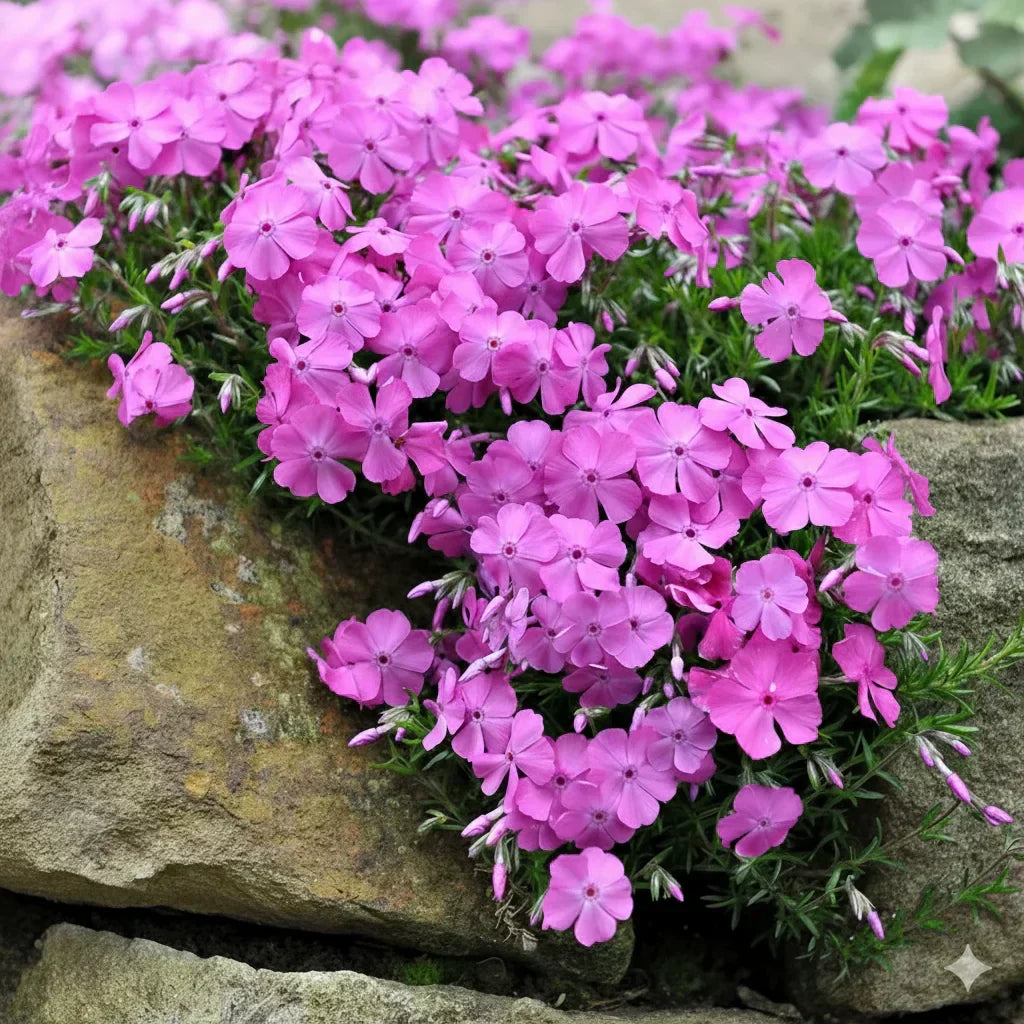
Creeping phlox is a low-growing plant that brings bright colors to your garden in spring. It spreads across the ground, making it perfect for rock gardens, slopes, or garden borders. The dense leaves help stop soil from washing away and attract pollinators like bees and butterflies. This plant is easy to grow and does not need much care once it is established. It grows best in sunny, well-drained soil and comes in colors like pink, purple, and white. By knowing how to plant and care for it, you can enjoy long-lasting blooms and a healthy, colorful garden all season.
What Is Creeping Phlox?
Creeping phlox is a short plant that spreads across the ground, creating a soft, colorful carpet in your garden. In spring, small star-shaped flowers bloom in pink, purple, blue, and white. Because it grows low and spreads outward, Creeping Phlox is perfect for covering bare soil or the edges of garden beds. This plant comes back every year and needs very little care once it is established. You can use it to fill empty spots and naturally reduce weeds. Creeping phlox is tough, handles different garden conditions well, and attracts bees and butterflies, adding life and color to your outdoor space.

Creeping Phlox Scientific Name and Types
The scientific name of creeping phlox is Phlox subulata, also called Moss Phlox, Moss Pink, or Mountain Phlox. It is a low-growing, spreading plant, perfect for ground cover and garden edges. Creeping phlox blooms in spring with small, bright star-shaped flowers, and its evergreen leaves keep your garden looking full all year.
Types of Creeping Phlox:
- Creeping Blue Phlox - Deep blue to lavender flowers create a cool, calm carpet in your garden.
- Creeping Red Phlox - Bright pinkish-red blooms attract bees and butterflies, adding a bold pop of color.
- Creeping Pink Phlox - Soft pink flowers give a delicate, cheerful touch to beds or rocky slopes.
The right type extends blooms and adds color easily. Explore our Perennials collection for hardy garden plants.
How Does Creeping Phlox Grow?
Creeping phlox is a low-growing plant that spreads across the ground, covering bare soil, slopes, and garden edges with a dense carpet. It grows sideways, stays about 4 - 6 inches tall, and can spread up to 2 feet or more. In spring, it blooms for several weeks in pink, purple, blue, and white shades, while evergreen leaves keep your garden looking full afterward. For strong, healthy growth, you can choose quality plants from Evergreen Trees.
Where and How to Plant Creeping Phlox
- Sunlight: Plant in full sun for the brightest flowers. It can grow in partial shade, but blooms may be lighter.
- Soil: Use well-drained soil like sandy or soft garden soil. Avoid heavy or waterlogged areas to prevent root problems.
- Spacing: Keep plants 12 - 18 inches apart to allow spreading and form a dense, colorful carpet.
- Planting: Dig a shallow hole, place the plant, and cover the roots with soil.
- Watering: Water regularly after planting to help the roots establish. Once settled, water only occasionally.
Tip: With the right spot and space, your creeping phlox will provide a vibrant, low-maintenance ground cover all season.
How to Care for Creeping Phlox
- Fertilizing: Apply a balanced fertilizer in early spring, but don’t overfeed, or blooms may reduce.
- Pruning: Trim the plant after flowering and remove dead stems to keep it healthy and tidy.
- Mulching: Add a light layer of mulch in winter to protect roots from frost.
- Pest and Disease Check: Look for pests or signs of disease occasionally and remove affected parts.
- General Care: Water when needed, and the plant will stay colorful, vibrant, and full all season.
Common Problems and How to Solve Them
- Insects: Watch for aphids, slugs, or other pests and remove them quickly to protect your plant.
- Fungal Diseases: Overwatering or poor drainage can cause fungal issues, so make sure the soil drains well.
- Poor Blooming: Too much shade or too much fertilizer can reduce flowers, so plant in the right spot and feed moderately.
General Tip: By keeping an eye on these factors, your creeping phlox will stay healthy, colorful, and cover your garden beautifully.
How to Propagate Creeping Phlox
- Division: Dig up established plants and separate them into smaller sections, then replant to expand your garden.
- Cuttings: Take healthy stems and place them in moist soil; they will root over time.
- Seeds: You can grow phlox from seeds, though it takes longer for the plants to bloom.
Tip: Using these simple methods, you can grow more creeping phlox and enjoy colorful, spreading flowers throughout your garden.
Creeping Phlox Bloom Time and Flower Colors
- Bloom Time: Flowers appear in spring and usually last for several weeks. Peak blooming depends on the sun and climate.
- Color Varieties: Enjoy shades of pink, purple, blue, and white. Some varieties may have striped or bi-colored petals.
- Bloom Duration: Each plant blooms for 2 - 4 weeks, creating a bright, colorful carpet effect. Evergreen leaves keep your garden full after flowers fade.
Tip: Plant in full sun and choose the right variety to enjoy longer, vibrant blooms all season.
Uses of Creeping Phlox in Garden Design
- Ground Cover: Fill bare spaces quickly with a dense, colorful carpet of flowers.
- Slopes: Plant on slopes to prevent soil erosion and add charm to uneven areas.
- Borders and Pathways: Use along garden edges to create a neat, framed look that draws attention.
- Rock Gardens: Fill gaps between stones with soft, vibrant blooms for extra color.
- Containers and Small Spaces: Grow in pots or hanging baskets for patios, decks, or small garden corners.
- Low Maintenance: Its spreading habit and easy care make your garden look full and lively with minimal effort.
Conclusion
By planting creeping phlox, you’re adding more than just color to your garden you are creating a lively, inviting space. Its low, spreading growth fills empty areas, slopes, and borders effortlessly. The star-shaped flowers attract pollinators and bring vibrant hues in spring, while evergreen foliage keeps your garden looking full all season. With simple care like trimming after blooms, occasional watering, and light fertilizing, your phlox will stay healthy and beautiful year after year. You can use it in rock gardens, containers, or as ground cover to enhance every part of your outdoor space. Each plant you add creates a more colorful, structured, and eye-catching garden. By choosing the right types and locations, you can enjoy a garden that feels vibrant, low-maintenance, and full of life.
FAQs About Creeping Phlox
1. When does creeping phlox bloom?
Creeping phlox blooms in spring, usually for 2- 4 weeks. Full sun helps it produce the brightest, most vibrant flowers.
2. How tall does creeping phlox grow?
It grows 4 - inches tall and can spread up to 2 feet, making it perfect for ground cover or garden edges.
3. Can I plant creeping phlox in containers?
Yes, you can grow it in pots or hanging baskets. Just make sure the soil drains well and the plant gets enough sun.
4. How often should I water creeping phlox?
Water regularly after planting to help roots settle. Once established, it is drought-tolerant and needs only occasional watering.
5. How do I care for creeping phlox?
Trim back after flowering to keep it tidy. Apply fertilizer in early spring and mulch lightly to protect roots in winter.
