
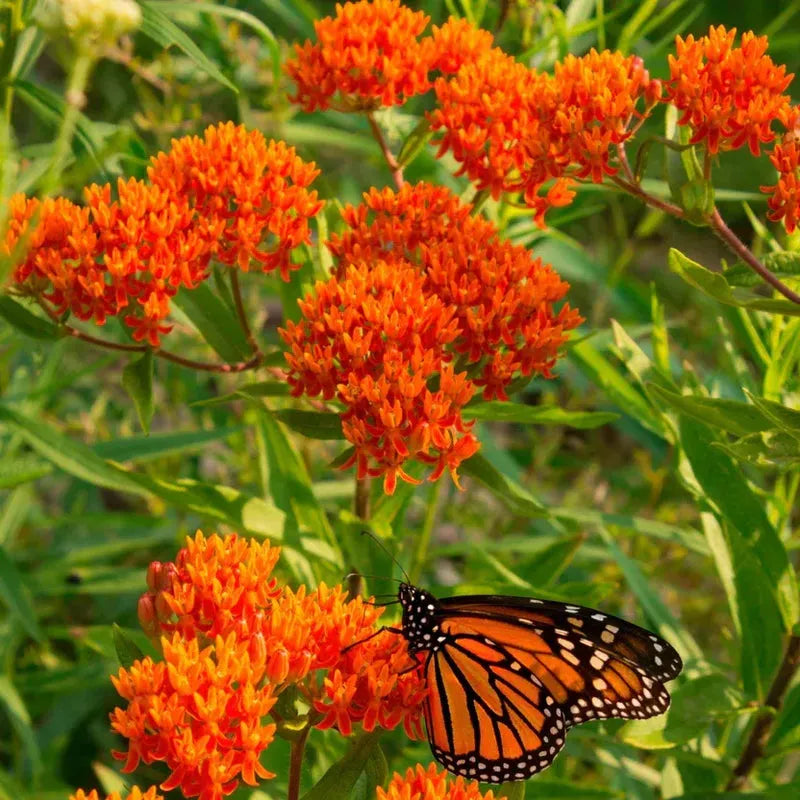
Butterfly milkweed is a bright, easy-to-grow plant that brings color and life to your garden. You grow it for its bold orange flowers that bloom in warm months and stand out beautifully in flower beds. This plant supports butterflies, especially monarchs, by giving them a place to lay eggs and feed. You will like butterfly milkweed because it handles heat, poor soil, and dry conditions well. The flowers also attract bees and other pollinators, making your garden feel active and healthy. With simple care, you can enjoy long-lasting blooms and help support butterfly populations at the same time.
What Is Butterfly Milkweed?
Butterfly milkweed is a tough flowering plant known for its bright orange blooms and pollinator support. You grow it to attract butterflies, especially monarchs, while adding bold color to sunny garden spaces. It handles heat and dry soil well, making it easy to care for.
Why Butterfly Milkweed Is Popular in Butterfly Gardens
Butterfly milkweed is popular in butterfly gardens because it attracts butterflies and supports their life cycle. You get bright orange flowers that provide nectar and a safe space for monarchs. It also grows easily in sunny spots with very little care.
What Does Butterfly Milkweed Look Like?
Butterfly milkweed has bright orange flower clusters that stand out in the garden. You see narrow green leaves growing along upright stems, giving the plant a neat and natural look. It adds bold color and texture to sunny garden spaces.

Butterfly Milkweed Flower Color, Size, and Bloom Time
- Flower Color: Bright orange
- Size: Medium, upright plant that fits well in beds and borders
- Bloom Time: Late spring through summer, providing long-lasting color
Butterfly Milkweed Scientific Name and Plant Family
- Scientific Name: Asclepias tuberosa
- Plant Family: Apocynaceae (Dogbane family)
Is Butterfly Milkweed a Perennial Plant?
Yes, butterfly milkweed is a perennial plant. You will enjoy that it comes back year after year, adding color and supporting butterflies without replanting. As part of a strong Perennial Collection, It grows strong in sunny spots and can thrive with minimal care.
Benefits of Butterfly Milkweed
- Supports Pollinators: Attracts butterflies, bees, and other pollinators to your garden
- Monarch Friendly: Provides nectar and a place for monarchs to lay eggs
- Low Maintenance: Handles heat, dry soil, and poor conditions easily
- Adds Color: Bright orange flowers create a lively and eye-catching garden display
- Natural Garden Appeal: Fits well in flower beds, borders, and wildflower landscapes
How Butterfly Milkweed Supports Monarch Butterflies
Butterfly milkweed supports monarch butterflies by providing nectar for adult butterflies and a safe place for them to lay eggs. You grow it knowing that its leaves serve as food for monarch caterpillars, helping their life cycle. This makes your garden a small but important habitat for these beautiful pollinators.

Does Butterfly Milkweed Attract Bees and Pollinators?
Yes, butterfly milkweed attracts bees and other pollinators. You will see honeybees, bumblebees, and various butterflies visiting its bright orange flowers for nectar, making your garden lively and full of activity.
Natural Habitat & Growing Conditions
Natural Habitat: Grows naturally in sunny meadows, prairies, and open fields.
Growing Conditions: Prefers full sun and well-drained soil, tolerates heat and dry conditions, and requires minimal care to thrive.
Where Butterfly Milkweed Grows Naturally
Butterfly milkweed grows naturally in sunny meadows, prairies, and open fields, mainly in North America. You will find it thriving in well-drained soil with full sun, making it easy to grow in gardens that mimic its natural habitat.
Best Climate and Hardiness Zones for Butterfly Milkweed
- Climate: Thrives in warm, sunny climates and tolerates heat and dry conditions
- Hardiness Zones: Grows well in USDA zones 3 to 9
- Sunlight: Requires full sun for best growth and flowering
- Soil: Prefers well-drained soil and can handle poor or sandy soils
How to Grow Butterfly Milkweed
Growing butterfly milkweed is easy and rewarding, adding color and supporting pollinators in your garden.
- Choose the Right Spot: Pick a sunny location with well-drained soil
- Planting: Sow seeds in spring or fall, or plant nursery-grown seedlings
- Watering: Keep soil lightly moist until established, then tolerate dry conditions
- Spacing: Plant 12 to 18 inches apart to allow room for growth
- Care: Minimal maintenance needed; remove weeds and dead flowers to encourage blooms
How to Plant Butterfly Milkweed Successfully
Planting butterfly milkweed successfully ensures healthy growth and vibrant blooms in your garden.
- Select a Sunny Spot: Choose an area that gets full sun for most of the day.
- Prepare the Soil: Use well-drained soil and remove weeds to give your plants a good start.
- Plant Seeds or Seedlings: Sow seeds in spring or fall, or plant nursery-grown seedlings for quicker results.
- Spacing: Keep plants 12 to 18 inches apart to allow room for growth.
- Watering: Water lightly until established, then the plant can tolerate dry conditions.
- Mulching: Apply a thin layer of mulch to retain moisture and reduce weeds.
Butterfly Milkweed Growth Cycle and Blooming Season
- Growth Cycle: Emerges in spring, grows steadily through summer, and dies back in fall.
- Blooming Season: Produces bright orange flowers from late spring through summer, adding long-lasting color to your garden.
- Perennial Nature: Comes back each year from its roots, reducing the need for replanting.
How to Care for Butterfly Milkweed After Planting
- Watering: Keep the soil lightly moist until plants are established, then they handle dry conditions well.
- Weeding: Remove weeds around the plants to reduce competition and help growth.
- Deadheading: Remove spent flowers to encourage more blooms and a tidy appearance.
- Pest Control: Watch for pests, though butterfly milkweed is generally resistant to most problems.
- Winter Care: The plant dies back in the fall but will return in the spring, so no special winter care is needed.
Watering, Fertilizing, and Seasonal Maintenance
- Watering: Keep soil lightly moist until established, then water only during prolonged dry spells.
- Fertilizing: Minimal fertilization is needed; a light, balanced fertilizer in spring can boost growth.
- Seasonal Maintenance: Remove weeds and dead flowers, and cut back foliage in late fall to prepare for new growth in spring.
Why Butterfly Milkweed Is Not Blooming
- Not Enough Sun: The plant needs full sun for vibrant flowers.
- Young Plants: New seedlings may take a year or two to bloom.
- Overwatering: Too much water can reduce flowering and stress the plant.
- Poor Soil Drainage: Heavy or soggy soil can prevent blooms.
- Nutrient Imbalance: Excess nitrogen can promote leaf growth but limit flowers.
Common Pests and Diseases Affecting Butterfly Milkweed
- Aphids: Small insects that feed on leaves and stems, sometimes causing sticky residue.
- Milkweed Beetles: Bright orange or red beetles that nibble on leaves but rarely harm the plant.
- Leaf Spots: Fungal infections can cause brown or black spots on leaves.
- Root Rot: Caused by poorly drained soil, leading to wilting or plant decline.
- Caterpillar Feeding: Monarch caterpillars eat leaves, but this is beneficial for butterflies and not harmful overall.
Why Monarch Butterflies Depend on Butterfly Milkweed
Monarch butterflies depend on butterfly milkweed because it is essential for their life cycle. You will see monarchs laying eggs on their leaves, giving caterpillars a safe place to grow. The leaves provide all the nutrition caterpillars need, while the bright flowers offer nectar for adult butterflies. By planting butterfly milkweed, you help sustain monarch populations and support pollinators in your garden.
Is Butterfly Milkweed Better Than Tropical Milkweed?
Butterfly milkweed is often preferred over tropical milkweed for gardens that support local butterflies. You will like it because it is native, hardy, and comes back every year without spreading aggressively. Unlike tropical milkweed, it dies back in winter, which helps prevent disease in monarchs. Its bright orange flowers and low maintenance needs make it a reliable choice for creating a healthy, pollinator-friendly garden.
Is Butterfly Milkweed Toxic to Pets or Humans?
Butterfly milkweed is slightly poisonous if eaten. You should keep pets and children from eating its leaves or flowers. Touching the plant is usually safe, but wearing gloves can protect your skin.
Is Butterfly Milkweed Safe for Home Gardens?
Yes, butterfly milkweed is safe for home gardens. You can grow it to add bright color and attract butterflies while keeping pets and children safe as long as they don’t eat the leaves or flowers.
Where to Plant Butterfly Milkweed in Your Garden
You should plant butterfly milkweed in a sunny spot with well-drained soil. It works well in flower beds, borders, or natural garden areas. Give each plant enough space to grow, and you’ll enjoy bright blooms that attract butterflies all season.
Best Companion Plants for Butterfly Milkweed
The following are the best companion plants for butterfly milkweed that you can include in your garden:
- Coneflower (Echinacea): Bright flowers that attract butterflies and bees
- Gayfeather (Liatris): Tall spikes that bring butterflies and pollinators
- Shasta Daisy: Classic white blooms that complement orange milkweed flowers
- Ironweed: Purple flowers that add contrast and attract pollinators
- Fleabane Daisy: Small daisy flowers that support butterflies and bees
- Butterfly Weed: Another milkweed variety to boost nectar sources
These plants all thrive in sunny spots with well-drained soil, just like butterfly milkweed, and help create a colorful, pollinator-friendly garden.
How to Choose Healthy Butterfly Milkweed Plants
Choosing healthy butterfly milkweed plants is key to having strong growth and vibrant blooms in your garden. Look for bright green, firm leaves without yellowing or spots, and check that the stems are upright and sturdy. If you can see the roots, they should be white and free from rot, and the plant should show fresh new shoots or buds. Make sure there are no pests, holes, or signs of disease on the leaves or stems. For convenience, you can buy healthy butterfly milkweed plants from Ever Green Trees to get started with confidence.
When Is the Best Time to Buy Butterfly Milkweed?
The best time to buy butterfly milkweed is in early spring or fall when the plant is ready to establish roots. You will get stronger growth and more blooms if you plant it during these cooler, wetter seasons.
Conclusion
Butterfly milkweed is a great choice if you want a low-maintenance plant that adds bright color and supports butterflies. You will enjoy its bold orange flowers, long blooming season, and ability to thrive in sunny, well-drained spots. It helps pollinators, attracts monarchs, and comes back year after year, making it perfect for home gardens and natural landscapes. If you want a plant that’s beautiful, beneficial, and easy to grow, butterfly milkweed is the right addition to your garden.
Frequently Asked Questions
Is Butterfly Milkweed Easy to Grow for Beginners?
Yes, butterfly milkweed is easy to grow. It handles heat and dry soil well and needs minimal care.
Does Butterfly Milkweed Come Back Every Year?
Yes, it is a perennial plant, so it comes back every year from its roots.
How Long Does Butterfly Milkweed Live?
Butterfly milkweed can live for several years, often 5 to 10 years with proper care.
Can Butterfly Milkweed Grow in Pots?
Yes, it can grow in pots as long as they have good drainage and get plenty of sunlight.
