
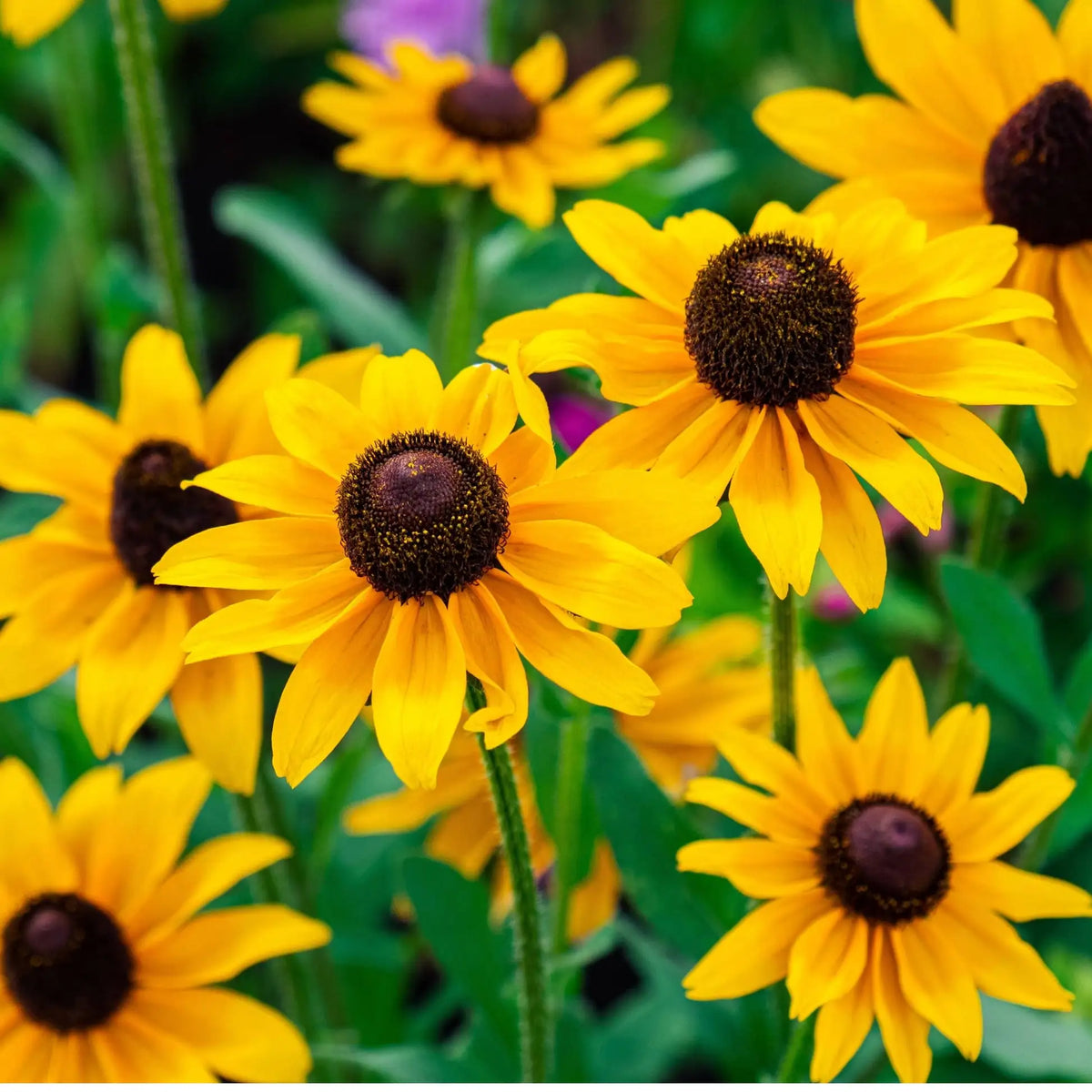
Brown Eyed Susan is a bright and cheerful plant that fills your garden with golden yellow flowers and dark centers. You grow it in full sun, where it blooms strongly from summer to fall. It handles heat well and requires minimal care once established. Water it regularly in the beginning, then allow the soil to dry slightly between waterings. You can plant it in borders, garden beds, or along walkways for a natural look. It also attracts butterflies and bees, making your garden feel active and full of life.
What Is Brown Eyed Susan?
Brown-eyed Susan is a bright yellow flower with a dark center. You grow it for bold summer color that lasts for months. It is easy to care for and grows well in full sun. The flowers also attract butterflies and bees to your garden.

History and Origins of Brown Eyed Susan
- You find Brown Eyed Susan growing naturally across North America for hundreds of years.
- Native Americans used this plant in traditional remedies.
- Over time, you started planting it in home gardens because of its strong growth and bright blooms.
- Today, you see it as a classic wildflower in natural and cottage-style landscapes.
Why It’s a Must-Have in Your Garden
You should add Brown Eyed Susan to your garden because it brings bright yellow blooms that instantly brighten any space. It is easy to grow and doesn’t need much care, making it perfect for both beginners and experienced gardeners. The flowers attract butterflies and bees, adding life and movement to your garden. With long-lasting blooms, it keeps your garden looking cheerful and fresh for months.
Decoding the Shape, Size, and Endless Bloom Cycle
- Color: Bright yellow petals with a dark brown or black center.
- Shape: Daisy-like, classic, and cheerful appearance.
- Size: Blooms measure 2 to 4 inches across.
- Stems: Grow on tall, sturdy stems that make flowers stand out in beds and borders.
- Impact: Vibrant color and medium size add bold accents to any garden space.
- Blooming Season: Flowers from early summer to late fall, adding months of bright color.
- Sunlight: Thrives best in full sun for long-lasting blooms.
- Longevity: Hardy perennial from our Perennials Collection that returns year after year.
- Care: Minimal care needed once established.
Why Brown Eyed Susan Is Great for Pollinators
- Attracts Bees: The bright yellow flowers draw bees, helping pollination in your garden.
- Butterfly Friendly: Butterflies are naturally attracted to the blooms for nectar.
- Supports Wildlife: Provides food and habitat for beneficial insects.
- Long Blooming: With flowers lasting months, pollinators have a reliable food source.
- Garden Health: Encourages a lively, active garden full of pollinating insects.
By planting Brown Eyed Susan, you create a vibrant space that supports pollinators and boosts overall garden health.
Why This Flower Is a Magnet for Bees, Soil, and Wildlife
- Attracts Bees: Bright yellow blooms draw bees, helping pollination throughout your garden.
- Supports Soil Health: Its roots help prevent erosion and improve soil structure.
- Welcomes Wildlife: Provides food and shelter for beneficial insects and small creatures.
- Long Blooming: Flowers last for months, offering a steady source of nectar.
- Eco-Friendly Garden: Encourages a thriving, balanced garden ecosystem.
This makes Brown Eyed Susan a natural choice for gardeners who want beauty and biodiversity together.
Herbal Secrets of the Brown Eyed Susan
Blue-Eyed Susan is valued for its herbal uses, supporting digestion, immunity, and soothing minor skin issues. You can grow it easily to enjoy its bright blooms and natural wellness benefits. It offers added advantages like boosting digestive and immune health and calming minor skin irritations, but should be used in moderation as overuse may cause mild stomach upset in sensitive individuals.
What Are the Most Popular Varieties of Brown Eyed Susan
The most popular Brown Eyed Susan varieties include Goldsturm, Little Goldstar, Indian Summer, Prairie Sun, and Green Eyed Lady. These options bring a mix of bright yellow blooms, unique centers, and long-lasting color to your garden, keeping it cheerful and lively all season.
Step-by-Step Planting Guide
- Choose Location: Select a sunny spot with well-draining soil.
- Prepare Hole: Dig a hole slightly larger than the plant’s root ball.
- Planting: Place the plant gently in the hole and fill it with soil.
- Watering: Water thoroughly after planting to help roots settle.
- Spacing: Keep plants 12 to 18 inches apart for proper growth.
- Mulching: Apply mulch around the base to retain moisture and control weeds.
By following these steps, your Brown Eyed Susan will establish quickly and bloom beautifully throughout the season.
Essential Care Tips for Every Season
- Spring: Apply fresh mulch and water regularly to encourage new growth.
- Summer: Ensure full sun exposure and water during dry spells to maintain vibrant blooms.
- Fall: Deadhead spent flowers and cut back stems to prepare for winter.
- Winter: Protect roots with extra mulch if in colder regions; the plant goes dormant naturally.
- General Care: Monitor for pests and provide occasional fertilizer for strong growth.
Following these seasonal tips helps your Brown Eyed Susan thrive year-round, keeping your garden colorful and lively.
Identifying and Solving Common Issues
- Pests: Watch for aphids or caterpillars and remove them manually or use mild insecticidal soap.
- Diseases: Powdery mildew or leaf spots can appear; ensure proper spacing and good air circulation.
- Wilting: Usually caused by drought; water deeply and regularly during dry periods.
- Poor Blooming: May result from too much shade or nutrient-poor soil. Provide full sun and enrich the soil with compost.
- Overcrowding: Divide plants every few years to maintain strong growth and prevent disease.
By spotting these issues early and taking simple corrective steps, you can keep your Brown Eyed Susan healthy and blooming beautifully.
What Flowers Look Best Beside Brown Eyed Susans
When you plant Brown Eyed Susans, pairing them with the right companions makes your garden more beautiful. Great options include Shasta Daisy, Butterfly Weed, Great Blue Lobelia, Yellow Coneflowers, and Purple Coneflowers. These plants complement Brown Eyed Susans and help create a lively, colorful garden from summer into fall.
Where to Buy and How to Choose Healthy Brown Eyed Susan Plants
You can buy healthy Brown Eyed Susan plants from Ever Green Trees for strong, vibrant starters. Choose plants with bright green leaves, firm stems, and no signs of pests or disease. Healthy, well-branched plants establish quickly and bloom beautifully, giving your garden a lively, long-lasting display.
Best Time to Plant Brown Eyed Susan for Maximum Blooms
The ideal time to plant Brown Eyed Susan is in early spring after the last frost or in early fall when the soil is still warm. Planting during these times helps the roots establish quickly, leading to stronger growth and more abundant blooms. Choosing the right season ensures your garden will be full of vibrant flowers throughout the summer and into early fall.
Conclusion
If you want a garden full of cheerful, long-lasting blooms with minimal care, Brown Eyed Susan is an excellent choice. Its bright flowers attract butterflies and pollinators, while its hardy nature makes it easy to grow for beginners and experienced gardeners alike. Adding this plant will bring vibrant color, life, and charm to your garden all season long. You can purchase healthy plants from Ever Green Trees to get started and enjoy a thriving, colorful garden.
FAQs
Is Brown Eyed Susan Easy to Grow for Beginners?
Yes, Brown Eyed Susan is easy to grow for beginners. It thrives in full sun with well-draining soil and needs minimal care.
Does It Come Back Every Year?
Yes, Brown Eyed Susan is a hardy perennial and comes back every year, providing consistent blooms in your garden.
Can Brown Eyed Susan Grow in Shade or Containers?
Brown Eyed Susan prefers full sun but can tolerate light shade. It also grows well in containers with good drainage.
Is It Safe Around Pets and Children?
Yes, Brown Eyed Susan is non-toxic and safe to have around pets and children.
Why Brown Eyed Susan May Not Bloom
Brown Eyed Susan may not bloom if it gets too much shade, suffers from poor soil, or hasn’t been properly deadheaded and cared for.
