
You can make your backyard lively and full of life by planting flowers that attract bees and butterflies. These little visitors bring color, movement, and energy to your garden, making it feel vibrant and active. When you plant the right flowers, you help nature while also enjoying a healthier garden. Bees and butterflies look for bright flowers with nectar and safe spots to rest. Even a small garden can support them if you plant carefully. By adding pollinator-friendly flowers, you create a garden that feels alive, welcoming, and full of natural beauty all season long. You can also combine these flowers with Evergreen Trees to create a garden that stays beautiful year-round.
Why Pollinators Are Important
You can think of bees and butterflies as tiny but powerful helpers in your garden. When you watch them move from flower to flower, they carry pollen, helping your plants grow and produce fruits, vegetables, and seeds. Without them, many of your favorite flowers and foods would struggle to survive.
By welcoming pollinators, you’re supporting the natural balance in your backyard. They keep your plants healthy, flowers blooming, and your garden buzzing with life for you to enjoy every day.
How Flowers Help Bees and Butterflies
You can help bees and butterflies thrive in your garden in many ways simply by planting the right flowers:
- Provide Food: When you plant flowers with nectar and pollen, you give bees and butterflies the energy they need to fly, explore, and stay active.
- Offer Safe Resting Spots: Some flowers and leafy plants give them cozy places to rest, hide, and feel safe in your garden.
- Make Flowers Easy to Find: Bright colors and sweet scents guide them straight to the food they need.
- Keep Them Healthy: Choosing good, nutrient-rich flowers helps bees and butterflies stay strong, grow, and even raise their young.
- Encourage Visits All Season: By planting a variety of flowers that bloom at different times, you ensure pollinators keep coming back to your garden all year.
Why Bees and Butterflies Are Attracted to Flowers
Bees and butterflies visit your garden mainly for food and comfort. Flowers provide nectar and pollen, which give them the energy to fly and explore, and the nutrients they need to stay strong and healthy.
It’s not just food that attracts them. Bright colors, pleasant scents, and the shape of flowers guide them to the best blooms. Wide, open petals make it easy to land and feed, while fragrant flowers act like a natural signpost. By planting a variety of colorful and scented flowers, you create a garden full of life and movement. For more ideas on flowers that bees and butterflies love, take a look at our pollinator-friendly plants guide.
Top Flowers That Attract Bees and Butterflies
Milkweed
Milkweed is a favorite for monarch butterflies. These flowers provide nectar and are the main food source for monarch caterpillars. By planting Milkweed, you help these butterflies survive and thrive in your garden.

Trumpet Vine
Trumpet vine brings bright color and attracts hummingbirds, bees, and other pollinators. Its trumpet-shaped blooms provide plenty of nectar, making your garden lively and full of movement.

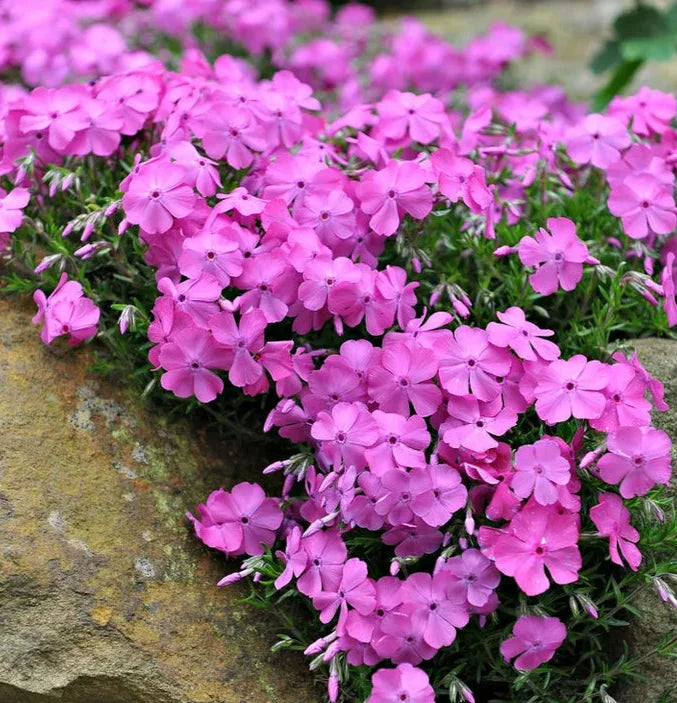
Creeping Phlox
Creeping phlox blooms early in spring, giving bees and butterflies a food source when other plants are scarce. Its colorful carpets add life to your garden and help pollinators start their season strong.

If you want to explore more about Creeping Phlox and how to grow it successfully, read our related article: Creeping Phlox: Guide to Growing, Caring & Blooming Beautiful Spring Flowers
Best Flower Colors for Bees and Butterflies
You can make your garden more inviting for bees and butterflies by choosing the right flower colors. Purple, blue, yellow, and pink are some of their favorites. When you plant flowers in these shades, pollinators can spot them easily and know where to find nectar and pollen.
Colors don’t just catch their attention - they guide them to the best spots to feed. By adding bright, contrasting blooms to your garden, you create a space that is full of life, movement, and color, and your garden will thank you with buzzing bees and fluttering butterflies.
When to Plant Flowers for Pollinators
You’ll get the best results if you plan when to plant your pollinator-friendly flowers. Spring planting gives bees and butterflies an early source of food, helping them start their season strong. Summer planting ensures there’s still plenty of nectar and pollen when the weather gets warmer, and some flowers from spring are fading.
You can also create a garden that blooms continuously throughout the year by choosing a mix of flowers that bloom at different times. Including plants from your perennials ensures pollinators keep coming back to your garden season after season, making your backyard lively, colorful, and full of activity all year long.
How to Create a Pollinator-Friendly Backyard
- Group Planting: Plant flowers in clusters rather than scattering them. When you group blooms, pollinators can find and feed from them more easily, making your garden a favorite stop.
- Avoid Pesticides: Try to stay away from chemical sprays. Pesticides can harm bees, butterflies, and other helpful insects, so using natural methods keeps your garden safe and healthy.
- Provide Water Sources: Pollinators need water, too! A shallow dish with water or a small birdbath gives them a place to drink and stay hydrated while they visit your flowers.
Common Mistakes That Keep Bees and Butterflies Away
- Using Chemical Sprays: Spraying pesticides or other chemicals can harm pollinators and keep them away. Stick to natural solutions to protect your garden visitors.
- Planting Non-Flowering Plants: Pollinators are looking for nectar and pollen. If your garden only has leaves or non-flowering plants, they won’t have anything to eat.
- Lack of Sunlight: Bees and butterflies love sunny spots. Shady gardens make it harder for them to find flowers and stay active. Make sure your pollinator-friendly plants get enough sun.
Who Should Grow Pollinator-Friendly Flowers
You don’t need a huge garden to make a difference. Home gardeners can welcome bees and butterflies by planting a few nectar-rich flowers.
Even if you’re a beginner, you can easily create a pollinator-friendly space. Simple plants and basic care are enough to attract pollinators and enjoy a lively garden.
If you have a small backyard, don’t worry - you can still grow flowers that support pollinators. Even a few pots or a small flower bed can become a buzzing, colorful haven for bees and butterflies.
Conclusion
By planting pollinator-friendly flowers, you’re doing more than just creating a beautiful garden - you’re supporting bees, butterflies, and other helpful insects that keep your backyard alive and healthy. These flowers provide food, shelter, and safe spaces, helping pollinators thrive while keeping your garden vibrant and full of color.
When you make your garden welcoming for pollinators, you’re also encouraging biodiversity. You give different plants and animals a chance to flourish, creating a balanced, lively, and natural ecosystem right in your own backyard. Your simple choices can make a big difference for nature, one flower at a time.
FAQs About Flowers for Bees and Butterflies
Which flowers attract butterflies the most?
You’ll notice that butterflies love flowers with bright colors and lots of nectar. Plants like milkweed, zinnias, and butterfly bush are some of their favorites. By planting these, you make your garden a welcoming spot for them.
Do bees prefer certain colors?
Yes! Bees are especially drawn to purple, blue, yellow, and pink flowers. When you choose blooms in these colors, it’s easier for bees to find nectar and pollen in your garden.
Can pollinator flowers grow in pots?
Absolutely! Even if your space is small, you can grow pollinator-friendly flowers in pots or containers. Just make sure they get enough sunlight, water, and room to grow, and your garden can still be buzzing with bees and butterflies.
